
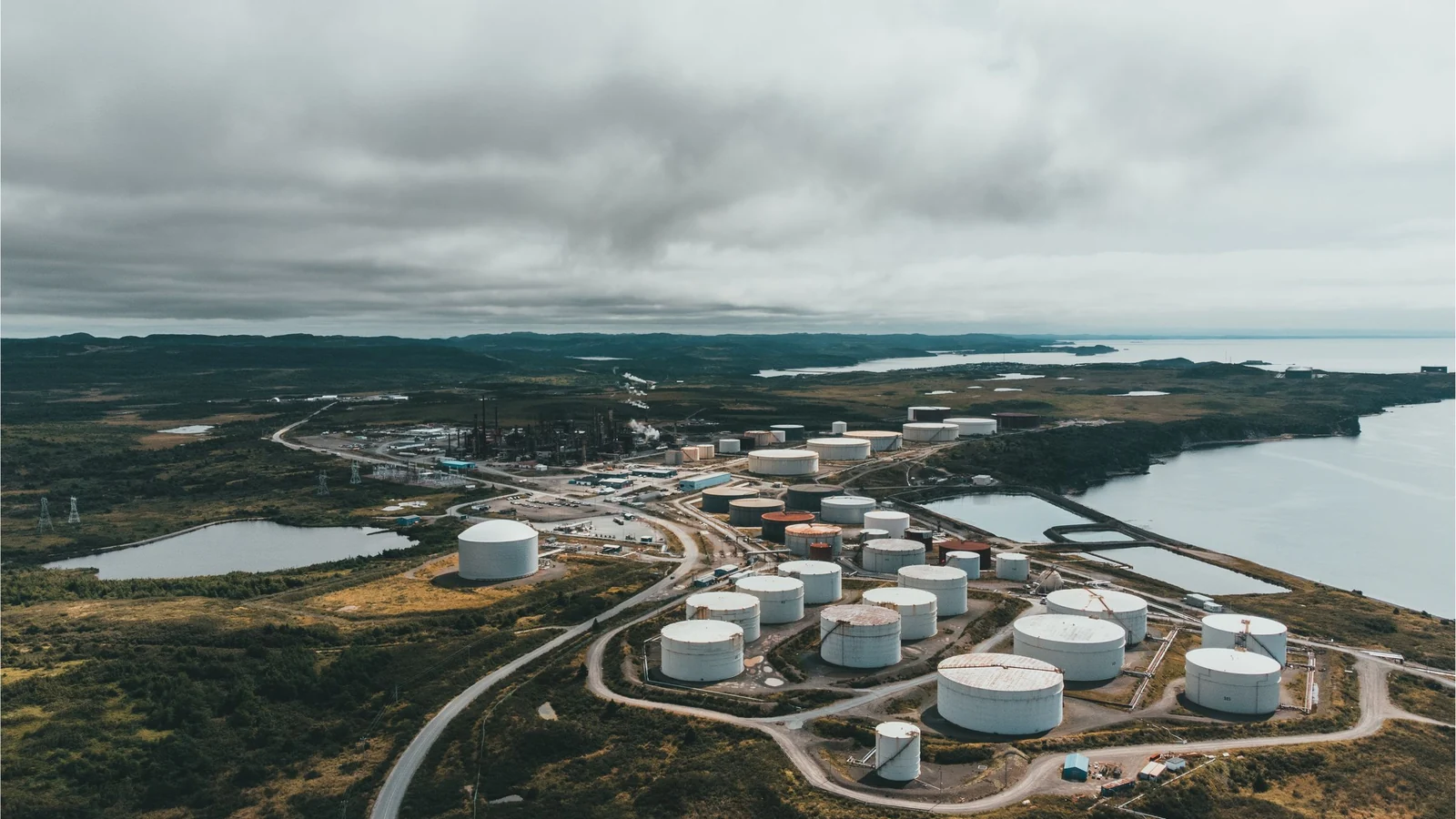
Global commodity prices are forecast to rise 23% in 2026 as energy disruptions and tighter supplies reach food and industrial markets, according to the World Bank. The bank expects prices to ease next year, but warns that further shocks could keep costs elevated.
The October Commodity Markets Outlook puts energy at the center of the increase. Its energy price index is projected to rise 32% in 2026 after three years of declines. Food commodity prices are expected to rise about 10% this year and another 7% in 2027.
Those are forecasts for broad commodity indexes, not predictions that every household grocery bill or company input cost will rise by the same amount. Local currencies, contracts, transport, taxes and competition all affect the final price.
Oil inventories leave less room for disruption
The World Bank expects Brent crude, an international oil benchmark, to average $91 a barrel in 2026, compared with $69 in 2025. Its baseline forecast then falls to $79 in 2027.
Global oil supply is projected to decline 5.2% in 2026, while consumption falls 2.5%. The bank says production remains below consumption, requiring further withdrawals from stocks. Smaller inventories leave less of a buffer if another supply interruption occurs.
For a manufacturer or distributor, the connection to oil can extend well beyond fuel bills. Transport providers may adjust surcharges, while suppliers that rely on petroleum-based materials or energy-intensive processes may seek higher prices. How quickly those increases reach a buyer depends on the contract and the supplier’s ability to absorb costs.
Food and fertilizer costs are connected
The bank forecasts an 18% cumulative rise in food commodity prices over 2026 and 2027. It cites disrupted grain shipments, the possibility of El Niño affecting harvests, and higher fuel and fertilizer costs.
Fertilizer prices are expected to rise 14% in 2026 before returning to their 2025 level in 2027, under the baseline. Farms that buy fertilizer at a seasonal peak may face a different experience from the annual average in the forecast.
Food companies also face risks in moving products after harvest. Our earlier reporting on a Swedish food-network simulation showed how disruption at farms can affect communities far from the initial damage. The Swedish results were modeled scenarios, not observed national shortages.
Retail prices do not mechanically follow a commodity index. Processing, packaging, wages and distribution make up part of the price consumers pay, while purchasing agreements can delay a change in input costs.
Metals and a more severe scenario
Industrial metal prices are projected to rise 25% in 2026 and fall 3% in 2027. The World Bank attributes the projected increase to demand associated with renewable energy, electric vehicles and data centers, alongside supply disruptions.
The bank’s baseline assumes no major intensification of conflicts affecting commodity supplies. In a separate adverse scenario, more severe energy disruptions, attacks on Black Sea grain shipments and a very strong El Niño could push Brent to an average $105 a barrel in 2027. Food commodity prices would be 12% above the baseline forecast.
That scenario is a conditional calculation, not the central prediction. Companies exposed to fuel, grain or metals can use the distinction to compare budgets under several cost assumptions instead of treating a single forecast as a fixed future price.
The report also finds that links among commodity-price movements become stronger during periods of stress. A business buying several inputs may find that apparently separate cost risks move together when energy or transport systems are disrupted.
