
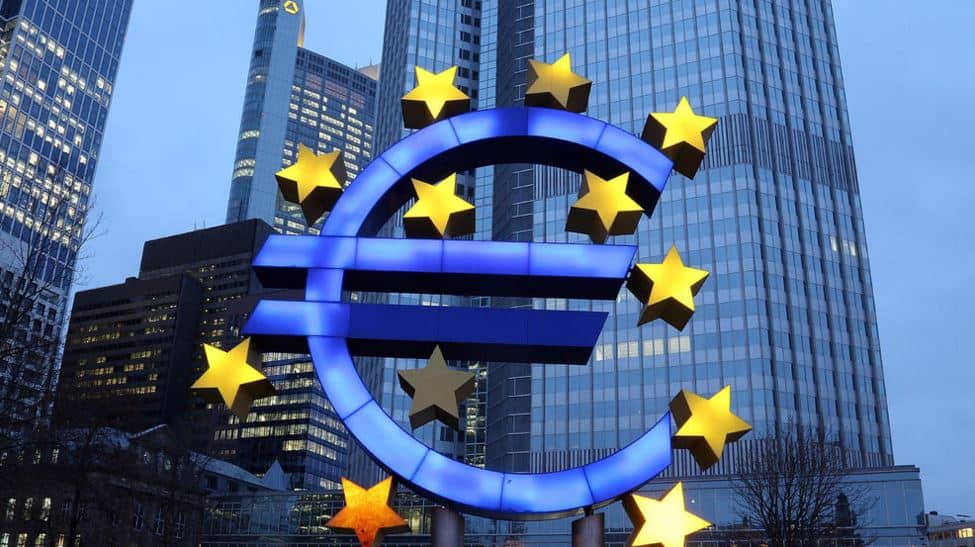
European Central Bank

Eurozone unemployment rate dropped to 9.1% in June

Written by Joseph Nordqvist

Published: 23:40, July 31, 2017

Unemployment in the eurozone dropped to 9.1% in June, the lowest level since 2009, according to official data from Eurostat.

The jobless rate was better than what financial analysts had expected.

The unemployment rate dropped across all 19 eurozone members except Estonia.
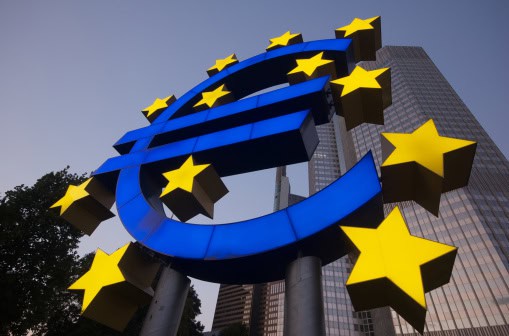
European Central Bank, Frankfurt

The countries with the lowest unemployment rates in June were Germany and Malta (with a jobless rate of 3.8% and 4.1% respectively).

Greece had the highest rate of unemployment, at 21.7%, followed by Spain. The unemployment rate in Spain was 17.1%, down from 19.9% last year.

In Italy unemployment fell to 11.1% in June from 11.3% in May.

Eurostat estimated that inflation remained unchanged at 1.3%, in line with what economists polled by Reuters had forecast, but still below the European Central Bank’s target of 2% inflation

Core inflation, which excludes volatile food and energy prices, increased from 1.2% in June to 1.3% in July – analysts had forecast core inflation to drop to 1.1%.

The fresh data shows signs of economic recovery, fueling speculation that the ECB might begin to cut back on its 2.3 trillion euros ($2.70 trillion) quantitative easing (QE) programme.

Morgan Stanley economist Daniele Antonucci was quoted by the BBC as saying:

Today’s upside surprise in core inflation is likely to give the ECB some comfort, even though its level remains low.

“We expect a QE tapering announcement this autumn.”

The Eurostat data comes after a separate report by the International Monetary Fund (IMF) which said that while the eurozone economy was strengthening, there could be instability due to Brexit and low inflation rates.

Joseph Nordqvist Avatar

Other News

Why the way unit prices are shown can change how shoppers judge a deal

Nov 16, 2026

Why the weather can affect ratings of cold-weather gear

Nov 15, 2026

Seeing a purchase as part of a collection can change the shopping experience

Nov 15, 2026

Retail app ads may influence what customers do after installation

Nov 15, 2026

A bank tested AI customer twins for marketing, with mixed lessons for businesses

Nov 15, 2026

What makes a product vintage, and why the distinction matters to retailers

Nov 15, 2026

EU business social media use rises, but a gap remains by company size

Nov 15, 2026

Why startups may benefit from testing locally before expanding abroad

Nov 14, 2026

Novel product ideas can be harder to try but more rewarding afterward

Nov 14, 2026

What is in an online cart can influence whether shoppers check out

Nov 14, 2026

Subscription plans can miss customers who would save money, Lyft research finds

Nov 14, 2026

Workers with worse shifts than their colleagues were more likely to leave, restaurant study finds

Nov 14, 2026

More product options do not always reach more customers, cosmetics study finds

Nov 14, 2026

EU household spending grew in 2025 as communication purchases led gains

Nov 13, 2026

Ad experiments can help predict which campaigns drive additional sales

Nov 13, 2026

Browser choice screens lifted Firefox usage in Europe, researchers find

Nov 13, 2026

Online product rankings can cut shipping costs without reducing sales, experiment finds

Nov 13, 2026

Large companies lead EU service exports, but smaller firms dominate in some markets

Nov 13, 2026

Cart reminder timing is linked to different shopper responses

Nov 12, 2026

AI labels changed how consumers judged food images in three experiments

Nov 12, 2026