
The European Commission has approved two French schemes with a combined maximum budget of €40.5 million to help transport, farming, fishing and aquaculture businesses affected by higher fuel prices.
The support will take the form of state-guaranteed loans at a fixed interest rate of 3.8%. Eligible companies will be able to borrow between €5,000 and €50,000 for up to three years, with principal repayments deferred for 12 months.
In its 9 October announcement, the Commission allocated €23.3 million to the transport scheme and €17.2 million to agriculture, fisheries and aquaculture. Companies must spend at least 5% of their annual turnover on fuel to qualify.
The support provides borrowing rather than grants
A soft loan provides finance on favourable terms. Borrowers still have to repay the money, and a state guarantee protects the lender under the agreed conditions. It does not remove the business’s repayment obligation.
The initial deferral concerns principal, the amount borrowed. The announcement does not describe the first year as an interest-free period.
For a company facing a sudden increase in operating costs, finance can help cover the interval between paying suppliers and collecting revenue. A loan spreads that pressure over time, but it also creates future repayments.
Borrowing will be less helpful where a business cannot earn enough over the loan period to service its debt. The Commission’s approval establishes that France can provide the support under EU rules; it does not show how many businesses will receive loans or whether lending has begun.
A temporary framework for exposed sectors
The schemes were approved under the Middle East Crisis Temporary State Aid Framework, adopted on 29 April 2026. The framework runs until 31 December 2026.
It allows member states to assist specified sectors exposed to higher fuel and fertiliser costs. Its wider provisions include support based on verified additional expenditure or relevant estimates. These are options available under the framework, not extra payments automatically included in the French loans.
Fuel pressure extends beyond the companies buying it. We reported previously on how the energy shock can feed into transport and production prices. Whether a business passes costs to customers depends on its contracts, competition and ability to absorb them.
The Commission found the French measures necessary, appropriate and proportionate under state aid rules, which govern public support that could affect competition in the single market.
Non-confidential decisions will be published in the Commission’s state aid register under cases SA.124159 and SA.124290 once confidentiality issues are resolved. Those decisions will provide the fuller legal detail behind the approved schemes.
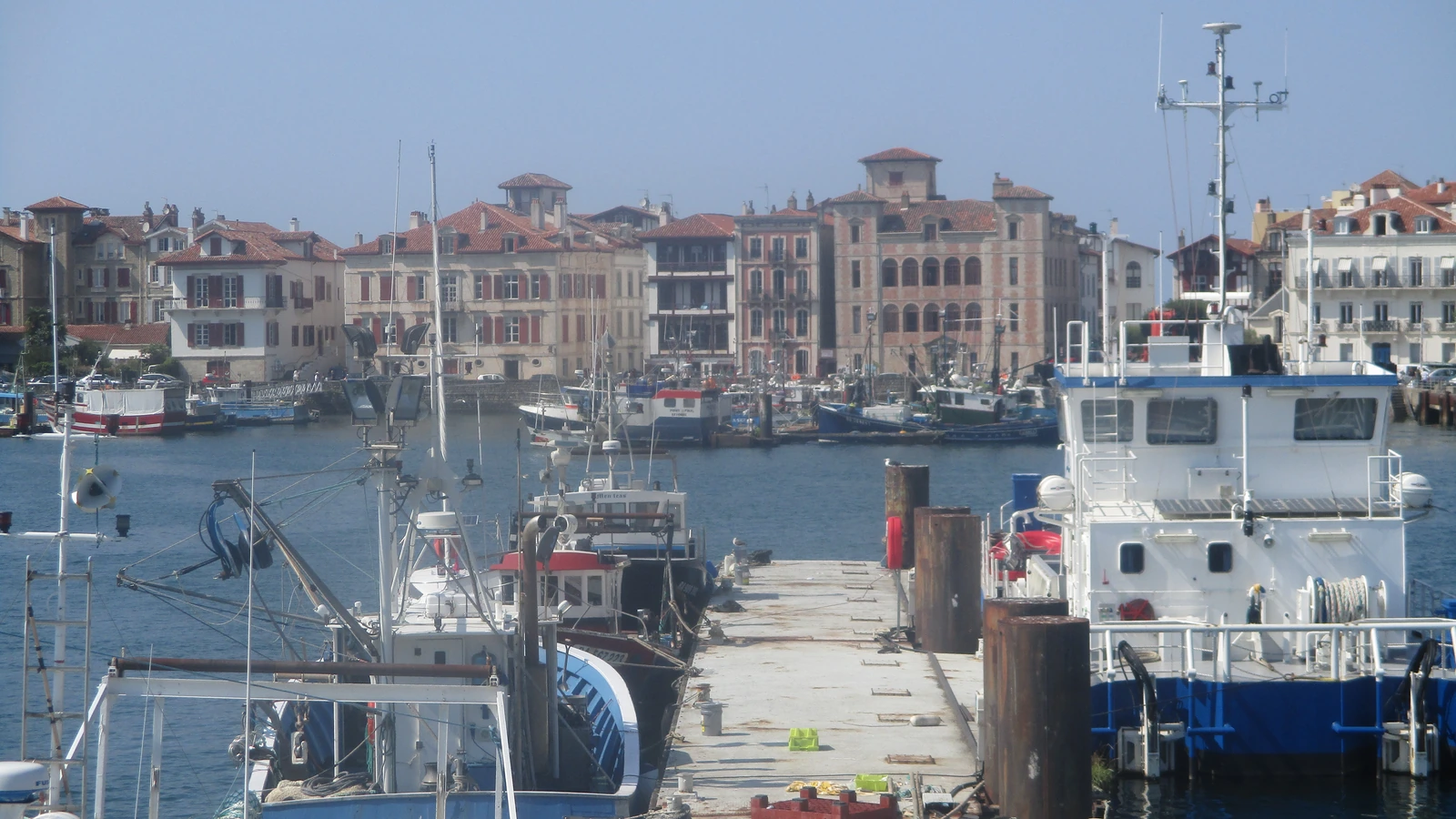
Cover: Fishing boats at Saint-Jean-de-Luz, France, photographed in 2018. Representative image; no vessel is identified as a recipient of the new loans. Photographs: Thomon. Source (CC BY-SA 4.0). Cropped by Market Business News. Adapted image licensed CC BY-SA 4.0.
