
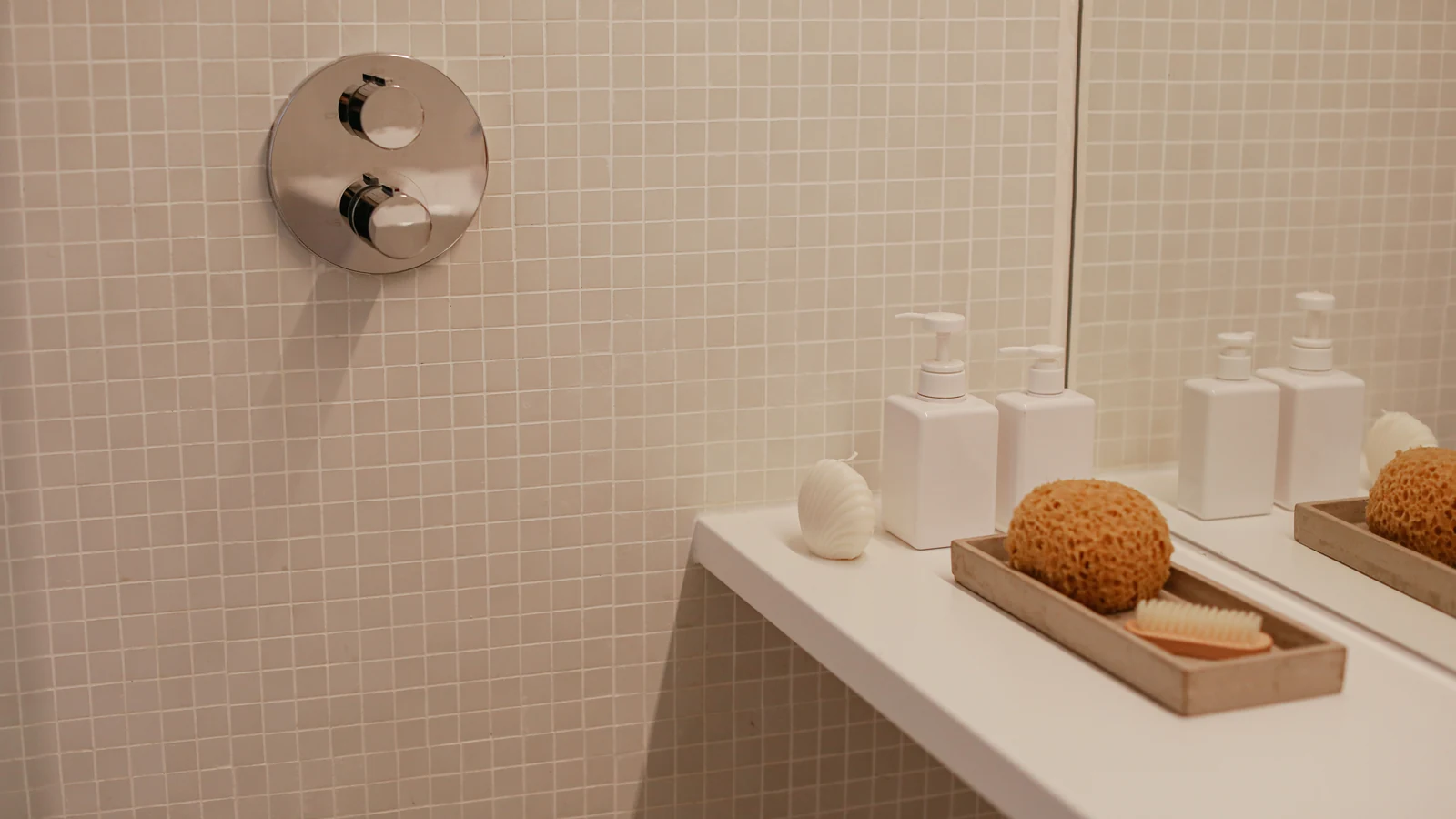
Consumers can judge a business as greener when it adds eco-friendly products, even when providing fewer items would avoid waste, according to research publicised by the University of Bath this month.
The finding presents a marketing problem for hotels, event organisers and retailers: a visible extra can receive more credit than an unnecessary product that is no longer supplied.
The peer-reviewed study, published on September 10 in the Journal of the Academy of Marketing Science, describes the pattern as the “sustainable additive bias”. It brings together nine studies, including online research, a laboratory experiment and a hotel field experiment.
A hotel trial compared products and waste
The field experiment involved 302 guests at a four-star hotel in a European city in April 2025. Researchers used 97 rooms with different amenity arrangements, including a broader eco-friendly selection, a smaller selection and the hotel’s conventional provision.
Guests allocated to the smaller selection could request additional amenities at reception. Housekeeping weighed room waste, and guests completed a questionnaire when checking out.
The broader eco-friendly selection received higher sustainability ratings. It also produced a higher waste-to-items-provided ratio than the smaller selection. The calculation compared waste weight with the weight of items supplied; it was not a complete assessment of manufacturing emissions or the carbon footprint of a hotel stay.
A single hotel cannot establish how every guest or hotel market would respond. The wider set of experiments examined whether the pattern also appeared in other settings.
Customers notice what a company adds
The university’s October 14 account, updated on October 21, says visible additions can signal environmental effort. Customers may fail to recognise the resources saved by something absent from an offering.
“An extra product does not become sustainable simply because it carries an eco-friendly label,” said Bath School of Management researcher Diletta Acuti.
The authors suggest explaining why unnecessary items have been removed and retaining recognisable signals, such as refillable dispensers. A reduction that looks like a cut in service may otherwise receive little environmental credit.
Recognition and environmental performance still require different evidence. A reusable item may replace many disposable ones, or become another object that is rarely used. Its material, manufacturing requirements and actual use affect the result.
Our earlier coverage of packaging substitutions and carbon emissions examined a related problem: the material that appears greener does not automatically have the lowest impact over its life cycle.
Explain the saving and substantiate the claim
The UK Competition and Markets Authority’s Green Claims Code guidance says environmental claims should be accurate, clear and supported by evidence. Comparisons should be fair, and businesses should consider the full life cycle of the product or service.
For a hotel removing an amenity, that means identifying what was removed and the saving being claimed. Providing an item on request is different from withdrawing it entirely. A reduction in packaging weight is different from a measured reduction in carbon emissions.
Guest satisfaction scores can show whether people accept a revised service. Procurement and waste records show different outcomes. Using a favourable customer rating as proof of a lower environmental footprint would confuse those measures.
The research leaves businesses with two jobs: reduce unnecessary resource use, and explain that reduction clearly enough for customers to recognise it.
