
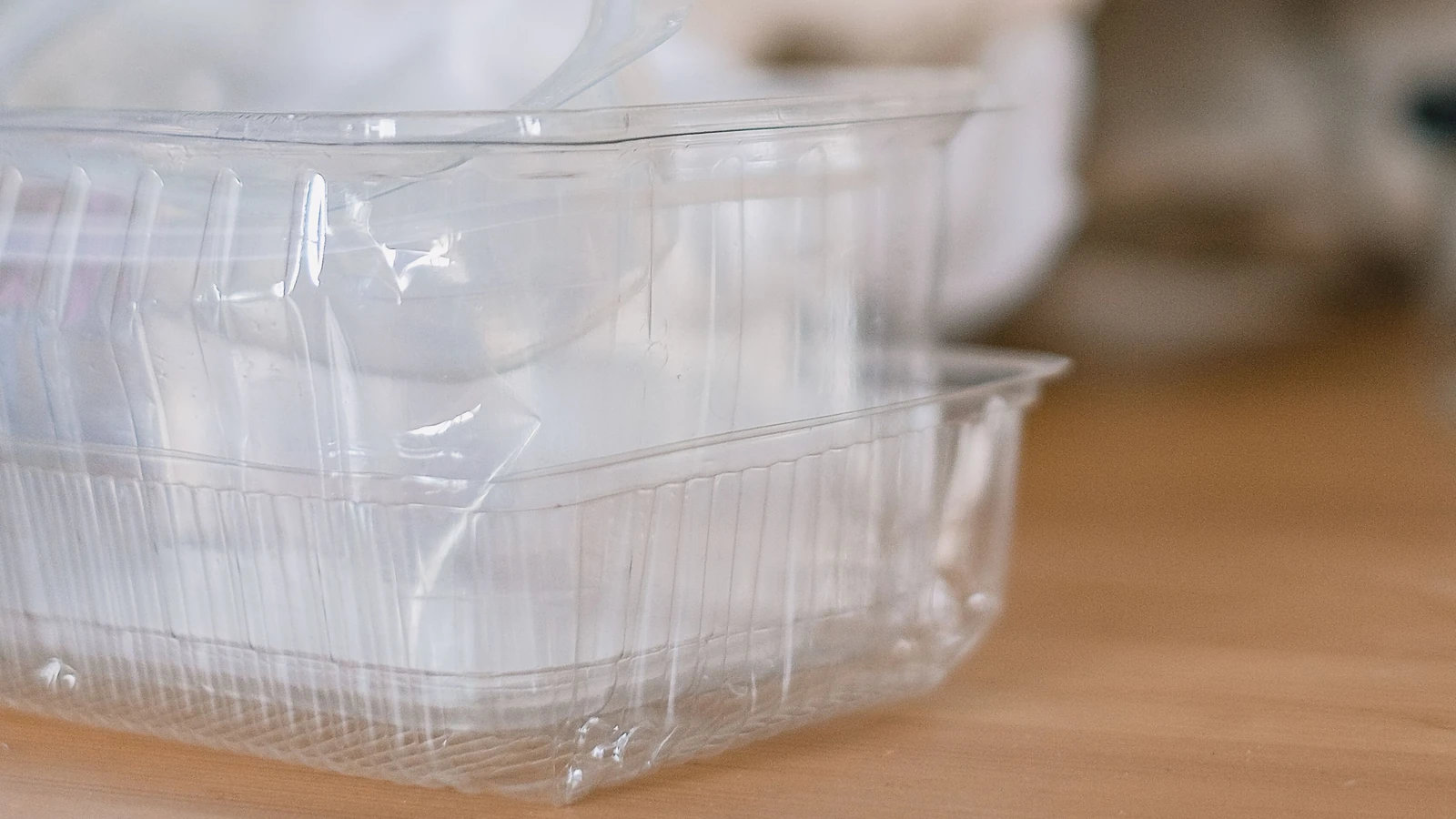
A European study found that polyethylene packaging had a lower estimated climate impact than paper, glass or metal alternatives in 34 of 50 comparisons. For businesses redesigning their packaging, the results show why removing plastic does not automatically reduce greenhouse gas emissions.
The 2025 study in Cleaner Environmental Systems examined 37 packaged products and 92 packaging formats across five applications. These ranged from pallet wrapping and heavy-duty sacks to rigid nonfood containers and flexible food packaging.
It assessed single-use packages, using samples obtained mainly in Austria and Germany. Reusable packaging and changes in product losses were outside its scope.
The research was supported by Exxon Mobil Corporation or its affiliates. Three coauthors were employees of the company or its affiliates, alongside researchers from Circular Analytics and Michigan State University. ExxonMobil’s commercial interests in plastics make that disclosure relevant when evaluating the results.
What is a life cycle assessment?
A life cycle assessment, or LCA, estimates environmental impacts across specified stages of a product’s existence. For packaging, those stages can include extracting raw materials, manufacturing, transportation and treatment after disposal.
Assessments can examine several effects, including greenhouse gas emissions, water scarcity and fossil resource use. Their conclusions depend on the boundaries chosen and the service being compared.
Comparing one kilogram of plastic with one kilogram of glass may say little about a real packaging decision if different amounts are needed to protect the same product. A better comparison considers packages performing an equivalent function.
Climate impacts are commonly expressed as carbon dioxide equivalent, which combines the warming effects of different greenhouse gases into one measure. It does not measure litter or every other environmental harm.
Paper performed better in some applications
Polyethylene, often shortened to PE, is used in films, bags, wraps and containers. In the study, PE packaging had a lower estimated global warming impact in all 15 comparisons with glass, steel and aluminum.
The paper and paper-based comparisons were more mixed. PE performed better in 19 of 35 cases, while paper-based alternatives performed better in 13. Three comparisons differed by less than 10%, which the authors treated as too close to call.
That 10% threshold was a rule adopted by the researchers, not a statistically established confidence interval. The paper acknowledges that more detailed uncertainty analysis would strengthen future comparisons.
Heavy-duty sacks provide an example of paper’s potential advantages. Paper and paper-based sacks had lower estimated climate impacts in four of six comparisons. Some of these packages included plastic liners, illustrating why a material label alone does not describe the entire package.
Weight changes the manufacturing and delivery calculation
Many PE packages use little material. A replacement must still provide the required strength, moisture protection and containment, potentially requiring more weight.
Among the flexible food packages studied, glass alternatives weighed 10 to 53 times as much as the PE formats. More material can increase manufacturing requirements and the weight transported, although the outcome depends on production methods, distances and waste treatment.
The researchers also modeled European replacement scenarios using packaging sales data for 2023. Their estimates put material requirements at 16.70 million to 19.97 million metric tons for alternatives, compared with a PE baseline of 4.85 million metric tons.
Estimated annual climate impacts increased from 17.5 million metric tons of carbon dioxide equivalent to between 24.5 million and 28.7 million metric tons in those scenarios.
These figures describe modeled substitutions, not an emissions increase that has already occurred. They assume the selected alternatives can provide equivalent packaging functions. They are not a forecast that every European business switching materials will produce the same result.
A lower carbon footprint leaves other questions open
The same paper did not find that PE consistently performed better on every environmental measure. It had lower fossil resource use in 23 comparisons and higher use in 24, with three falling within the researchers’ 10% threshold.
The study also excluded plastic litter, marine debris and biodiversity loss. It used end-of-life waste-management rates from 2018, so newer collection and recycling arrangements could affect the estimates.
Product protection is another missing element. A package that reduces its own emissions but allows more food to spoil may deliver a worse result for the combined product and packaging. Breakage, shelf life and how easily consumers can empty a container also need consideration.
Reusable glass presents a separate calculation from single-use glass. Its production footprint can be spread over repeated trips, while collection distances, washing energy, breakage and the number of successful reuses affect the outcome.
The United Nations Environment Programme’s life cycle work encourages replacing disposable products with effective reuse systems, rather than relying solely on substitution between single-use materials.
Research does not provide a universal material ranking
A review published in Cleaner Waste Systems in June 2026 examined 51 food-packaging articles published between 2018 and 2025. Forty reported research results and 11 reviewed previous studies.
Authors Aliz Vuk and Andrea Bauerné Gáthy found substantial differences in system boundaries and comparison units. Some assessments compared the packaging needed for a quantity of food; others compared containers or quantities of packaging material.
Those differences prevented a simple ranking of materials across the studies. The review also identified cases where reusable or recycled packaging performed better.
European rules make evidence more valuable to buyers
The EU’s Packaging and Packaging Waste Regulation generally began applying on August 12, 2026. It covers packaging regardless of material and includes requirements addressing waste prevention, recyclability, recycled content and reuse, with major measures phased in over later years.
Restrictions on certain single-use plastic packaging formats are due from 2030. The rules are not a general instruction to replace plastic with paper or glass.
Our earlier coverage of microplastics and business compliance examines another concern that a carbon comparison alone cannot resolve.
For packaging buyers, the starting point is the job the package must do. Suppliers should provide its full material composition, weight, recycled content and evidence about protection and recovery in the markets where it will be sold.
Businesses should compare their actual manufacturing and delivery arrangements, not assume that a recycling symbol guarantees local recycling or that a reusable container will complete enough return trips.
A defensible purchasing decision needs evidence for both the environmental claim and the operating system behind it: how much packaging is used, whether the product reaches the customer intact, and what happens to the package afterward.
