
human-driver-car

Human drivers more likely to be blamed than autonomous vehicles when both make mistakes

Written by Joseph Nordqvist

Published: 21:39, October 28, 2019

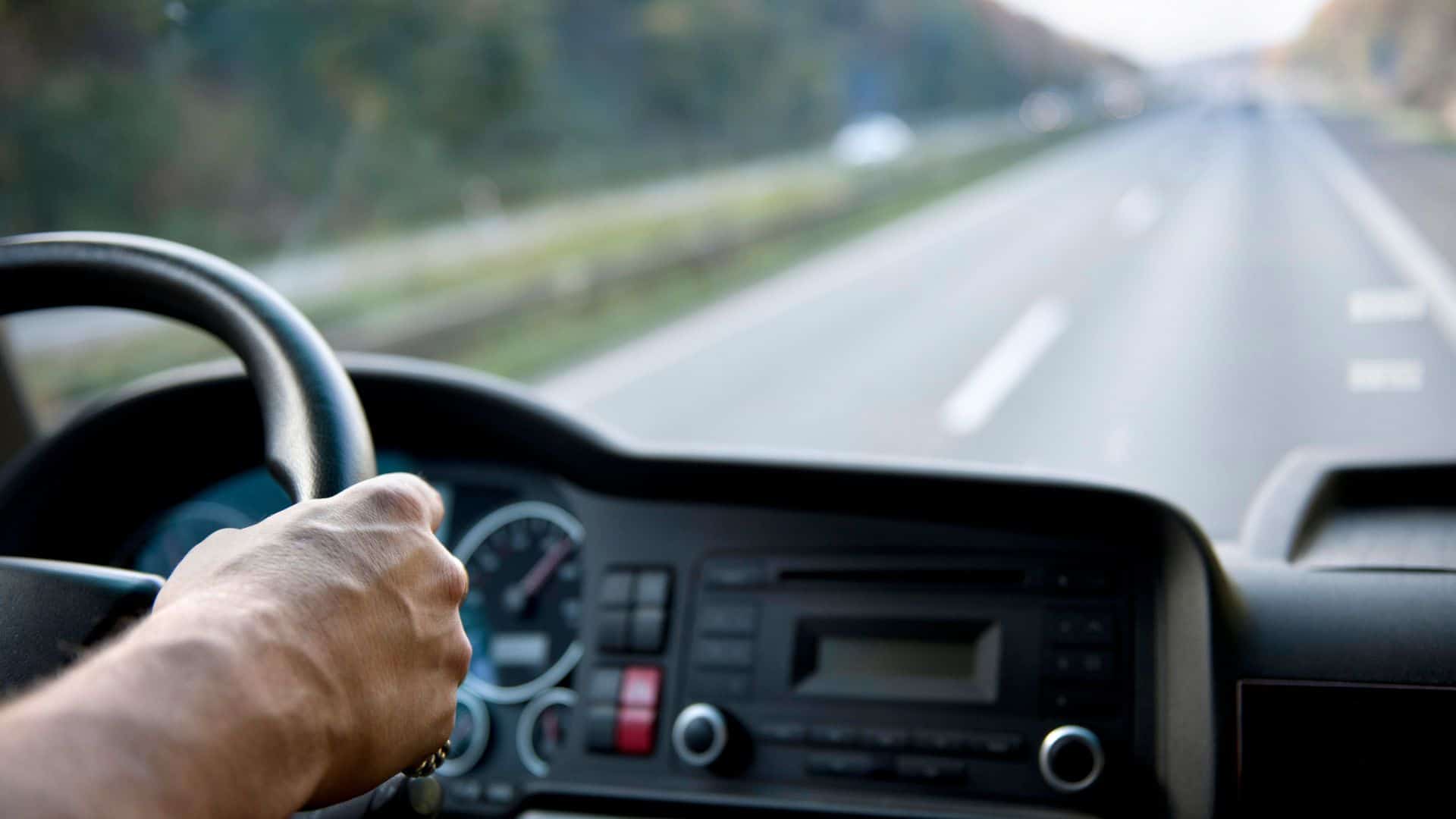
People are more likely to blame an accident involving a semi-autonomous car on the human driver even if the autonomous system also made a mistake, according to a new study published in the journal Nature Human Behaviour.

A team of researchers, including Edmond Awad from the University of Exeter’s Business School, wanted to find out how the public attributes blame when they hear about an accident involving an automated car.

Human participants were presented with hypothetical cases in which a pedestrian was killed by a car operated under shared control of a primary and a secondary driver. They were asked to indicate how blame should be allocated.

The researchers found that in crashes involving a car that has dual human and AI controls, the public attribute less blame to the machine.

The research team says that the finding shows there is a public under-reaction to the malfunctioning artificial intelligence components of automated cars.

The abstract of the study says:

“..allowing the de facto standards for shared-control vehicles to be established in courts by the jury system could fail to properly regulate the safety of those vehicles; instead, a top-down scheme (through federal laws) may be called for,”

Dr Edmond Awad, from Exeter’s Business School explained: “It seems like if we leave it to the general public, they may unintentionally go soft on AV manufacturers to improve their safety standards.”

Did you know that the term vehicle does not only include machines that transport humans and goods on land? It also refers to boats, airplanes, and spacecraft.


Journal Citation

“Drivers are blamed more than their automated cars when both make mistakes”
Edmond Awad, Sydney Levine, Max Kleiman-Weiner, Sohan Dsouza, Joshua B. Tenenbaum, Azim Shariff, Jean-François Bonnefon & Iyad Rahwan
Nature Human Behaviour
Published: 28 October 2019
DOI: https://doi.org/10.1038/s41562-019-0762-8


Joseph Nordqvist Avatar

Other News

What makes a product vintage, and why the distinction matters to retailers

Nov 15, 2026

EU business social media use rises, but a gap remains by company size

Nov 15, 2026

Why startups may benefit from testing locally before expanding abroad

Nov 14, 2026

Novel product ideas can be harder to try but more rewarding afterward

Nov 14, 2026

What is in an online cart can influence whether shoppers check out

Nov 14, 2026

Subscription plans can miss customers who would save money, Lyft research finds

Nov 14, 2026

Workers with worse shifts than their colleagues were more likely to leave, restaurant study finds

Nov 14, 2026

More product options do not always reach more customers, cosmetics study finds

Nov 14, 2026

EU household spending grew in 2025 as communication purchases led gains

Nov 13, 2026

Ad experiments can help predict which campaigns drive additional sales

Nov 13, 2026

Browser choice screens lifted Firefox usage in Europe, researchers find

Nov 13, 2026

Online product rankings can cut shipping costs without reducing sales, experiment finds

Nov 13, 2026

Large companies lead EU service exports, but smaller firms dominate in some markets

Nov 13, 2026

Cart reminder timing is linked to different shopper responses

Nov 12, 2026

AI labels changed how consumers judged food images in three experiments

Nov 12, 2026

Shared AI tools were linked to higher sales for small online sellers

Nov 12, 2026

An image ad people like may not be the one they remember

Nov 12, 2026

Upfront rental prices changed competition as nightly rates rose in a study

Nov 12, 2026

Showing payment options earlier can influence online purchase decisions

Nov 11, 2026

Cash-back offers for positive reviews brought more responses but fewer repeat purchases

Nov 11, 2026