
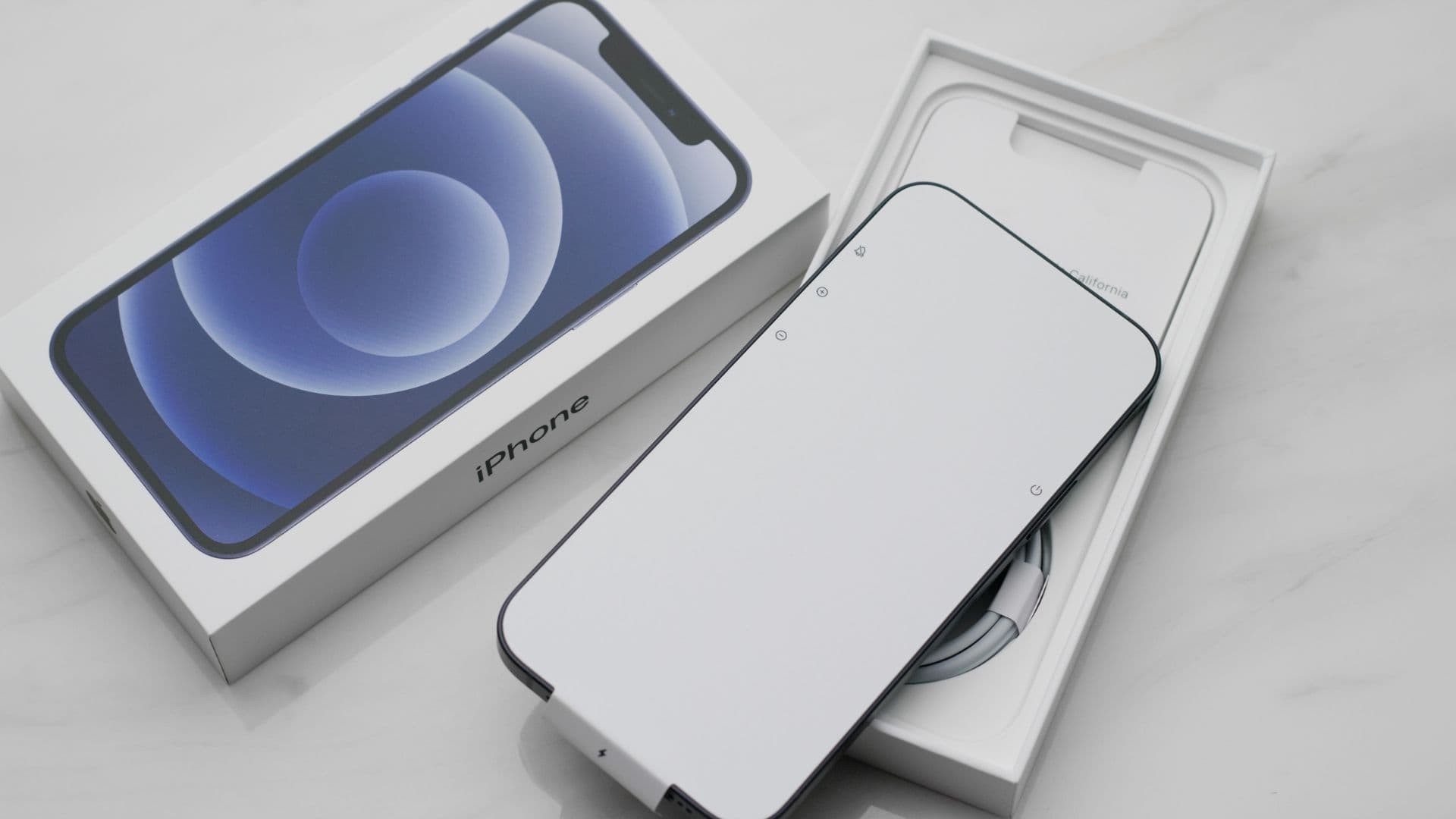
India has quietly taken the manufacturing crown from China, at least for phones headed to American pockets.
Canalys figures for April‑June show that 44 percent of the 27.1 million smartphones shipped to the US rolled off Indian assembly lines, a leap from just 13 percent a year earlier.
China’s share slid to 25 percent, while Vietnam, powered by Samsung’s factories, filled most of the remaining gap.
Why the supply map flipped
Apple triggered much of the shift. The company has aggressively expanded iPhone production in India under its “China‑plus‑one” play, then earmarked a big slice of that output for the US market this year.

Canalys principal analyst Sanyam Chaurasia says the move made India “the leading manufacturing hub for smartphones sold in the US” for the first time.
“India became the leading manufacturing hub for smartphones sold in the US for the very first time in Q2 2025, largely driven by Apple’s accelerated supply chain shift to India amid an uncertain trade landscape between the US and China.” – Sanyam Chaurasia.
Q2 2025 – Winners and losers
Apple still led the US market with 13.3 million iPhones, but that total fell 11 percent year on year. Samsung shipped 8.3 million phones, up 38 percent, tightening the gap between the two giants. Motorola added a modest 3 percent, while Google’s Pixel line grew 13 percent to 0.8 million units. TCL sank 23 percent.
United States Smartphone Shipments & Annual Growth – Q2 2025
| Vendor | Q2 2025 | Q2 2024 | Annual growth | ||
|---|---|---|---|---|---|
| Shipments (million) |
Market share | Shipments (million) |
Market share | ||
| Apple | 13.3 | 49% | 14.9 | 56% | -11% |
| Samsung | 8.3 | 31% | 6.0 | 23% | 38% |
| Motorola | 3.2 | 12% | 3.1 | 12% | 2% |
| 0.8 | 3% | 0.7 | 3% | 13% | |
| TCL | 0.7 | 3% | 1.0 | 4% | -23% |
| Others | 0.7 | 3% | 1.0 | 2% | -34% |
| Total | 27.1 | 100% | 26.7 | 100% | 1% |
Source: Canalys Smartphone Horizon Service (sell-in), July 2025
Falling demand is only part of Apple’s headache. Most iPhones are still built in China, making the company sensitive to future tariffs. Cupertino has promised to spend $500 billion in the US over the next four years, but the pledge focuses on servers, chips, and R&D, not handset assembly.
“Vendors continue to frontload devices and maintain high inventory levels to best cope with the risk of tariffs coming into play later in the year,” said Runar Bjorhovde, Senior Analyst at Canalys.
“Apple built up its inventories rapidly toward the end of Q1 and sought to maintain this level in Q2. Samsung scaled up its inventory stock in Q2, boosting its shipments to grow 38% year on year, predominantly driven by Galaxy A-series devices. Yet, the market only grew 1% despite vendors frontloading inventory, indicating tepid demand in an increasingly pressured economic environment and a widening gap between sell-in and sell-through,” Bjorhovde added.
Geopolitics at play
Washington’s pressure on firms to build in the US remains. President Trump praised Apple’s investment plan and his administration has said that Apple can and should move its global manufacturing infrastructure of the iPhone to US soil — but direct phone production in the US remains absent for now.
In the meantime, diversification continues. India opened a New Tata plant earlier this year to ramp up iPhone production. Samsung and Motorola are adding Indian capacity more slowly; Samsung’s core smartphone hub is in Vietnam, and Motorola’s stays in China.
Smaller brands feel the squeeze
High inventory costs, uncertain tariff rules, and new US retail requirements have thinned the field — for example, HMD Global is already retreating.
With Apple, Samsung, and Motorola holding more than 90 percent share, carve‑outs for niche players look scarce.
Where this leaves the market
India’s surge highlights a deeper rewiring of tech supply chains. For now, Americans unboxing new iPhones are more likely than ever to see a “Made in India” label printed on the packaging.
