
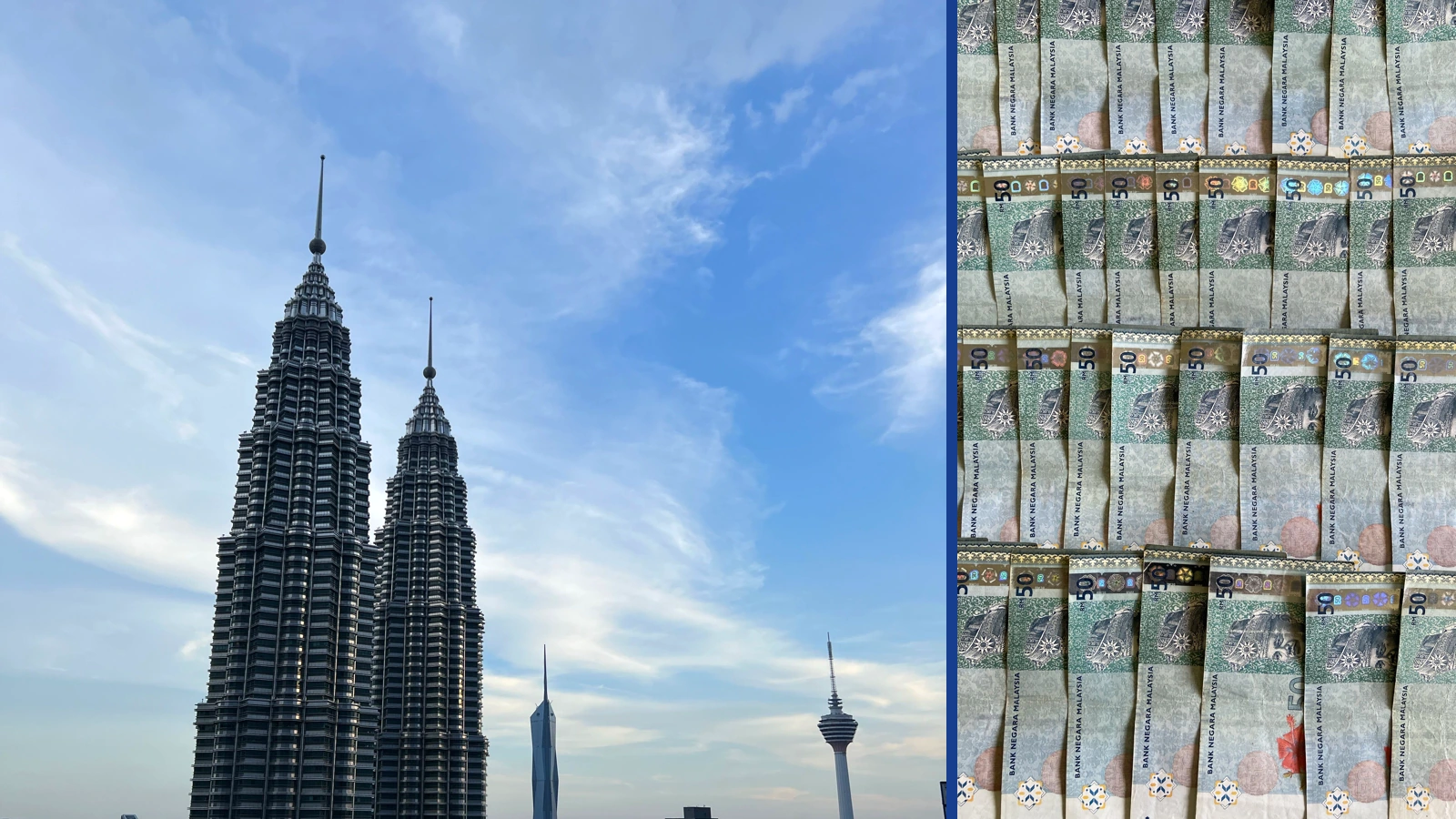
Malaysia plans to raise its monthly minimum wage from RM1,700 to RM2,000 from June 2027, while exempting micro, small and medium-sized enterprises with annual sales below RM50 million.
Prime Minister and Finance Minister Anwar Ibrahim announced the measure when presenting Budget 2027 on 9 October. The increase of RM300 amounts to approximately 17.6%, calculated from the current rate.
According to the official budget speech, more than four million workers would be covered by the new rate. The exemption is intended to give smaller businesses room to adjust their business models.
The announcement sets out the government’s planned policy. It does not mean the higher wage is already in force, and the speech does not specify an end date for the exemption.
Employers welcome notice but seek clear rules
The Federation of Malaysian Manufacturing, or FMM, welcomed the proposed increase and the exemption in its budget response. It said advance notice would help employers budget for higher employment costs.
"Clear implementation and exemption guidelines will be essential," the federation said.
FMM described the exempt group as firms with annual turnover of RM50 million and below. The prime minister’s speech says below RM50 million. Businesses at the boundary will need the implementing rules to establish their position.
The Malaysian Employers Federation also welcomed the measure. Bernama reported that its senior adviser Syed Hussain Syed Husman called the exemption a "timely and pragmatic initiative" recognising smaller businesses’ circumstances.
The two responses show employer support for the announced approach, rather than evidence of how it will affect hiring or prices after implementation.
A wage floor differs from wider pay reform
A minimum wage sets the lowest permitted pay for workers covered by its rules. Raising it does not automatically produce the same percentage increase for employees already earning more than the new floor.
The budget also proposes an initial RM2,500 monthly minimum for semi-skilled jobs and graduates. That is a separate element of the government’s intended income framework, rather than the general RM2,000 rate.
FMM called for consultation on that proposal. It argued that pay should reflect job requirements, demonstrated competence and productivity, and warned that skills mismatches could leave employers facing additional training costs alongside wage obligations.
For affected workers, the general increase would raise basic monthly earnings. For covered employers, it creates a payroll adjustment to plan before next June. The exemption means those effects will not reach every business or employee in the same way.
The next detail to watch is the implementation framework, particularly eligibility for relief and the treatment of different jobs. Those rules will determine who receives the announced increase and which employers must provide it.
