

Autonomous vehicles (AVs), also called self-driving vehicles or driverless vehicles, are cars, vans, trucks, trains, and any other mode of transport that do not need a driver – they drive themselves.
Once a distant vision of the future, AVs today are an emerging reality that are about to reshape the transportation industry.
From self-driving cars, *robotaxis, autonomous delivery vans, driverless trucks, and automated shuttles to driverless buses, autonomous vehicles will redefine how we move through cities and across countries. *A robotaxi is a driverless taxi – an autonomous taxi.
Despite significant progress, some challenges, such as regulatory hurdles, public acceptance, and technological development, remain.
Let’s take a look at the current landscape of autonomous vehicles and their potential to revolutionize how we get around in urban and semi-urban areas.
The Current State of Autonomous Vehicles
-
From Sci-Fi to Reality
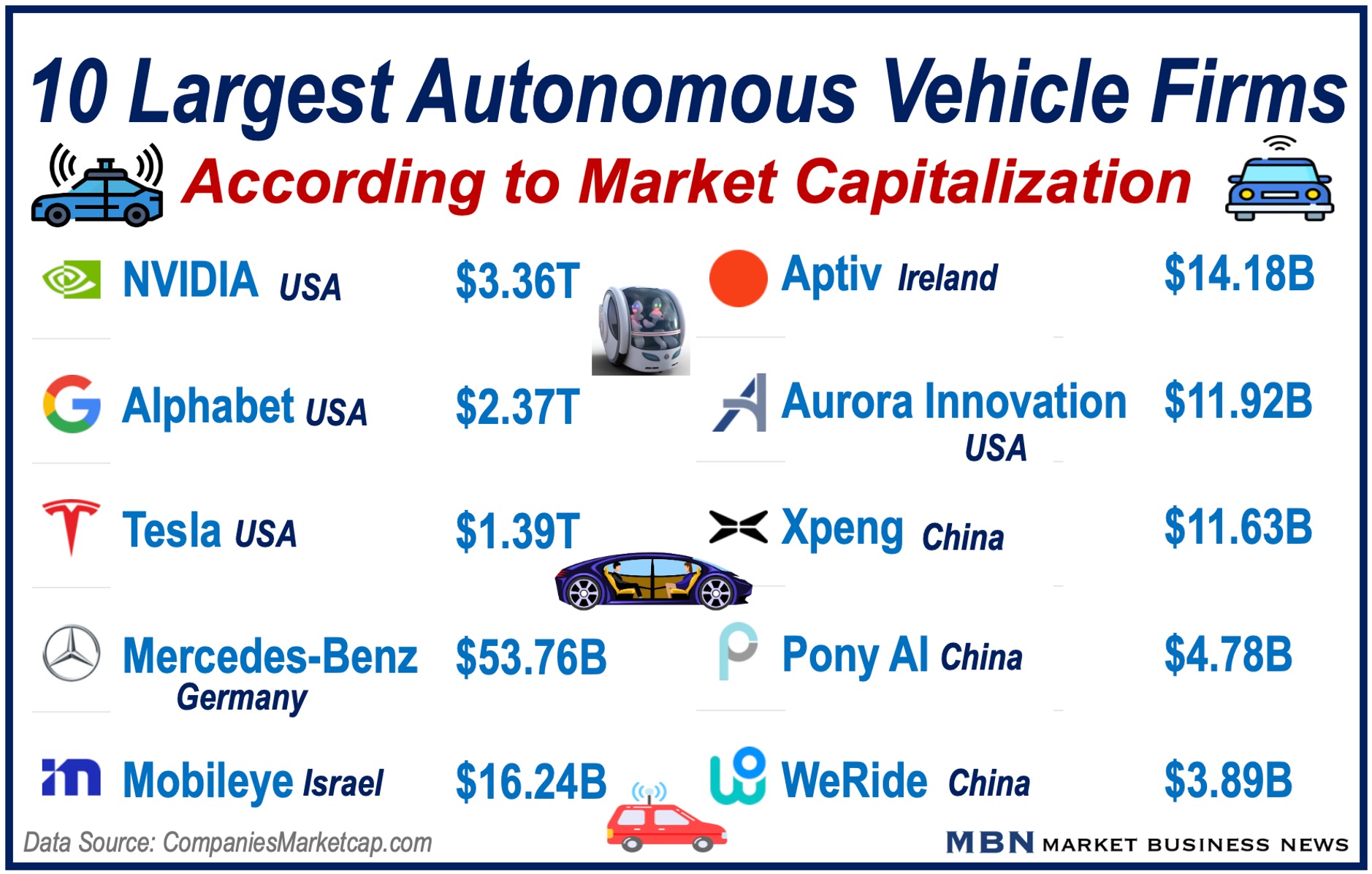
Companies like Waymo, Zoox, and Tesla are leading the charge in making self-driving vehicles mainstream.
Waymo, for instance, has successfully launched robotaxi services in cities such as San Francisco and Phoenix, completing millions of autonomous trips.
Meanwhile, Tesla’s Full Self-Driving (FSD) system is working to improve AI in transportation, but many people are skeptical, and governments are still very cautious about its use.
-
Slow and Steady Expansion
Self-driving cars are becoming more common, but progress is slow. Waymo plans to expand to Atlanta and Austin in 2025, and Zoox aims to start public rides in Las Vegas.
These careful steps show that the road to safe and reliable widespread AV transportation has been and will probably continue to be a long one.
Challenges Facing Autonomous Vehicles
-
Safety and Public Trust
Safety is paramount in the autonomous vehicle sector. High-profile incidents involving driverless vehicles have raised concerns among regulators and the public.
Companies like Waymo emphasize their vehicles’ safety records, citing fewer accidents compared to human drivers.
When somebody dies or is injured in traditional vehicles, the news rarely makes the first page. However, any incident involving autonomous vehicles tends to become headline news.
-
Regulatory and Technological Barriers
Navigating diverse regulatory landscapes is no easy task. Governments across the globe are grappling with how to regulate autonomous vehicles effectively.
AV technology is expensive and requires extensive testing in varied environments, from bustling urban centers to adverse weather conditions.
-
Public Hesitance
Surveys reveal that a significant portion of the population remains wary of riding in driverless vehicles. Public apprehension regarding autonomous vehicles has largely persisted and, in some respects, intensified over the last ten years.
This skepticism often stems from fear of malfunction and mistrust in the technology. Companies must invest in public education and transparent communication to build confidence. More people need to understand that traveling in an autonomous vehicle is statistically much safer than in a vehicle driven by a human.
Autonomous Buses and Public Transit
-
Innovations in Urban Mobility
Public transit is also embracing autonomy. For instance, Sweden will debut the Level-4 Autonomous e-ATAK bus in Gothenburg in 2025, offering sustainable and efficient transport options.
However, not all initiatives succeed; in Scotland, Edinburgh’s autonomous bus service was recently discontinued due to low ridership, underscoring the importance of public acceptance and proper implementation.
-
Pros and Cons of Autonomous Public Transit
Pros: Reduced emissions, operational efficiency, and advanced safety features.
Cons: High initial costs and resistance from commuters unfamiliar with the technology.
Economic and Environmental Implications
-
A Boost to the Economy
The rise of autonomous vehicles is expected to transform industries, from logistics to ride-hailing.
Ridesharing companies like Lyft and Uber are partnering with developers of autonomous vehicles to integrate driverless options into their platforms, potentially lowering operational costs and increasing profitability.
-
Sustainability at the Core
Electric AVs are environmentally friendly and align with efforts to combat global warming – their carbon emissions are significantly lower than traditional vehicles, especially when powered by renewable energy.
The Road Ahead
-
Continuous Innovation
AV developers are leveraging advancements in *artificial intelligence to accelerate development.
* Artificial Intelligence or AI refers to software technologies that enable computers or robots to perform tasks that typically require human intelligence, such as thinking or decision-making.
AI allows for extensive testing in simulated environments, reducing the need for public road trials. This innovation speeds up progress while maintaining safety.
-
Partnerships and Collaboration
Collaboration between tech firms, automakers, and public transit authorities is critical. By sharing resources and expertise, these three parties can significantly speed up the rollout of autonomous services.
-
Public Acceptance
There won’t be widespread adoption of autonomous vehicles if there is no public trust. Companies must demonstrate the reliability and safety of their technology through transparent data sharing and consistent performance.
As mentioned earlier, AVs are safer than human-driven vehicles, but not that many people know this.
AV makers and developers must invest more resources in public awareness and education campaigns, ensuring people understand the safety benefits and capabilities of this technology.
Conclusion
Autonomous vehicles are poised to reshape transportation, offering safer, more efficient, and environmentally friendly solutions.
While challenges persist, the steady progress made by industry leaders like Waymo, Tesla, and Zoox indicates that a driverless future is within reach.
As the technology evolves, it has the potential to transform not only how we travel but also how we interact with our cities and the environment.
Additionally, with no need to pay taxi or bus drivers, many transport services could become significantly cheaper, making them more accessible to the public.
