
SpaceX successfully launched an unmanned rocket into orbit from the Vandenberg Air Force Base on the California coast at approximately 9:54:39 am PST, January 14.
The successful launch marked an important milestone for SpaceX and returned the company to flight for the first time since a complicated launch-pad explosion in September.
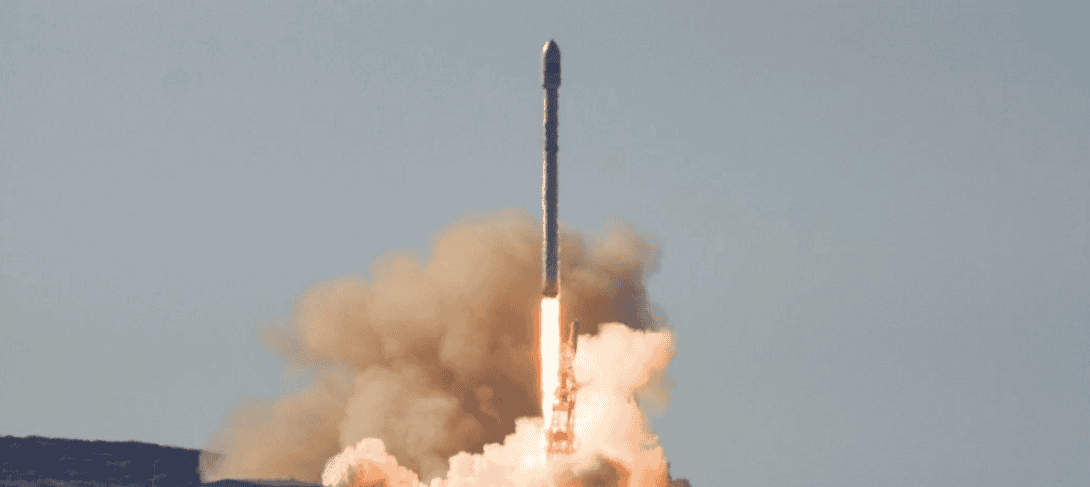
“Rocket is stable,” Musk posted on Twitter. “Mission looks good.”
Mission looks good. Started deploying the 10 Iridium satellites. Rocket is stable on the droneship.
— Elon Musk (@elonmusk) January 14, 2017
The 230-foot Falcon 9 rocket was carrying a payload of 10 satellites for Iridium Communications Inc.
The 10 Iridium NEXT satellites were successfully deployed into low-Earth orbit (LEO).
Successful deployment of 10 @IridiumComm NEXT satellites has been confirmed.
— SpaceX (@SpaceX) January 14, 2017
“It’s a clean sweep – 10 for 10,” said SpaceX launch commentator John Insprucker after the satellites were released.
SpaceX is under contract with Iridium to launch 70 satellites, 10 at a time, in a deal worth $468.1 million, according to spokeswoman Diane Hockenberry.
The batch of satellites deployed today represents the first phase of Iridium’s NEXT constellation plan, a one-for-one satellite replacement of Iridium’s existing global satellite constellation – the largest commercial satellite constellation in space.
“Today Iridium launches a new era in the history of our company and a new era in space as we start to deliver the next-generation of satellite communications,” said Matt Desch, chief executive officer of Iridium.
“We have been working endless hours for the last eight years to get to this day, and to finally be here with ten Iridium NEXT satellites successfully deployed into low-Earth orbit is a fulfilling moment. We are incredibly thankful for all of the hard work from our team, as well as our partners, to help us achieve this milestone.”
The stakes for SpaceX to complete the mission successfully were high.
In June, a Falcon 9 rocket exploded after liftoff from Cape Canaveral, Florida, and the launch-pad explosion in September destroyed a $200 million satellite Facebook had intended to use to deliver high-speed internet to Africa.
The company will now focus on continuing with successful deployment of Iridium NEXT satellites, replacing the current network, in what SpaceX said in a press release “will be one of the largest ‘tech upgrades’ in history.”
