

The world’s largest carmaker, Volkswagen AG, has reached a significant agreement titled “Zukunft Volkswagen” (Future Volkswagen) with employee representatives, ensuring the continuation of production at its German facilities while implementing measures to remain competitive.
Before this agreement, Volkswagen had been talking about closing plants in Germany, which shocked the nation.
According to a Volkswagen press release, the deal follows extensive negotiations and aligns the automaker’s production with current market demands, secures jobs until 2030, and positions the company for long-term success in the automotive industry.
Workforce and Cost Adjustments
As part of the agreement, Volkswagen plans what it describes as “a socially responsible” workforce reduction of over 35,000 positions in Germany by 2030.
This move allows the company to address overcapacity issues while avoiding abrupt layoffs. The job security plan guarantees stability for the rest of the workforce until the end of this decade.
The company also targets substantial cost savings, amounting to over €15 billion annually in the medium-term. Of this, €1.5 billion will come from reductions in labor costs.
A reduction in costs of €4 billion per year will come by aligning production capacities and lowering development costs.
Production Realignment
Volkswagen’s German production capacity will be reduced by 734,000 units, from 1.91 million vehicles in 2023 to 1.176 million, to meet market realities and boost efficiency. This will represent a capacity reduction of 38%.
Despite these reductions, the company remains committed to its German operations and plans key adjustments at various plants:
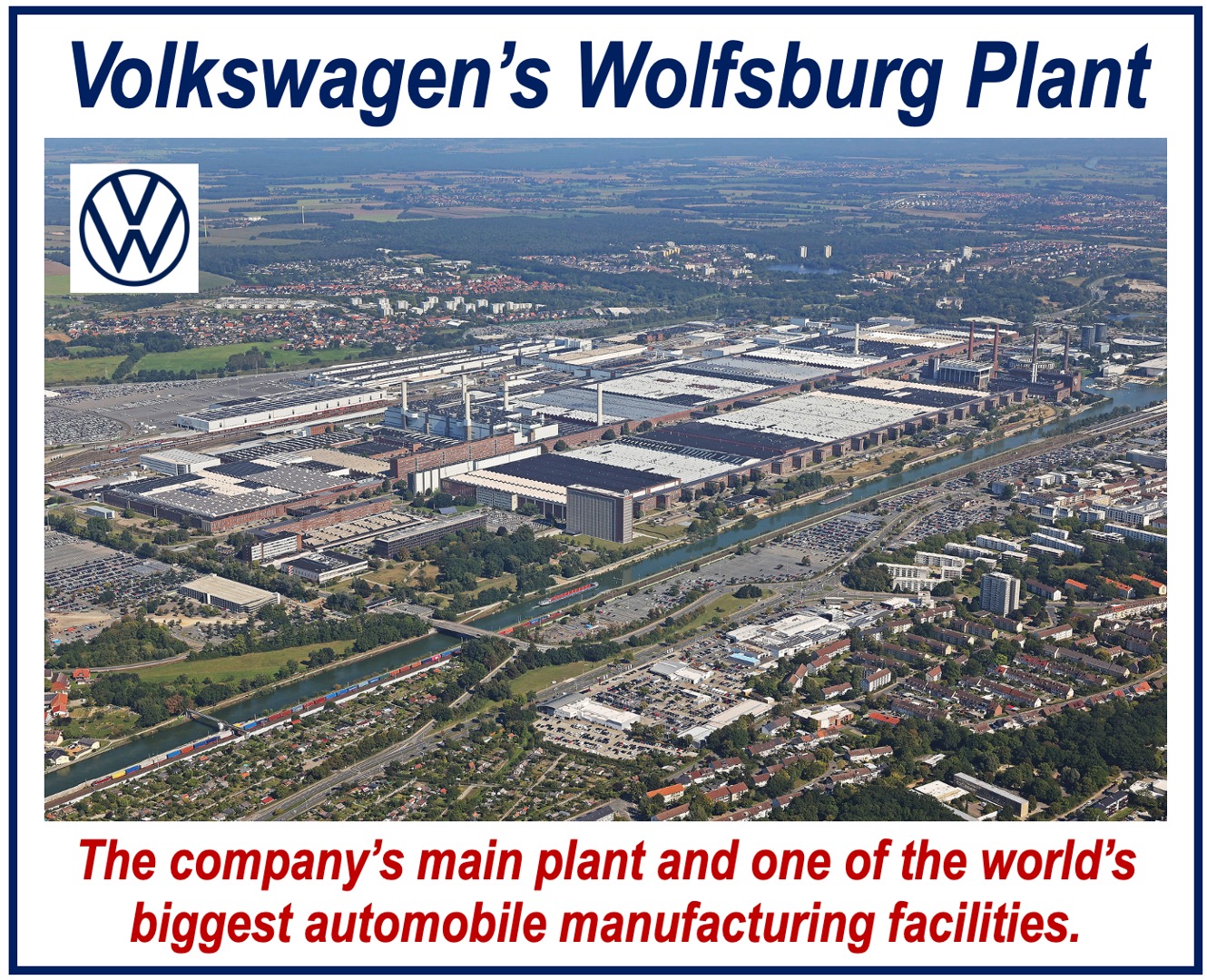
- Wolfsburg: The ID.3 and CUPRA Born electric models will be manufactured here. Production of the Golf and Golf Estate models will move to Mexico by 2027. Two production lines will replace the current four. The site’s future will be reinforced with electric models like the next-generation Golf.
- Emden: This plant will continue producing the ID.7 and ID.4 electric vehicles.
- Dresden: Vehicle production will cease in 2025. However, Volkswagen is exploring alternative uses for the facility.
- Osnabrück and Zwickau: These plants will focus on specific models, including the Audi Q4 e-tron, with streamlined production lines by 2027.
Future Goals
Volkswagen plans to become a technological leader among high-volume carmakers by the end of this decade. The company says that this latest agreement will help it achieve this vision.
Volkswagen’s CEO, Oliver Blume, highlighted the importance of the deal, stating:
“We are now back in a position to successfully shape our own destiny.” The company intends to invest in new technologies, such as electric vehicle platforms and circular economy initiatives, to secure its future.
Thomas Schäfer, CEO of the Volkswagen Passenger Cars brand, said:
‘We have set ourselves three priorities for the future of the Volkswagen brand: Reduce overcapacity in Germany, reduce labor costs and achieve competitive development costs. The negotiations have led to viable results in all three areas. With the agreed package of measures, we are in a position to largely close the gap in our performance program.”
“We have thus created the basis for making Volkswagen the technologically leading volume manufacturer by 2030 – with a clear plan, strong products, and a clear commitment to Germany as a business location.”
Challenges and Opportunities
Volkswagen’s agreement provides a clear path forward; however, challenges remain. The automaker must balance job cuts with productivity and innovation while navigating fierce competition in the global automotive market.
With this comprehensive plan, Volkswagen has avoided the risk of plant closures and reinforced its commitment to maintaining Germany as a key production hub.
These latest measures not only address short-term financial sustainability but also create a foundation for long-term growth.
