
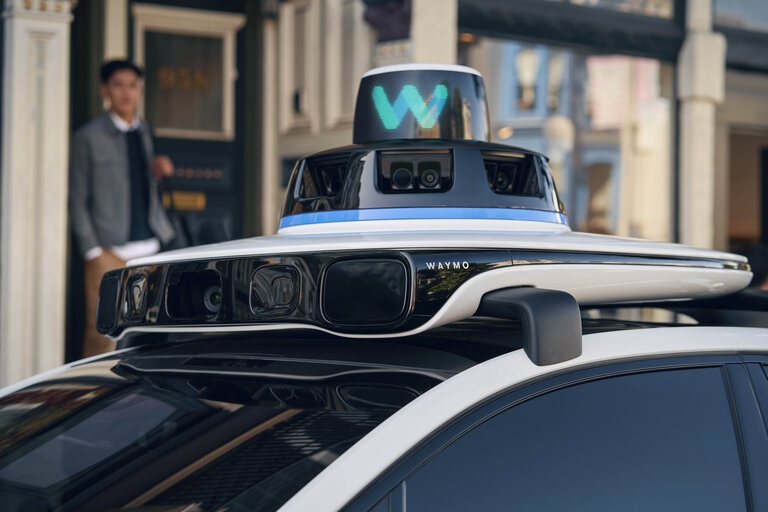
Waymo, the Alphabet-owned autonomous vehicle firm that’s spent years fine-tuning its cars in American cities, is finally crossing the Pacific, straight into the heart of Tokyo. Early 2025 will see its vehicles rolling onto Japan’s busy streets for the first time, confronting left-side traffic and a densely packed urban environment that could test their capabilities in fresh ways. After all, if a car can handle the near-constant buzz of pedestrians, bicyclists, and taxis in Shinjuku or Shibuya, what can’t it handle?
Unlike some splashy debuts, Waymo’s move doesn’t promise instant commercial service. Instead, the company is teaming up with Nihon Kotsu, Tokyo’s biggest taxi operator, and the popular taxi-hailing app GO. To start, drivers from Nihon Kotsu will operate Waymo’s Jaguar I-PACE vehicles manually, mapping vital neighborhoods — Minato, Chiyoda, and Shinagawa among them. These drivers will gather the data Waymo needs before its cars attempt anything on their own. It’s a cautious step, but maybe that’s wise. Who wants to rush into driverless rides on crowded Japanese avenues without first getting to know the lay of the land?
“こんにちは (Konnichiwa) and hello, Japan!” Waymo said in its official blog post. “Our upcoming road trip to Tokyo gives us the chance to work alongside local partners, government officials, and community groups to understand the new landscape. We’ll learn how Waymo can serve Tokyo’s residents and become a beneficial part of the city’s transportation ecosystem. And every step of the way, we’ll take a rigorous approach to validating our technology’s safety and performance.” There’s a certain earnestness to that message, almost as if Waymo is asking for understanding rather than assuming it.
This move appears at a curious moment. Just a week earlier, General Motors announced the end of its Cruise robotaxi division (an ambitious project that had also set its sights on Japan). So why is Waymo still forging ahead? Perhaps it sees a genuine opportunity in Tokyo, where government policy shows interest in easing transportation issues for an aging population and improving overall mobility. With a few local competitors already experimenting with their own autonomous vehicles, could Waymo’s presence push the conversation forward and nudge Japan into embracing these cars even more?
Of course, no one can guarantee instant success. Will Tokyo’s famously intricate traffic rules and cultural driving habits challenge Waymo’s algorithms? The company’s measured approach — testing with human drivers first, collaborating closely with local authorities, and spending “several quarters” gathering experience — suggests it’s ready to learn before it tries to teach the city how driverless travel might fit into daily life.
For now, it’s just a small fleet, a handful of people, and a plan to map and learn. Still, it’s hard not to wonder if, in a few years, Tokyo residents might hail a Waymo ride as casually as they grab a coffee. Then again, maybe they’ll look at these quiet, driverless vehicles and think: Who knew this was coming so soon? It’s a question Waymo itself might be curious to see answered.
