

oil well

11 non-OPEC nations, including Russia, agree to cut oil production

Written by Joseph Nordqvist

Published: 08:38, December 11, 2016

Eleven oil producing nations who are not part of the Organisation of the Petroleum Exporting Countries (OPEC) have agreed to cut oil production as part of an effort to boost prices and ease an oversaturated market.

The group of countries, including Russia, Azerbaijan, Bahrain, Malaysia, and Mexico will cut output by 558,000 barrels per day for six months starting from January.

The pledge, made at a meeting of Opec and non-Opec ministers on 10 December, comes after OPEC announced on November 30 that it has agreed to curb oil production by 1.2 million barrels per day.

Ministers from OPEC met with a number of ministers from non-OPEC oil producing countries at the OPEC Secretariat in Vienna and agreed on the necessity to jointly cooperate “to achieve oil market stability in the interest of all oil producers and consumers,” according to an OPEC press release
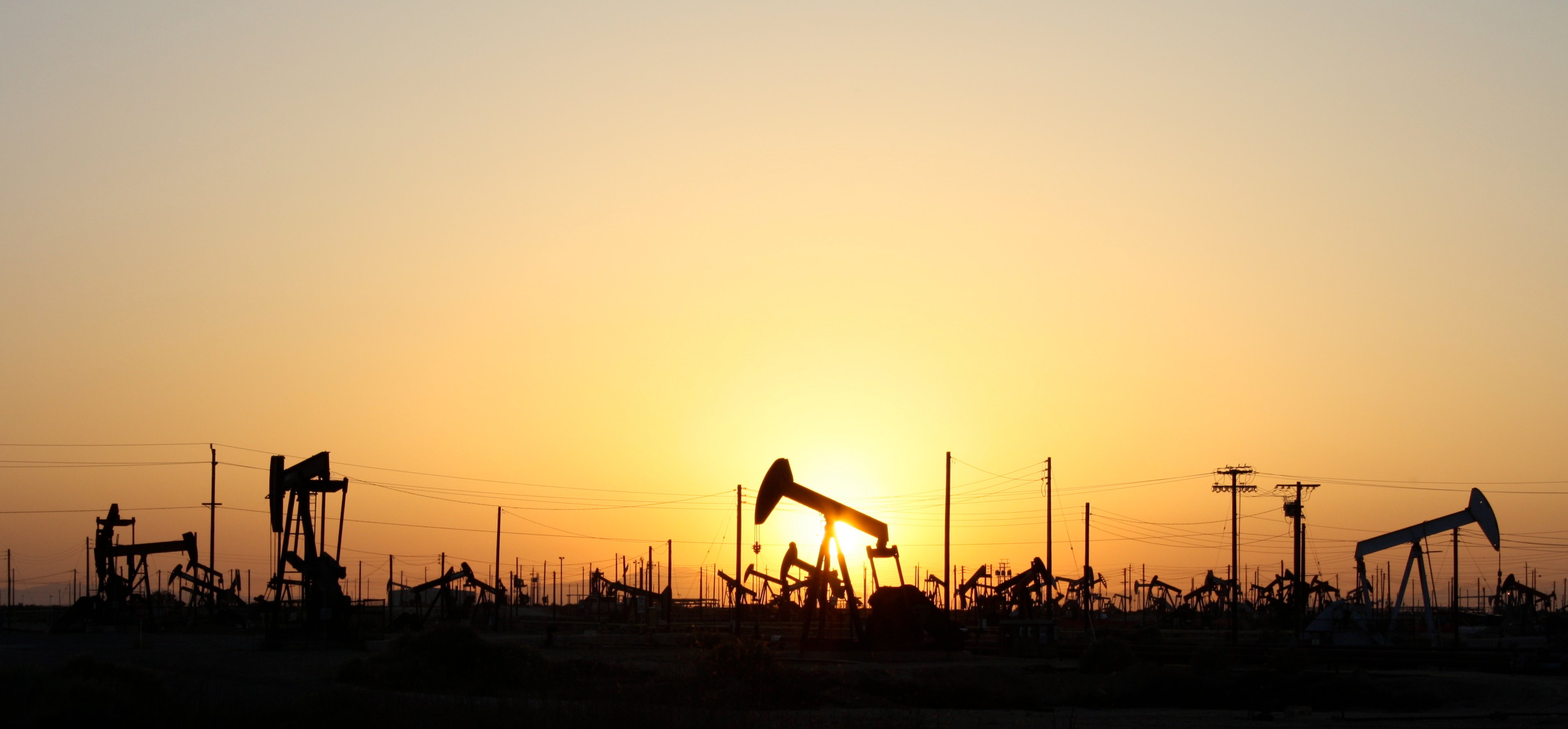
lost-hills-oil-field
Oil prices have more than halved since 2014 because of a global supply glut. Cutting production should help stabilise the market and drive prices back up.

“Today’s agreement will accelerate the stabilisation in the markets,” said Russia’s energy minister Alexander Novak.

The deal was called “historic” by Saudi Energy Minister Khalid al-Falih who said that Saudi Arabia was prepared to cut ouput more if necessary.

Khalid al-Falih was quoted by Bloomberg as saying: “I can tell you with absolute certainty that effective January 1 we’re going to cut and cut substantially to be below the level that we have committed to on November 30,”

Jason Bordoff at the Center on Global Energy Policy at Columbia University told The Financial Times:

“Securing non-Opec’s full participation in the Opec agreement reached in Vienna is a victory for Opec and especially Saudi Arabia, which has long insisted the burden of cuts needed to be shared.”

Joseph Nordqvist Avatar

Other News

Can bikes and scooters make everyday city travel cheaper?

Oct 8, 2026

Workplace wearables: the safety promise and the privacy risk

Oct 8, 2026

International experience can help business leaders, but the fit matters

Oct 8, 2026

Housing costs and family plans: owners and renters face different pressures

Oct 8, 2026

Women in male-dominated finance workplaces report less comfort admitting mistakes

Oct 8, 2026

Second Nature Brands brings Voortman onto shared SAP platform

Oct 8, 2026

Why cloud bills can grow faster than companies expect

Oct 7, 2026

Why empty offices affect more than landlords

Oct 6, 2026

The economics behind cruise lines’ bigger ships

Oct 6, 2026

Apprenticeships offer employers a route to developing scarce skills

Oct 6, 2026

CD&R and McKesson agree to acquire Option Care Health in $5.8 billion deal

Oct 6, 2026

UK appoints six banks for digital government bond pilot

Oct 6, 2026

Driverless trucks move beyond trials: the economics of road freight

Oct 5, 2026

Thomson Reuters completes print sale, retaining content rights and royalties

Oct 4, 2026

Three renewable-energy projects gain access to EU funding applications

Oct 4, 2026

EU house-price growth slows, but buyers still face rising prices

Oct 4, 2026

Digital twin lets operators supervise bottling equipment in laboratory test

Oct 3, 2026

Parametric insurance: how weather triggers determine disaster payouts

Oct 3, 2026

Physical AI takes robots into factory pilots and home trials

Oct 2, 2026

Waste eggshells could help reinforce lightweight magnesium materials

Oct 2, 2026