
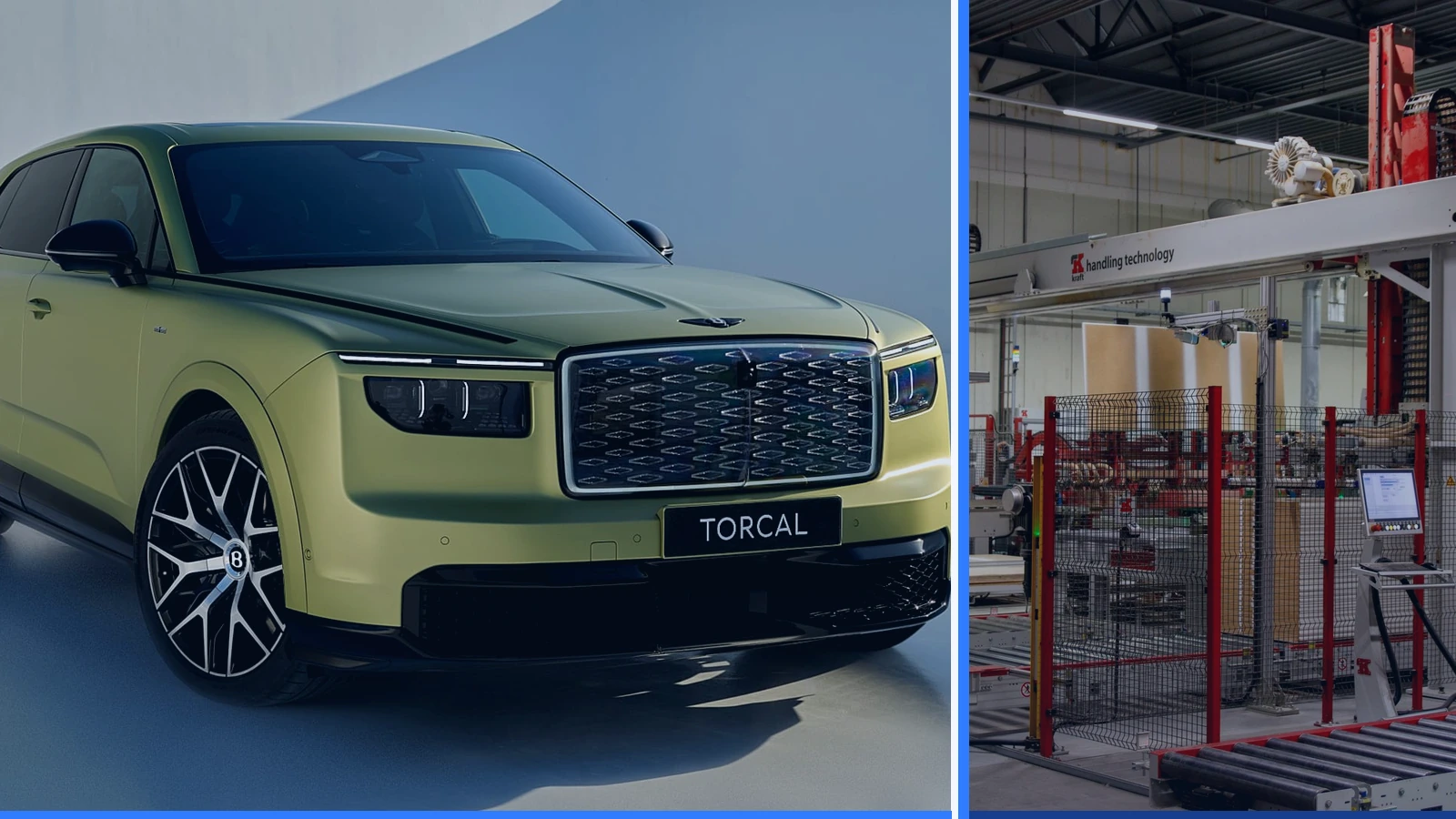
Bentley has completed a 350 million pound investment in its Crewe plant as it prepares to build the Torcal, its first fully electric production model, in the UK. The project gives the luxury-car maker a domestic manufacturing base for a new electric-vehicle line, while the government presents it as part of a wider week of automotive investment announcements.
The Department for Business and Trade said the investment supports about 4,000 existing jobs at Bentley’s Crewe site and adds manufacturing, design and logistics capability. The company unveiled the Torcal in London on 23 September.
The investment has already been completed, according to the government announcement. It should therefore be distinguished from a future spending target or a vehicle-production total that Bentley has yet to report.
Why the Crewe decision matters
Building an electric model in Crewe keeps key engineering and manufacturing work close to Bentley’s existing workforce and suppliers. The factory investment covers more than final assembly: the government says it includes new production, design and logistics capability, alongside skills and training work.
For a premium manufacturer, a new model is also a test of whether its existing brand can carry into a segment where software, batteries and charging experience matter alongside performance and interior design. Bentley calls the Torcal a new model line. Sales, production volumes and margins will show how the project performs commercially once deliveries begin.
The Business Secretary said Bentley’s spending was the third significant automotive announcement in seven days. The department put the combined value of Bentley, McLaren and Nissan announcements at 1.02 billion pounds. That is a total of announced and completed investments by different companies, not a single fund or a measure of cars that have already been built.
The supply chain question extends beyond the factory
Electric-vehicle manufacturing depends on more than a finished vehicle plant. Carmakers need reliable supplies of batteries, electronics, metals and specialist components, while buyers need charging infrastructure and vehicles that meet their price and performance expectations.
MBN recently reported on the EU’s battery-recycling targets and the limited near-term supply of retired packs. That is a separate part of the electric-vehicle market, but it illustrates why manufacturing investment does not by itself settle questions about the future availability and cost of battery materials.
Bentley’s Crewe commitment is concrete. The next commercial milestones are less certain: the start of Torcal production, customer deliveries and whether the new line can support the jobs and supplier activity the government expects.
