
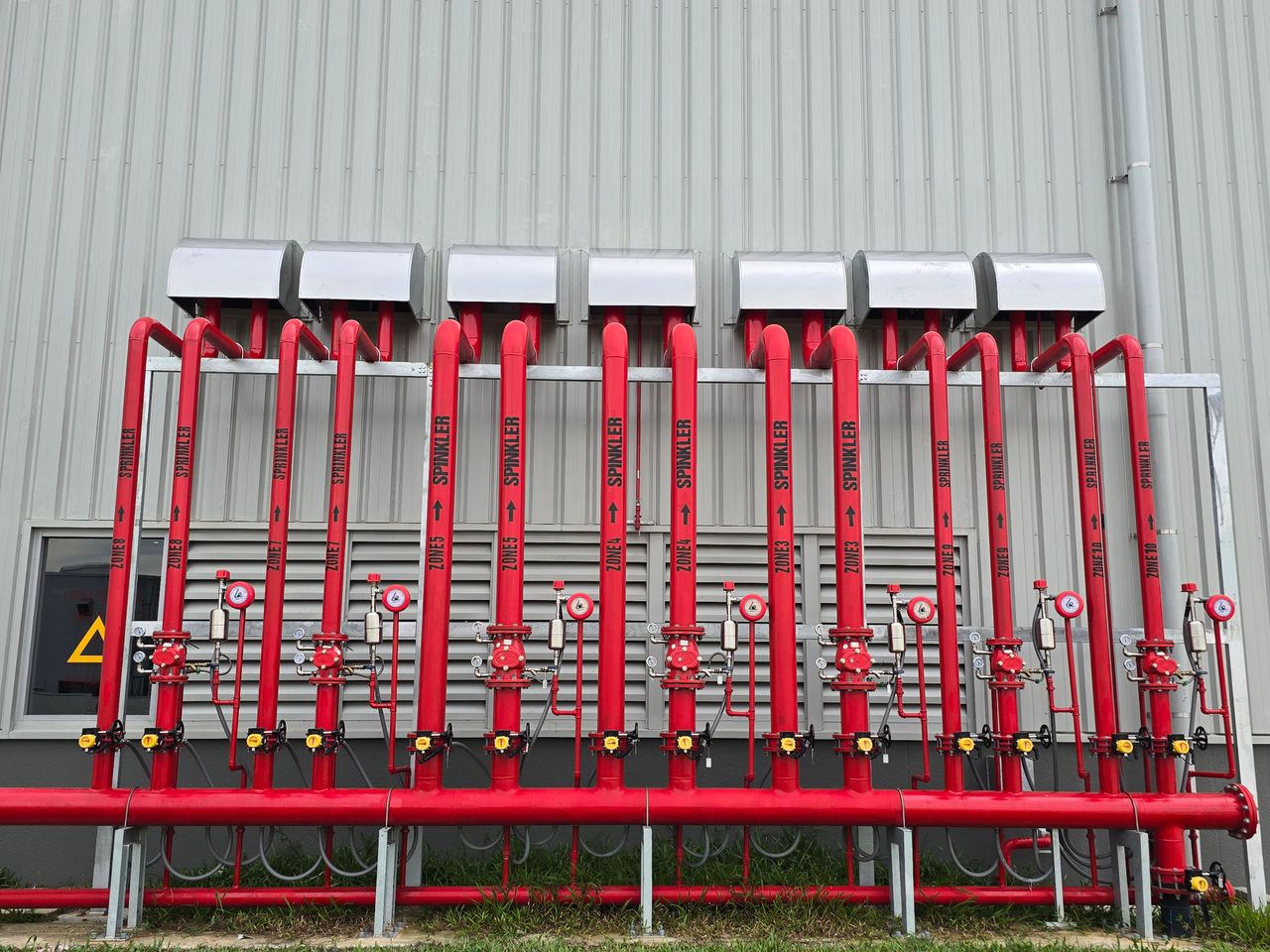
Fire sprinklers are designed to protect a building from fire, but the water damage they can cause in the process is often underestimated until a building actually experiences it firsthand. What starts as a single activated sprinkler head can rapidly cascade into damage that reaches far beyond the immediate area, affecting multiple floors, tenant spaces, and building systems that had nothing to do with the original incident. Understanding the real scope of how this damage spreads is exactly why having a reliable sprinkler shut off tool on hand matters so much to commercial property managers who’ve seen firsthand how quickly a manageable situation can escalate.
Water Travels Further and Faster Than Most People Expect
A single fire sprinkler head can discharge a substantial volume of water per minute, and that water doesn’t stay neatly contained to the room where the activation occurred. It travels along floors, seeps through cracks and gaps, and moves downward through ceilings and walls into spaces below. A sprinkler activation on an upper floor can result in damage appearing on multiple floors beneath it before anyone has fully assessed the scope of what’s actually happened.
This tendency for water to spread far beyond its point of origin is one of the most surprising and costly aspects of sprinkler-related water damage, and it’s a big part of why response speed matters so significantly in limiting the total affected area.
Different Building Materials Suffer Different Kinds of Damage
Water damage doesn’t affect every material in a commercial building the same way. Drywall absorbs water and often needs to be cut out and replaced rather than simply dried. Carpeting and flooring can suffer permanent damage depending on the material and how long they remain wet. Electrical systems and equipment exposed to water discharge face both immediate damage risk and longer-term corrosion concerns. Furniture, inventory, and equipment caught in the affected area may be destroyed outright, with no realistic path to repair.
This variation means that a single sprinkler incident often results in a complicated mix of different damage types, each requiring different remediation approaches, which adds significantly to both the complexity and cost of recovery.
Tenant Disruption Compounds the Financial Impact
For commercial properties with tenants, water damage rarely stays a purely physical, structural problem. Affected tenants may need to temporarily relocate, lose access to their workspace or inventory, or experience significant disruption to their own business operations while repairs take place. This disruption can strain the relationship between property management and tenants, particularly if the incident was preventable or if the response to it felt slow or poorly managed.
Beyond the relationship impact, tenant disruption often carries its own financial consequences for property owners, including potential rent abatement, lease disputes, or reputational damage that affects future leasing efforts.
The Cleanup Timeline Is Often Longer Than Expected
Water damage remediation isn’t a quick process, even for a relatively contained incident. Drying affected areas properly takes time, and rushing this process risks leaving moisture trapped within walls or flooring, which can lead to mold growth and further damage down the line. Depending on the extent of the damage, full restoration , including replacing damaged materials, repainting, and restoring affected systems , can take considerably longer than property managers initially expect, extending the disruption well beyond the initial incident itself.
This extended timeline reinforces why limiting the initial scope of damage matters so much. A smaller affected area translates directly into a shorter, less disruptive remediation process.
Secondary Damage Often Costs More Than the Initial Incident
One of the most costly aspects of sprinkler-related water damage is secondary damage that develops after the initial event if moisture isn’t fully addressed. Mold growth, in particular, can develop within a relatively short window after water exposure if drying and remediation aren’t handled quickly and thoroughly. Addressing mold after it has taken hold is considerably more expensive and disruptive than preventing it through prompt, thorough response to the original water event.
This secondary damage risk is part of why the speed of the initial response , stopping the water discharge as quickly as possible , has such an outsized effect on total incident cost, even beyond the immediate physical damage from the water itself.
Insurance and Liability Considerations Add Further Complexity
Beyond the direct physical and financial impact, sprinkler-related water damage incidents often involve insurance claims, liability questions, and documentation requirements that add administrative complexity to an already disruptive situation. Property managers who can demonstrate a prompt, well-handled response tend to navigate these processes more smoothly than those facing questions about why an incident was allowed to cause more damage than necessary.
The Bottom Line
Fire sprinkler water damage rarely stays contained to a single, isolated area, and its financial and operational impact frequently extends well beyond the initial incident through tenant disruption, extended remediation timelines, and the real risk of secondary damage like mold. Understanding this full scope of potential impact underscores why rapid response capability isn’t a minor operational detail , it’s one of the most direct ways commercial property managers can limit both the immediate and long-term consequences of an otherwise preventable incident.
