
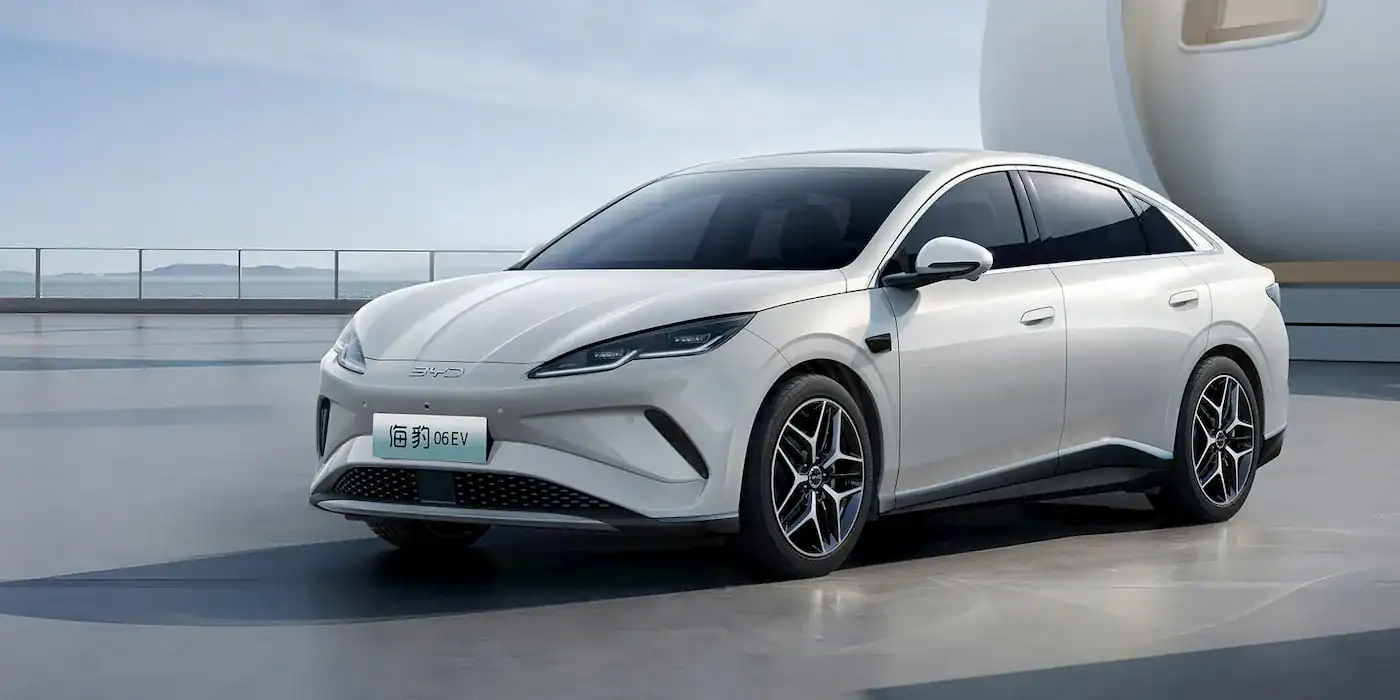
Forecasts abound regarding the negative impact of the Iran war on oil and gas prices and the global economy. There is talk of economic slowdown, recessions, and even a stock market meltdown. However, Chinese electric vehicle (EV) makers are now hoping that consumers worldwide may now decide to switch to EVs as gasoline prices rise.
In a report released on Friday by Wood Mackenzie, David Brown wrote:
“The closure of the Strait of Hormuz could be a game-changer for EVs.”
The higher oil prices go, the more attractive electric vehicles become for consumers and businesses. In a CNN video, Stephanie Yang explains how the US and Israeli war with Iran sent fuel prices skyrocketing. She also suggests that Chinese EV makers may receive a much-needed boost.
Trump, war, and EV boost irony
In future history books, will President Donald Trump be remembered as the leader who saved the oil and gas industry or as the savior of EV sales? If the Iran war continues pushing up oil and gas prices, the transition to renewable energy and electric cars will accelerate rapidly. He will be remembered as the “father” of clean and renewable energy and electric vehicles. That would be the ultimate irony.
If, or more likely when, EV sales start rising fast, it will be thanks to Trump, who helped push up gasoline and diesel prices and provided consumers with the ideal environment for EV makers to thrive.
Renewable energy sources, such as solar power, wind energy, tidal power, hydroelectricity, and geothermal energy, will also become economically viable options when fossil fuel prices skyrocket.
Global benchmark Brent crude futures have risen by approximately 42% since the Iran war started three weeks ago. Refined petroleum products, such as gasoline (UK: petrol) and diesel, however, have increased considerably more. The diesel benchmark, Singapore gasoil, has increased by 104% in three weeks. Gasoline prices have increased by 91%.
In a Reuters article, Clyde Russell wrote:
“The huge price spikes and the fear of shortages are likely to boost the appeal of electric vehicles (EVs) and plug-in hybrid-electric vehicles (PHEVs), as well as electric motorbikes in Asia. Already EVs and PHEVs are making inroads in many countries, driven by the increasing cost-competitiveness of Chinese cars and some government incentives that boost affordability.”
“China is the leader in the adoption of EVs, which isn’t surprising given the massive investment in battery technology the country has made in recent years.”
Chinese EV makers under increasing pressure
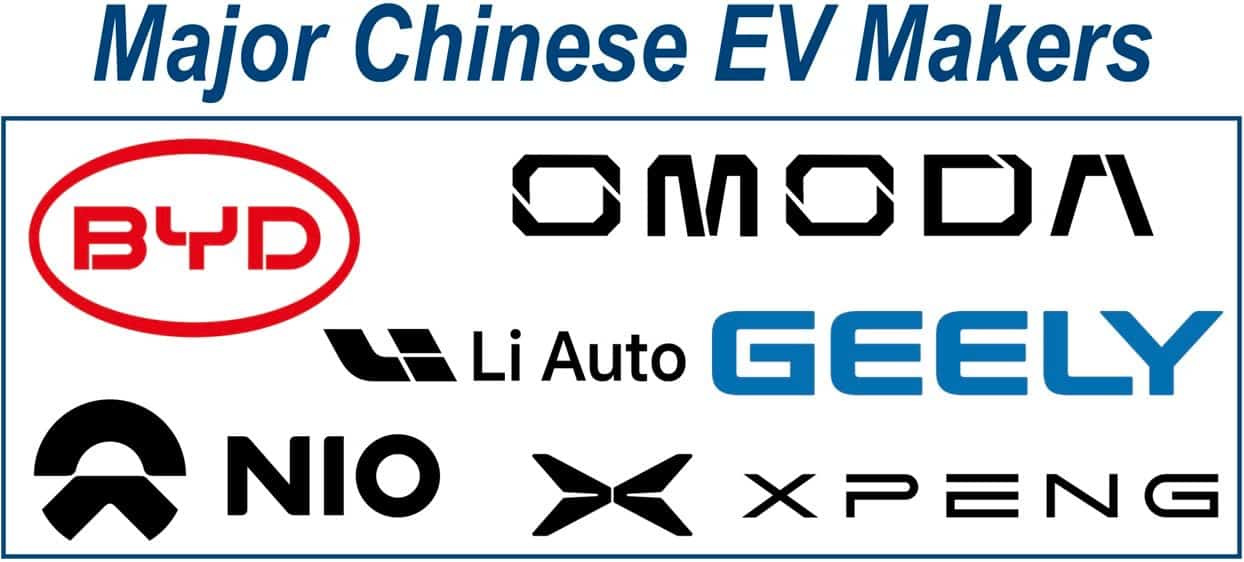
Even though China is by far the world’s largest maker of EVs, the industry has been under increasing pressure due, in part, to weak demand at home. Companies such as BYD, Omoda, NIO, XPeng, and Geely have been competing fiercely for a share of overseas markets.
As Chinese electric vehicles get cheaper, and gasoline and diesel become more expensive, the domestic and global markets are likely to grow considerably. The country’s EV makers await higher sales with cautious optimism.
EVs can also help oil importers become less dependent on foreign energy sources. Electric vehicles managed to reduce global oil consumption by 1.7 million barrels per day in 2025, which was about 70% of Iran’s oil and gas exports in 2025.
In another CNN article, Yang wrote the following about EVs and oil consumption:
“In a recent report, Ember, an energy think tank, called EVs ‘the largest lever to cut import bills,’ and estimated that the use of EVs last year curbed global crude consumption by 1.7 million barrels per day – about 70% of Iran’s exports in 2025.”
