
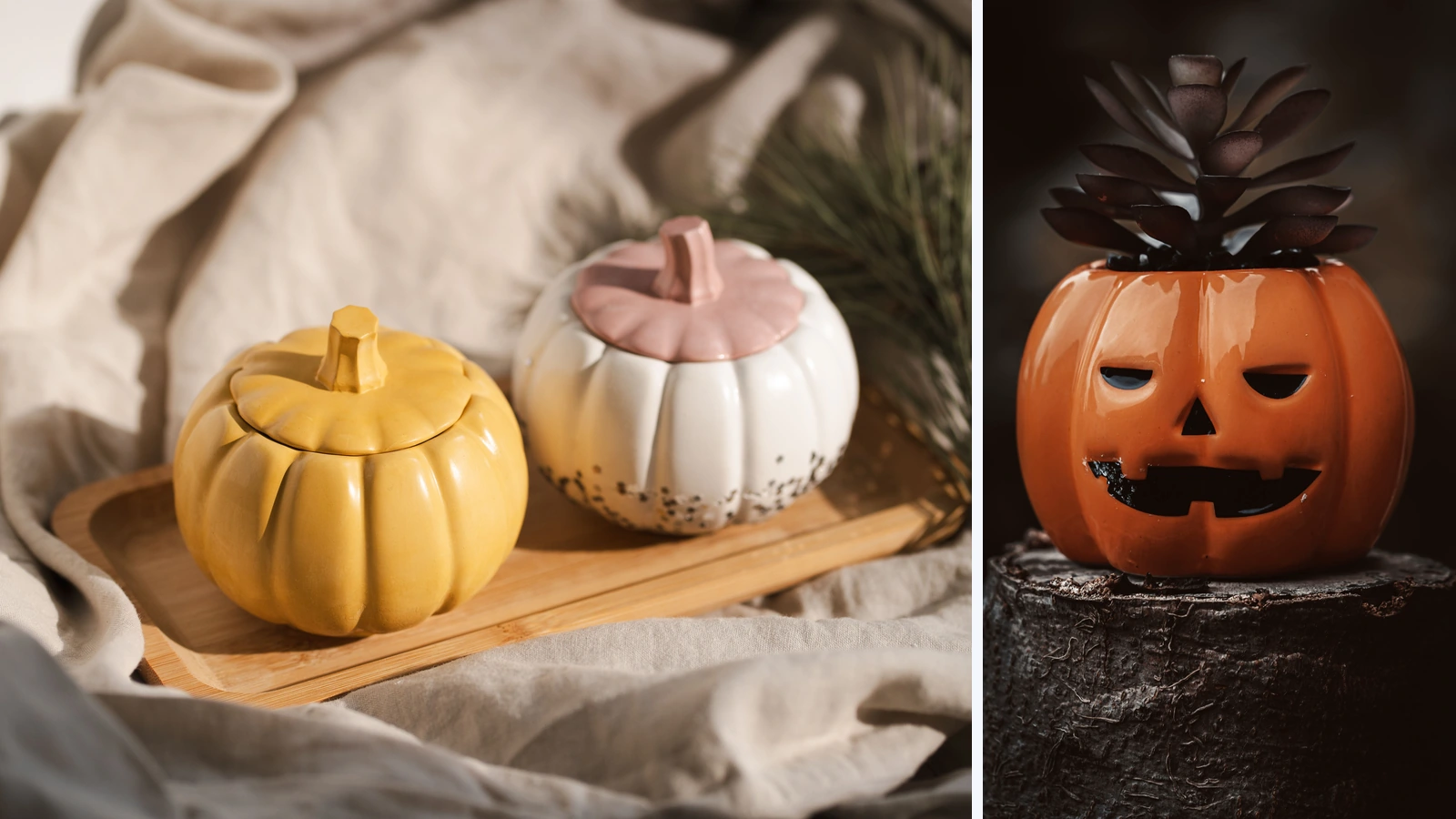
The US National Retail Federation found that 34% of respondents would look for Halloween items they could reuse or repurpose if prices were higher than expected. For retailers planning October promotions, usefulness beyond a single occasion offers another way to explain value.
The retail trade body discussed the finding in an analysis published on 29 September. Its survey, conducted by Prosper Insights & Analytics, covered 7,889 US consumers between 1 and 9 September 2026.
The response describes a possible way of managing higher prices. It is not evidence that a third of shoppers have bought reusable products, or that they would pay a premium for them.
“Consumers continue to make Halloween a spending priority, but they are also approaching the season with affordability in mind,” said Allison Zeller, NRF’s vice president of industry and consumer insights.
The survey also examined reuse of existing items. NRF reported that 73% said they repurposed about half or more of their Halloween decorations from year to year. The corresponding figure for costume items was 52%.
Show what the customer can do next
Two different benefits sit behind the idea of reuse. A decoration may return for the same celebration next year. An ordinary item of clothing or a serving dish may be used again much sooner, in another setting.
Retailers should explain which benefit a product offers. A plain jacket used as part of a costume can be shown with everyday clothing. A removable decorative accessory can be photographed separately, making clear which part gives the outfit its seasonal character.
For decorations, the description needs to cover how they are assembled, taken apart and stored. Dimensions and care instructions help buyers judge whether keeping the item is realistic in their home.
Photographs of alternative uses should show the same product. If a different accessory or additional purchase is needed, identify it and state whether it is included.
Demonstrating versatility does not require removing the seasonal appeal. A product can still be sold for Halloween while its description explains what happens to it after October.
Durability needs evidence
A claim that an item can be reused should be supported by its construction and intended use. Relevant details include washable materials, replaceable parts, fastening methods and any limits on outdoor exposure.
Care instructions matter particularly for clothing. Customers need to know whether an item can be washed at home or requires specialist cleaning. Decorations may need batteries, replacement bulbs or dry storage between uses.
Businesses should distinguish a design intended for repeated use from a tested lifespan. Claiming that a product lasts for several seasons requires evidence for that promise, including the conditions under which it holds.
Environmental wording brings a further obligation. The UK Competition and Markets Authority’s Green Claims Code checklist calls for clear durability information and credible, up-to-date evidence behind environmental claims.
The CMA says broad descriptions such as “eco-friendly” or “sustainable” should reflect the product’s whole life cycle and be justified by evidence. Being reusable is a specific feature; it does not, by itself, establish a product’s overall environmental performance.
A precise account of materials, care and reuse conditions gives customers more to assess than an unsupported environmental label.
Explain value without assuming future savings
A lower price gives an immediate benefit. Repeated use depends on the customer keeping the product, maintaining it and finding another occasion for it.
Any illustration of cost per use, meaning the purchase price divided by the number of uses, should make the assumed number clear. Cleaning, maintenance and replacement accessories may add to the household’s costs.
The initial price still matters. A product with a longer expected life can remain unaffordable to someone managing this month’s spending. NRF’s findings support explaining reuse alongside price, without assuming that a future saving resolves today’s budget constraint.
Our earlier coverage of discounts and later purchase interest examined research in which an extremely low previous price weakened stated willingness to buy at a later, less-discounted price. Those shopping scenarios measured intentions, rather than retail transactions.
For a seasonal range, retailers can assess the price, product description and subsequent customer experience together. Returns caused by damage, unclear care requirements or misleading photographs are relevant to whether the reuse promise holds.
Repeat purchasing needs separate attention. A customer who keeps a decoration for several years has less need to replace it annually. Repeat business may come through other categories, but retailers should measure those later purchases before counting them as a benefit of selling longer-lasting seasonal goods.
