
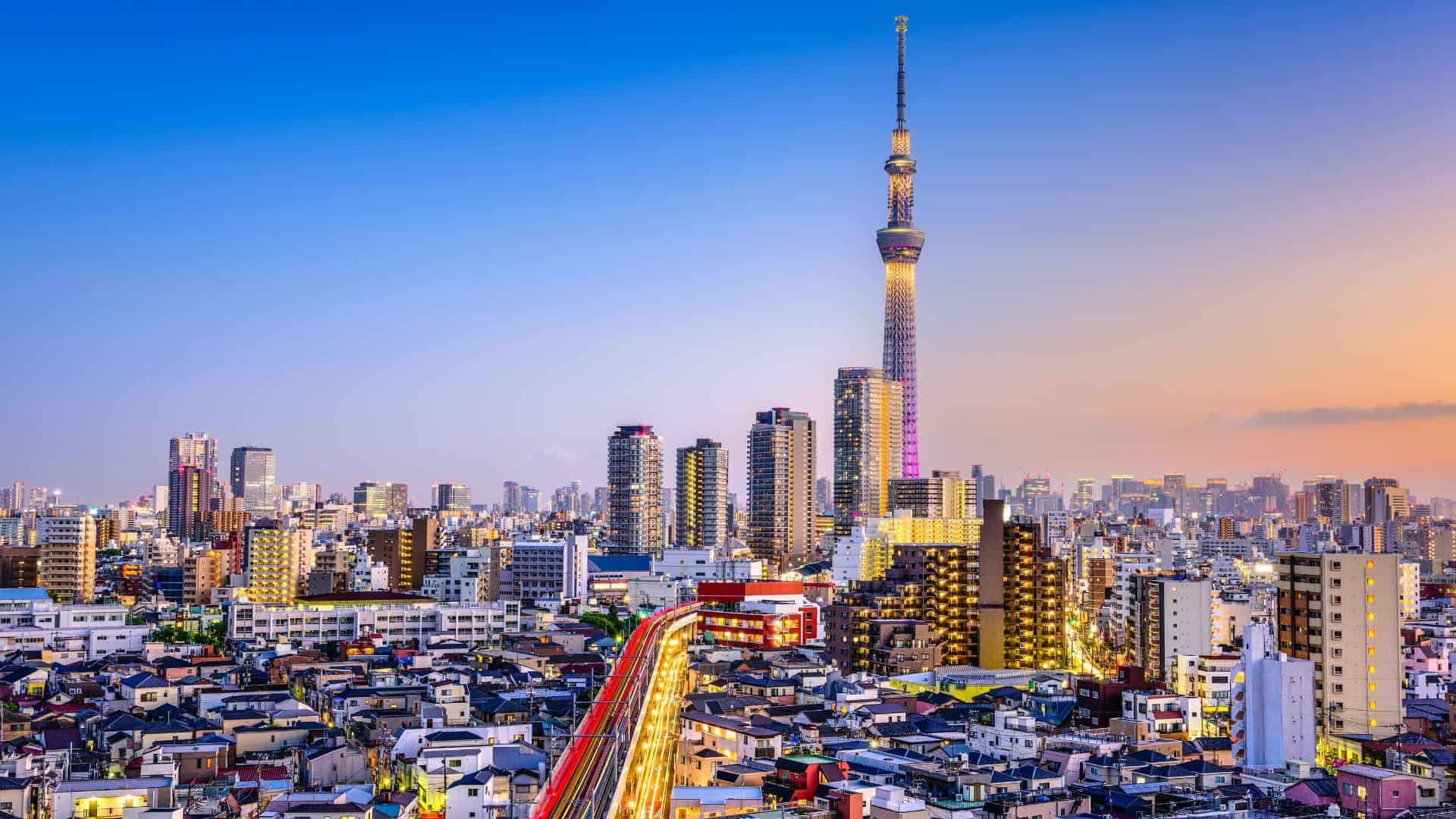
The White House confirmed that US import duties on most Japanese products, including cars and parts, will be capped at 15%. In return, Tokyo will channel about $550 billion into US projects and open its market wider to American goods, officials said.
President Trump called the pact “massive” and said it would make US business “boom.” The administration described the deal as “a new chapter in bilateral cooperation.”
Japan’s side of the bargain is big and broad, the White House fact-sheet shows. Tokyo will:
- Order 100 Boeing jets and boost yearly purchases of US defense gear to about $17 billion, up from $14 billion.
- Open its market wider to American firms: more US rice (up 75 %), an $8 billion package of corn, soybeans and bio-fuels, larger energy imports, and fresh room for US cars now cleared under American safety rules.
- Allow for major expansion of US energy exports and explore a new offtake agreement for Alaskan liquefied natural gas (LNG).
Toyota’s upbeat response
According to Bloomberg, Toyota said in a statement on Thursday morning that it “hopes the environment surrounding the automotive industries of both Japan and the US continues to improve, including further reductions in tariffs, based on fair and open trade.”
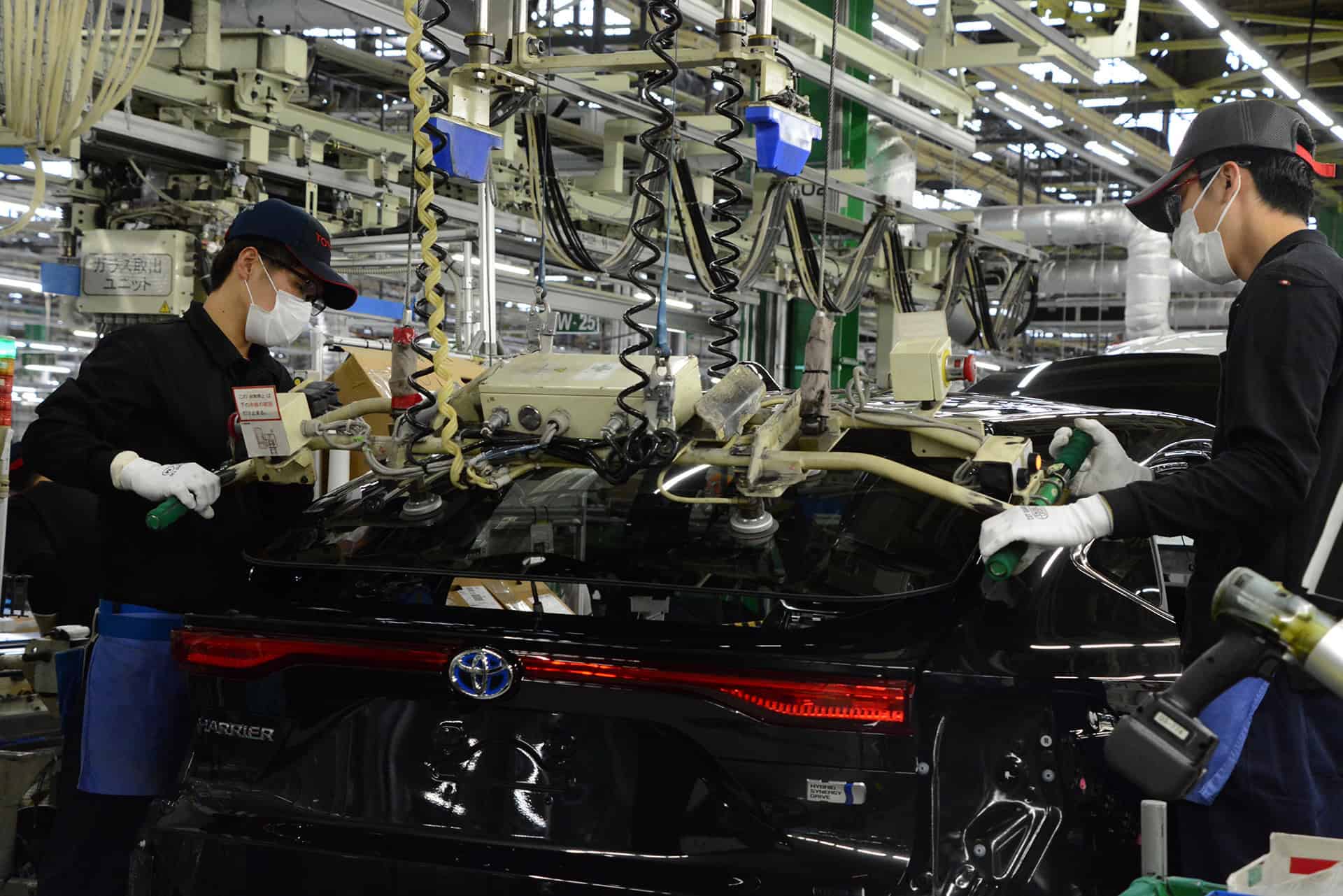
Goldman Sachs analyst Kota Yuzawa wrote in a client note, cited by Bloomberg, that the gross industry impact of the 15% tariff is projected to be around ¥1.9 trillion; far less than the ¥3.5 trillion hit the bank had forecast under the previous tariff rate.
Why are US automakers a bit uneasy?
US automakers see a gap.
- Japanese brands will now pay only 15% to ship finished cars into the United States from Japan.
- Meanwhile, US brands (like GM, Ford, Stellantis) still face a 25% duty when they bring vehicles they built just over the border in Mexico or Canada back into the US.
So, American automakers could (in cases where their vehicles are brought over from Mexico or Canada) pay 10 percentage points more in tariffs on many of their own North-American–made models than their Japanese rivals do.
Matt Blunt, who heads the American Automotive Policy Council, was quoted by Reuters as saying:
“Any deal that charges a lower tariff for Japanese imports with virtually no US content than the tariff imposed on North American-built vehicles with high US content is a bad deal for US industry and US auto workers.”
What comes next
- Other trade partners, namely Canada, Mexico, the EU and South Korea, will start pushing Washington for the same 15 percent ceiling.
- American automakers may rethink supply chains if the higher Canada/Mexico-to-US tariffs stick.
- While other nations try to get the same tariff relief, Japan’s automakers will enjoy a near-term operating-cost edge.
