

The European Central Bank (ECB) announced on Sunday that of the 25 banks that initially failed the banking stress test, 12 have already covered their capital shortfall by raising their capital by €15 billion in 2014.
Italians were shocked to find that 9 of their banks initially flunked the test. Monte dei Paschi, the worst-affected institution, had a capital shortfall of €2.1bn ($2.6bn).
Three Greek (Piraeus Bank, Eurobank Ergasias, and National Bank of Greece) and three Cypriot banks also failed.
The ECB says the 13 banks that still have a capital shortfall will need to prepare capital plans within the next two weeks, and then will have nine months to make sure their levels of capital are adequate.
News update Oct 27, 2014: European bank shares initially surged on Monday on news of the results of the ECB and EBA stress test results, but later fell slightly.
On Sunday, the ECB published the results of its 12-month-long examination of the positions and resilience of the Eurozone’s 130 largest banks as of December 31, 2013.
ECB Vice-President, Vítor Constâncio, said:
“This unique and rigorous exercise is a major milestone in the preparation for the Single Supervisory Mechanism, which will become fully operational in November. This unprecedented in-depth review of the largest banks’ positions will boost public confidence in the banking sector. By identifying problems and risks, it will help repair balance sheets and make the banks more resilient and robust. This should facilitate more lending in Europe, which will help economic growth.”
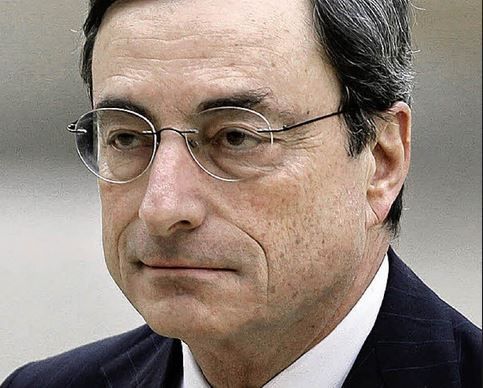
ECB President Mario Draghi has staked his reputation on this latest stress test. The previous two failed to foresee problems that led to the demise of some financial institutions within the Eurozone.
The UK is not in the Eurozone, therefore its banks were not examined by the ECB. However, they all passed a similar test carried out by the European Baking Authority. Lloyds Banking Group, HSBC, Barclays and several other major British banks will soon face much harder stress tests from the Bank of England, which will publish its assessment in December.
ECB says that on December 30th, 2013:
There was a €25 billion shortfall among 25 banks, their asset values must be adjusted by €48 billion, €37 billion of which did not generate a capital shortfall.
It found an additional €136 billion in non-performing exposures.
A financial shock (adverse stress scenario) could reduce the 130 banks’ capital by €263 billion, which would reduce median CET1 ratio from 12.4% to 8.5%.
Chair of the Supervisory Board, said:
“This exercise is an excellent start in the right direction. It required extraordinary efforts and substantial resources by all parties involved, including the euro area countries’ national authorities and the ECB. It bolstered transparency in the banking sector and exposed the areas in the banks and the system that need improvement. The comprehensive assessment allowed us to compare banks across borders and business models, and the findings will enable us to draw insights and conclusions for supervision going forward.”
Since the exercise was announced in July 2013, the biggest 30 banks have strengthened their balance sheets by over €200 billion, the ECB informed.
The European Banking Authority also published its separate stress test results on Sunday. Twenty-four banks failed at the end of 2013; since then 10 of them now have adequate capital levels, while the remaining fourteen have been given nine months to raise capital or risk being shut down.
