
Self-driving cars still attract most of the attention. Yet some of the largest working fleets of autonomous vehicles are already moving coal, ore and rock around mines and quarries.
The latest sign comes from CiDi, a Chinese autonomous mining technology company that listed in Hong Kong last year. The company currently made headlines as it prepares a larger deployment in Australia and seeks contracts in the Middle East, South America and Europe.
CiDi’s fleet has grown to more than 1,700 vehicles across approximately 30 quarries and coal mines, mostly in China. Reuters reports that roughly 10% of mining trucks in China are now driverless. CiDi says a single operator can remotely monitor around 100 trucks.
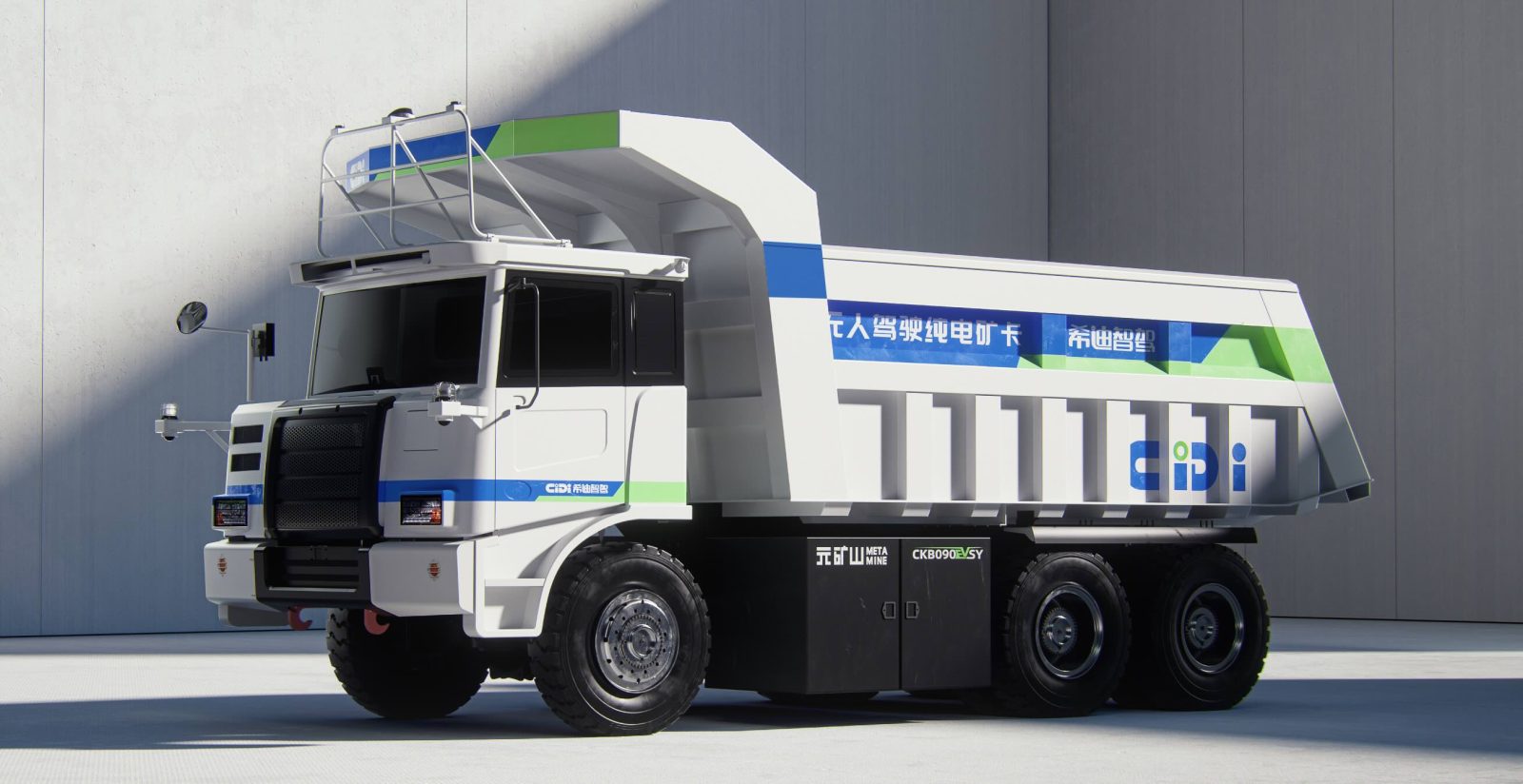
The company is also expanding beyond haul trucks. It expects to introduce equipment for transporting explosives during the third quarter of 2026, followed by autonomous drilling machines in early 2027. These are jobs where removing people from the immediate working area can have a particularly clear safety benefit.
Mining autonomy is already operating at scale
Autonomous mining trucks have existed commercially for much longer than many people realise.
Komatsu introduced its commercial autonomous haulage system in 2008. In April 2026, the Japanese equipment manufacturer commissioned its 1,000th ultra-class autonomous truck, a vehicle capable of carrying a 290-tonne payload. Komatsu says trucks using its system have moved more than 11.5 billion tonnes of material across mines in North America, South America, Australia and Europe.
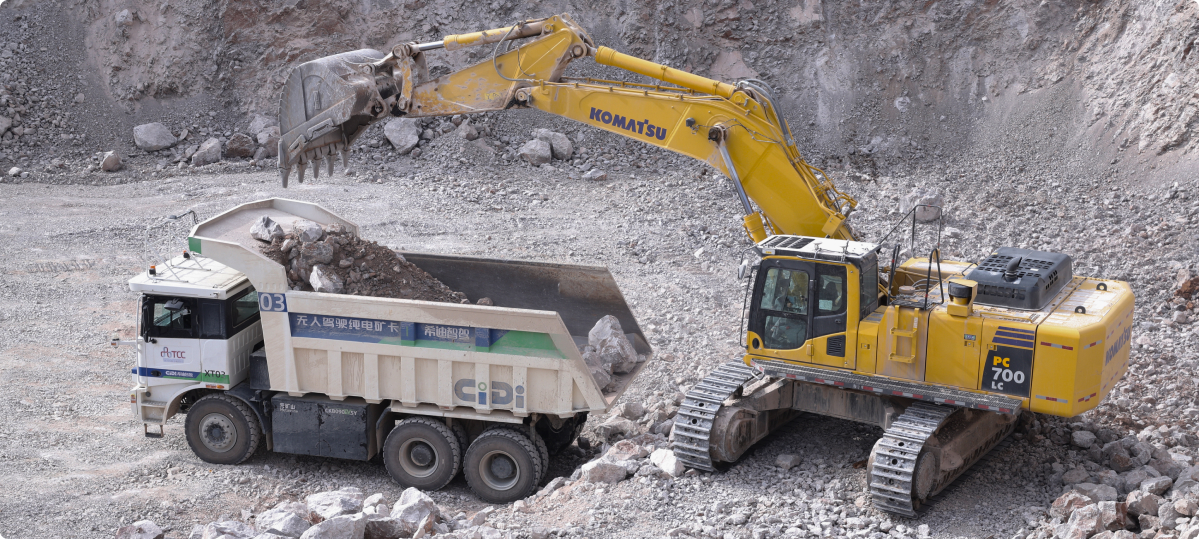
At Rio Tinto’s iron ore operations in Western Australia, approximately 90% of the haul-truck fleet is already autonomous. The trucks follow predefined GPS routes and navigate haul roads and intersections automatically. They are monitored from an operations centre in Perth, around 1,500 kilometres from the company’s Pilbara mines.
This level of adoption is still concentrated among large open-pit mines. It nevertheless shows that autonomous haulage has moved far beyond experimental demonstrations.
Why mines are easier than public roads
A mine offers conditions that are unusually suitable for autonomous vehicles.
The operator controls the roads, traffic rules, loading areas and dumping points. Routes are repetitive and can be mapped in detail. Access is restricted, and workers can be trained to follow rules designed around the autonomous system.
Public roads are much less predictable. An autonomous car must respond to pedestrians, cyclists, emergency vehicles, roadworks, unusual driver behaviour and countless other situations that the vehicle operator cannot control.
At some mines, autonomous vehicles already handle most or all of the main haulage operation. The important difference is therefore the share of daily work that can realistically be automated.
Where autonomy becomes ordinary first
Autonomous vehicles do not need to solve every possible driving situation to become commercially useful. They need an environment where the problems are limited, the routes are controlled and the savings are measurable.
Mines provide exactly that environment.
The next stage will involve expanding the technology beyond the largest iron ore and coal operations. Retrofit systems, mixed fleets and smaller electric trucks could make autonomous haulage practical for quarries, gold mines and mid-sized operators.
Public robotaxis will continue to receive more attention because people can see them on city streets. Yet the first place where autonomous driving becomes routine may be somewhere most consumers never visit.
