
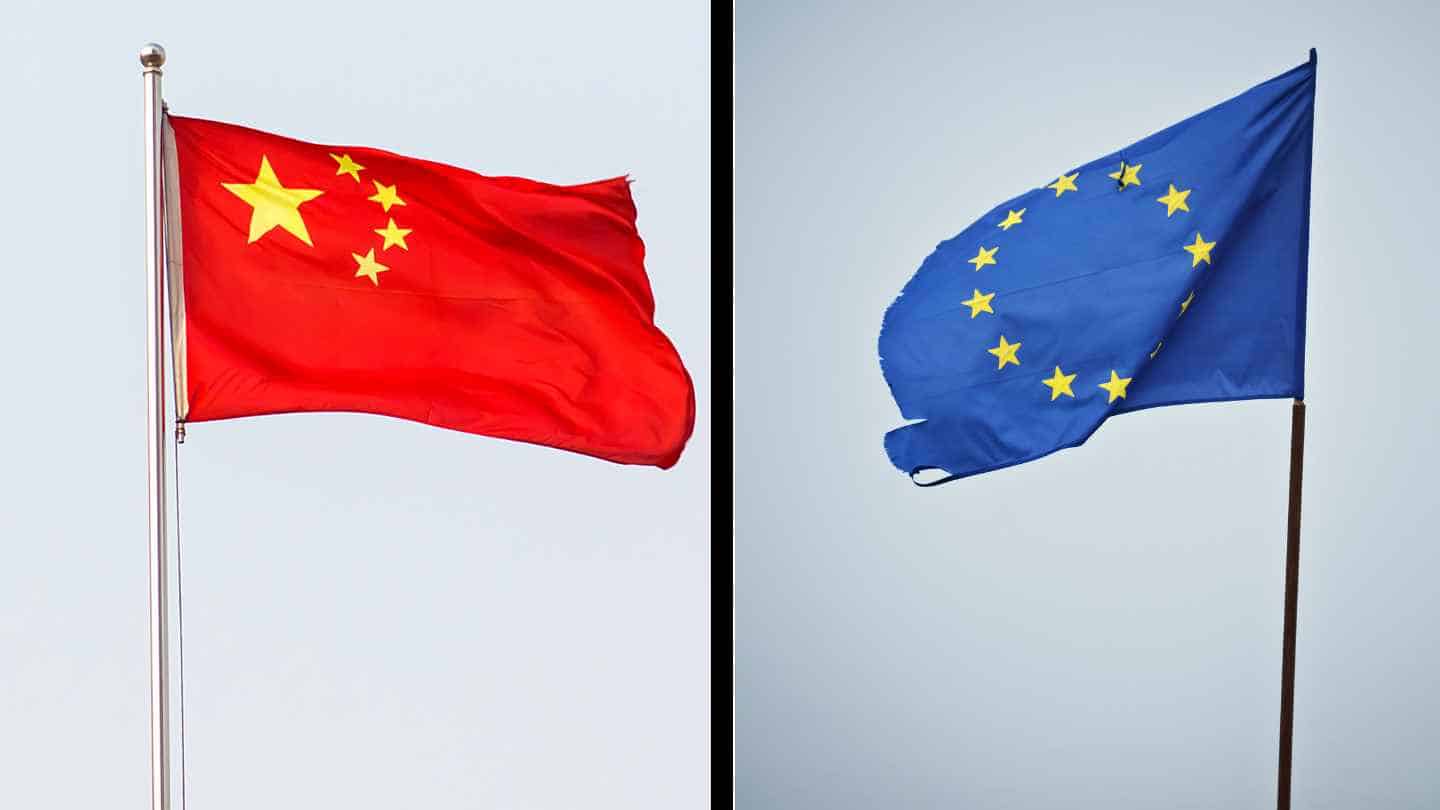
The European Union (EU) and China, two major economic powers, are locked in an escalating trade dispute over electric vehicle (EV) tariffs. Tariffs are duties or taxes that are levied on imported products.
The EU says China subsidizes its EV manufacturers, allowing them to sell them in Europe at artificially lower prices. This is an unfair practice that disrupts competition within Europe.
The EU responded to China’s subsidies by imposing duties (taxes) on imported Chinese EVs.
In response, China has filed a complaint with the World Trade Organization (WTO). It has also launched its own investigations into European imports.
This dispute highlights the economic stakes in the EV sector and the challenges of global trade relations in a time of rapid technological transformation.
Although global EV sales are currently much smaller than those of fossil fuel vehicles, it’s expected that EVs will eventually replace them entirely. In other words, EV sales will be massive in the future.
Background of the Dispute
The dispute began when the EU initiated an anti-subsidy investigation into Chinese EV imports, which concluded that Chinese manufacturers benefit from significant subsidies. These subsidies allow them to undercut European automakers.
The EU then imposed tariffs on Chinese-made EVs, ranging from 8% to over 35%, depending on the manufacturer.
These tariffs are on top of an existing 10% import duty. Notably, Chinese EV brands, including BYD, face tariffs of up to 35%, while even companies like Tesla, which manufactures some models in Shanghai, face an additional 7.8% tariff on their exports to the EU.
According to China, the EU’s new tariffs are unfair and violate WTO rules. Beijing claims that the EU’s move is protectionist, aimed at shielding European automakers from competition rather than ensuring fair trade practices.
China has responded by launching its own anti-subsidy investigations into European products such as brandy, dairy, and pork, intensifying the economic standoff between the two regions.
WTO Complaint and Diplomatic Efforts
WTO
In early November, China attempted to resolve the dispute through formal international channels – it filed a complaint with the WTO.
The WTO does not currently have enough judges in its appeals body, which hampers its ability to quickly adjudicate trade disputes.
China’s filing initiates a 60-day period for consultations. If no resolution is reached, a panel could be appointed.
The panel, which typically consists of three impartial experts selected from a roster maintained by the WTO, can investigate the dispute, issue findings on WTO rule compliance, and recommend corrective actions if rules were violated, but cannot enforce decisions.
Diplomacy
Both China and the EU have also engaged in diplomatic efforts to reach a compromise.
China has urged France and other EU member states to advocate for a fair resolution.
European officials are discussing possible solutions with Chinese officials, such as setting minimum export prices and limits on the number of goods to avoid market problems.
Implications for the EV Industry and Global Trade
This dispute could have major implications for the worldwide EV industry and for broader EU-China trade relations.
China is a major producer and exporter of electric vehicles, with a growing presence in European markets. Chinese EV companies, such as BYD, are expanding their operations in Europe, including new factories planned in Hungary and Turkey.
At the same time, German automakers like BMW, Mercedes, and Volkswagen rely heavily on China, which is a major export market for them.
The threat of a trade war, therefore, would harm both Chinese and European automakers, creating uncertainties for the EV industry on both sides.
The EU’s Stance
For the EU, the decision to impose tariffs reflects a broader concern about maintaining competitive fairness in its markets.
As mentioned earlier, European officials argue that China’s subsidies give its EV industry an artificial or uncompetitive advantage, which could threaten the future of Europe’s own EV sector.
Europe aims to achieve carbon neutrality by 2050, a goal that would be difficult to reach if its EV sector were to suffer significant damage.
If each side imposed more and more restrictions, there would be the risk of a full-blown trade war, which could disrupt global supply chains and slow the development of the green technologies that both regions seek to promote.
A Possible Path Forward
Despite the tensions, both the EU and China have expressed a desire to avoid a full-blown trade war.
The EU’s new trade chief, Maros Sefcovic, has emphasized the importance of finding a balanced solution that addresses European concerns without escalating into a prolonged conflict.
Likewise, China has indicated that it is open to dialogue and possible adjustments, though it insists on defending its EV sector.
Price Undertaking
One option both sides are considering is a “price undertaking” agreement. Minimum export prices would be set, as would export volumes of Chinese EVs to Europe.
With this approach, there would be no need for high tariffs, which could help prevent market disruption. Such an agreement, however, would require complex negotiations. It would also have to comply with WTO rules.
