
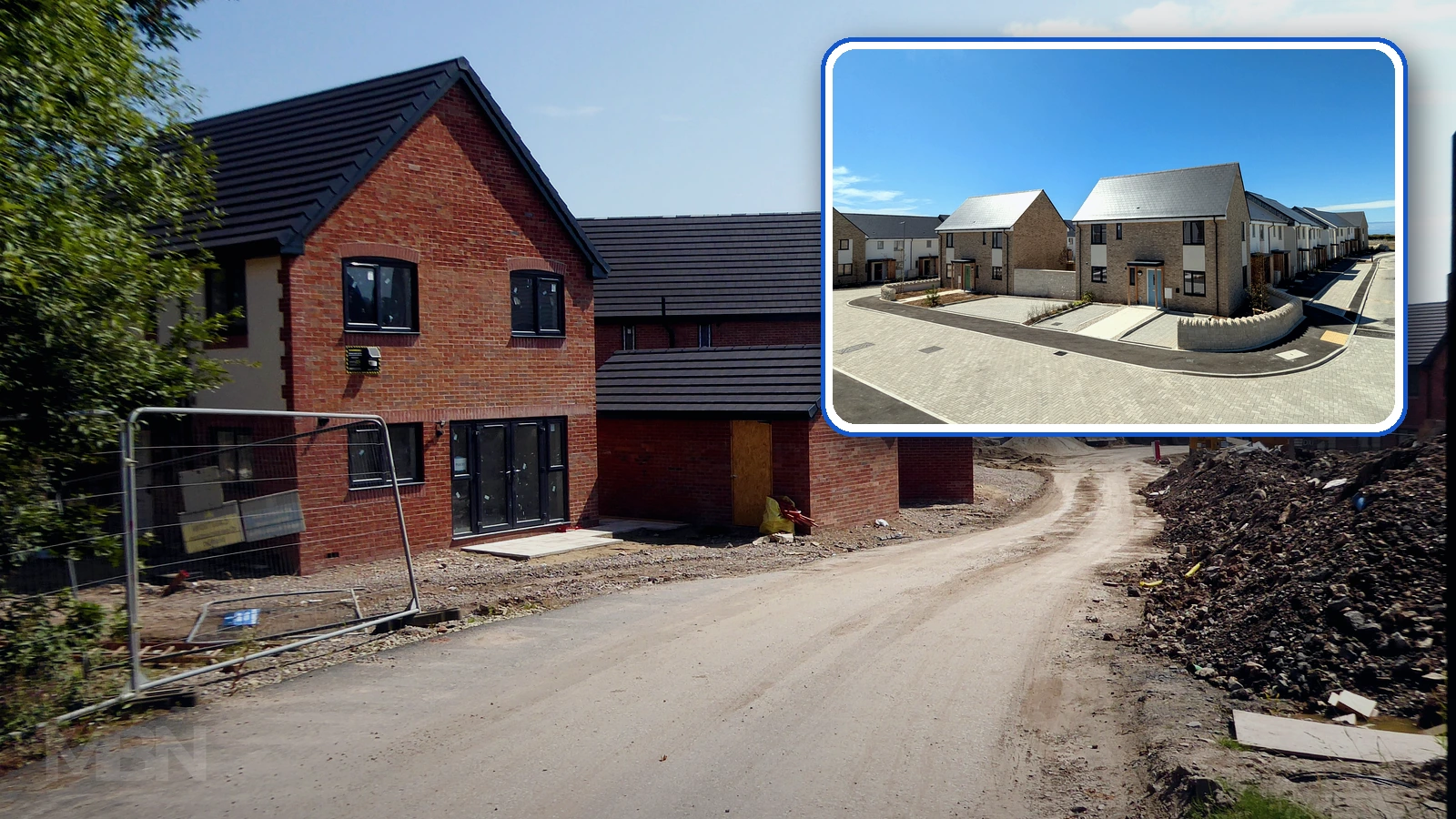
The government has allocated £9.58 billion to 33 housing providers and councils outside London to support 73,600 social and affordable homes over the next decade.
The awards are the first major allocation from England’s £39 billion Social and Affordable Homes Programme, which runs from 2026 to 2036. Nearly two-thirds of the homes covered by the new strategic partnerships are expected to be for Social Rent, according to the government announcement.
Social Rent is normally the lowest-cost form of rented housing provided by councils and housing associations. Rents are calculated using a government formula linked to local earnings and property values, rather than being set directly by the market.
The £9.58 billion is an allocation for future delivery, not money already paid against 73,600 completed homes. The strategic partners will receive long-term, programme-level funding and will be reviewed annually against their delivery plans.
Councils enter the strategic partnership programme
Most of the recipients are housing associations, but Cambridge City Council, Eastleigh Borough Council and Newcastle City Council have also become Homes England strategic partners.
Cambridge was allocated £96.4 million for 803 homes, Eastleigh received £154.4 million for 1,042 homes and Newcastle secured £141.4 million for 966 homes. The full awards are set out in the Homes England partner list.
Listed housebuilder Vistry received the maximum initial award of £350 million for 3,028 homes. The company said in a London Stock Exchange announcement that it had identified schemes on which the funding could begin to be used during the current year.
Around £2.45 billion of the wider allocation is expected to be spent within six established mayoral authority areas outside London. Mayors will set regional priorities, although Homes England retains responsibility for final funding and contractual decisions.
Delivery remains the test
The programme rules require strategic partners to connect at least half of their allocations to identified sites by 31 March 2031. Their access to additional funding will depend partly on their progress and the number of homes completed.
London is being funded separately through the Greater London Authority. The government said the capital could receive up to £11.7 billion over the programme’s lifetime, with the authority intending to offer initial allocations of at least £6 billion.
More than £16 billion remains to be allocated outside London, while around £5 billion remains unallocated in the capital. A further £46 million over three years will be used to strengthen councils’ planning, surveying and housebuilding capacity.
The Local Government Association welcomed the first allocation but said councils would also need sustained access to preferential borrowing rates to make schemes financially viable.
The scale of the housing shortage remains considerable. Shelter reported in June that more than 1.3 million households were on social housing waiting lists in England and 12,198 social-rent homes had been delivered during the latest year covered by its analysis.
The new allocations give providers greater funding certainty, but their effect will depend on how quickly they secure sites, planning permission, contractors and the additional finance needed to move from grant awards to completed homes.
