
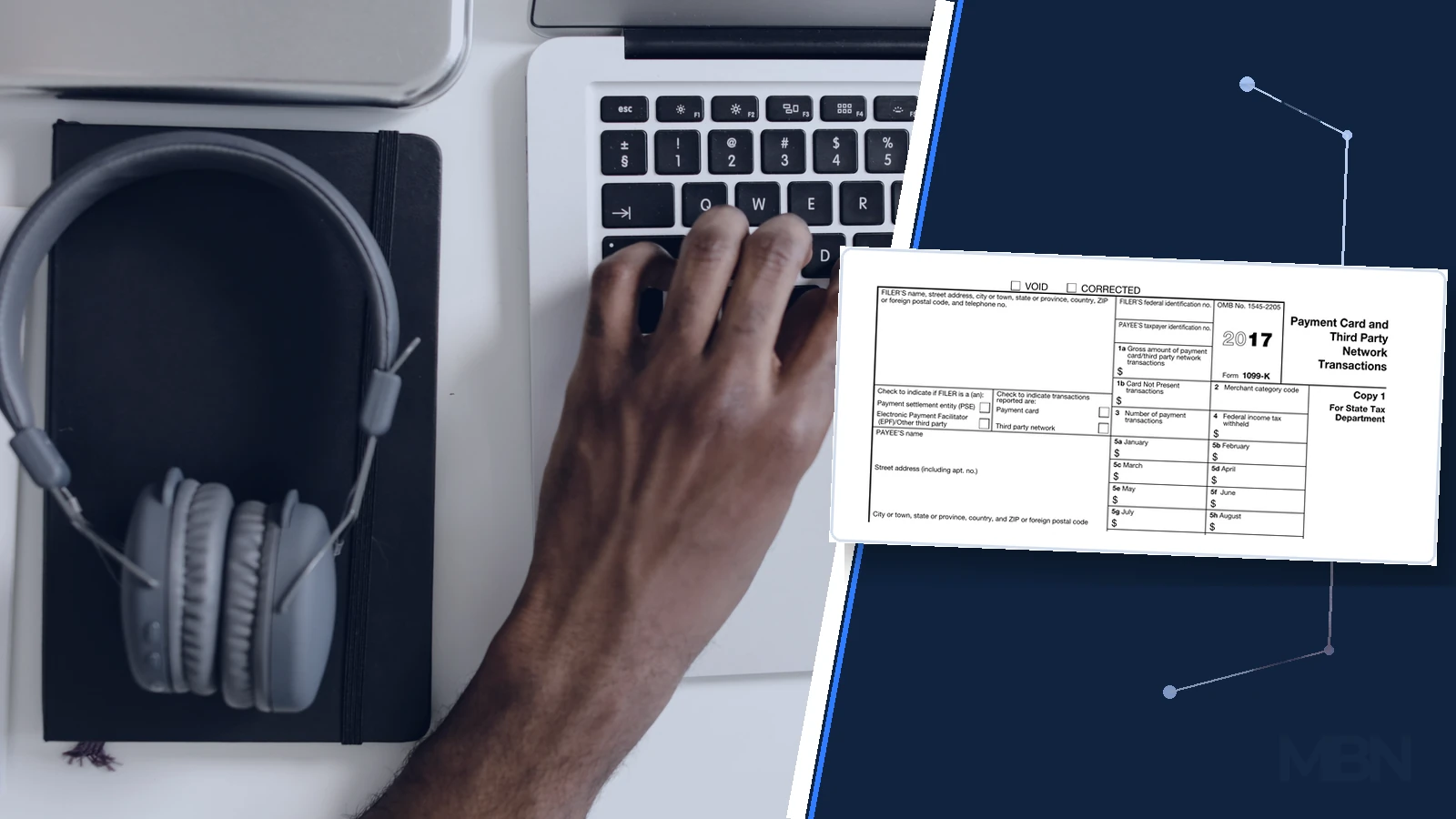
Gig workers reported about 17 cents less in self-employment profit for every dollar of platform payments that disappeared from third-party tax reports, according to a study published in the August 2026 issue of the Journal of Public Economics. The researchers estimate that a reporting gap affecting roughly 770,000 workers left $560 million in profit unreported on 2017 and 2018 income tax returns.
The figures do not measure tax evasion by today’s gig workforce. They come from a historical change in the forms issued by online labor platforms, and an earlier working-paper version appeared in May 2025.
What is new is the paper’s peer-reviewed journal publication. Its timing also matters because the United States has returned to a federal reporting threshold similar to the one at the centre of the research.
A reporting gap created a natural experiment
Andrew Garin, Emilie Jackson, Dmitri Koustas and Alicia Miller studied what happened when some online platforms changed the way they reported payments to gig workers in 2017.
Form 1099-K is an information return. A payment platform sends it to a worker and the Internal Revenue Service (IRS), giving both sides a record of the worker’s gross payments. This is known as third-party reporting because the income information comes from somebody other than the taxpayer.
Before 2017, several platforms routinely issued forms for relatively modest annual payments. When their practices changed, federal rules generally required a 1099-K only when a worker received more than $20,000 and completed more than 200 transactions during the year.
That opened what the researchers call the 1099-K gap. Many workers earning between $600 and $20,000 stopped receiving a federal information return even though their income remained taxable.
Massachusetts and Vermont retained much lower state reporting thresholds. The researchers used those state filings to identify workers missing from the federal forms and compared people in the same local labor markets on opposite sides of the Massachusetts border.
This design gave them a way to separate the effect of third-party reporting from other differences between workers. Two people living near each other could perform similar platform work while facing different reporting requirements because they lived in different states.
The form changed reported profit, not filing decisions
Receiving a 1099 did not make workers significantly more likely to file an income tax return. The difference appeared in what existing filers reported.
Each additional dollar recorded on a 1099-K increased self-reported net earnings by about 17 cents, the researchers found. Put the other way around, every dollar removed from third-party reporting was associated with 17 cents less reported profit.
That result should not be interpreted as evidence that workers concealed the other 83 cents. A 1099-K records gross platform payments, whereas business profit is calculated after allowable expenses. The study estimates how reporting changed when the information return was present, not how much of every payment should ultimately have been taxable.
Nor can the research identify one explanation for every worker’s response. A form can act as a reminder, make annual payments easier to calculate and tell the recipient that the IRS has received the same figure. All three may affect what reaches a tax return.
Using the Massachusetts and Vermont data to estimate the national platform workforce, the authors calculated that about 770,000 workers lost information returns in 2017 and 2018. They then estimated that $560 million in profit went unreported as a result.
That is not an estimate of $560 million in lost tax revenue. Profit and tax liability are different quantities, and a person’s eventual tax bill depends on income, deductions, credits and other circumstances.
Missing forms can also distort gig-work statistics
The reporting gap created a second problem. Government agencies and economists use information returns to estimate how many people are earning money through online platforms.
If a worker no longer receives a 1099, that person can disappear from a dataset even while continuing to perform the same work. A change in paperwork can therefore look like a change in the labor market.
“The answer matters for both the IRS’s ability to collect revenue and our ability as researchers to measure the size and scope of the gig economy,” Garin said in a Carnegie Mellon account of the research.
This measurement problem reaches beyond tax administration. Governments use labor-market data when assessing employment patterns, worker protections and the scale of self-employment. A reporting rule can alter those statistics without changing the amount of work being done.
The federal threshold is relevant again
The American Rescue Plan Act of 2021 sought to lower the federal Form 1099-K threshold substantially. Implementation was delayed and modified before federal legislation changed direction again in 2025.
Under the restored rule, third-party settlement organisations generally must issue a 1099-K when annual payments for goods or services exceed $20,000 and the payee has more than 200 transactions. The IRS explains the current threshold and notes that states may impose lower requirements.
The threshold governs whether a platform must send the form. It is not a tax-free allowance. The IRS Gig Economy Tax Center says workers must report taxable gig income even when they receive no information return.
This leaves policymakers with a trade-off that the study helps quantify but does not settle. Higher reporting thresholds reduce paperwork for platforms and taxpayers. They may also reduce reported income and make parts of the gig economy harder to measure.
The findings cannot show which federal threshold produces the best balance, because the study did not measure the full administrative cost of issuing forms. They also concern platform workers in 2017 and 2018, so the 17-cent estimate should not be treated as a fixed rule for every freelancer or for the gig economy in 2026.
What the study does establish is narrower. The legal obligation to report income did not change, but the amount appearing on tax returns did. A form that looks like routine paperwork can materially alter both tax compliance and what government statistics say about the way people work.
