
Syngenta AG rejected a $45 billion takeover offer from its US agrochemical and agricultural biotech rival Monsanto Co. A takeover occurs when one company buys another, i.e., an acquisition. It is different from a merger, in which the two equal entities ‘get married.’
This is the second time that Switzerland-based Syngenta has rejected an offer from Monsanto.
On June 7 Monsanto made an offer to acquire Syngenta for $477.87 a share, which the St. Louis-based company said represented a 43% premium to Syngenta’s share price prior to reports of a potential deal in April.
The only difference between the first offer (made on April 18) and this latest one is the addition of a $2 billion break free.
Syngenta said that the latest offer “represents the same inadequate price, same inadequate regulatory undertakings to close, same regulatory risks and same issues associated with dual headquarters’ moves.”
“The only change by Monsanto is to add a wholly inadequate reverse regulatory break fee,” Syngenta added.
This is probably not the last bid that Monsanto will make.
The fact that it has made two offers in such a short period suggests that the company is interested and set on buying out its Swiss rival.
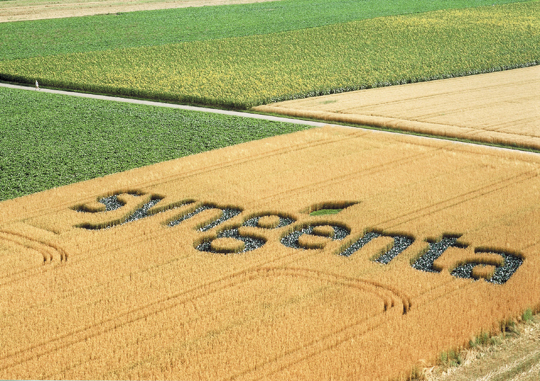
Acquiring Syngenta would give Monsanto a broad portfolio of selective herbicides, non-selective herbicides, fungicides, and insecticides.
According to Bloomberg, people familiar with the matter said last week that Syngenta would only enter talks if Monsanto increased its offer and added a “multibillion-dollar termination fee”.
Monsanto Chairman and Chief Executive Officer Hugh Grant said in a statement:
“It is disappointing that Syngenta has not engaged in substantive discussions about the many benefits of this combination,”
Grant said that Monsanto is committed to “pursuing constructive conversation with Syngenta’s management and board.”
