
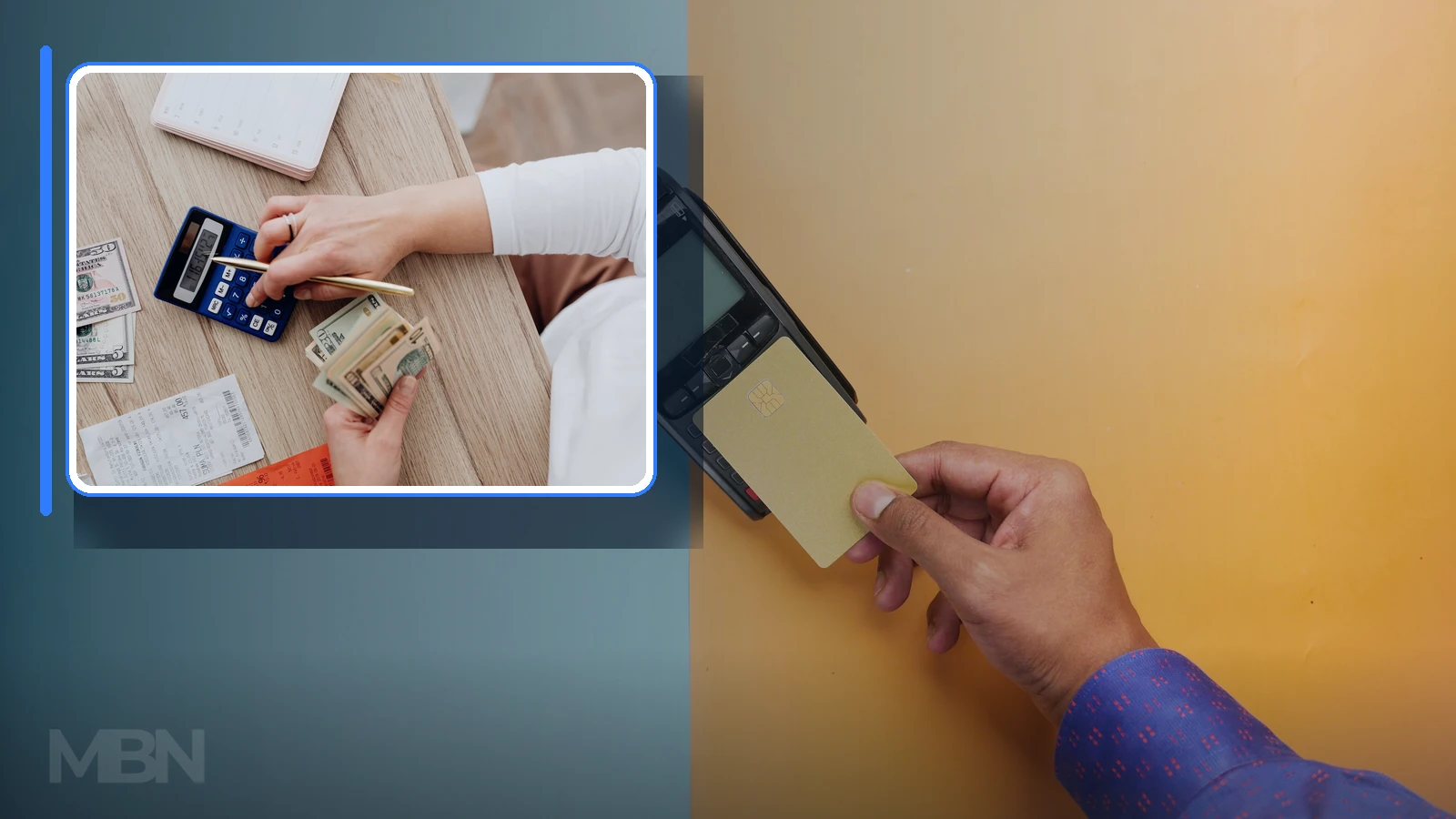
A $4 purchase made every weekday costs $1,040 over 52 weeks. The multiplication is simple. The harder part is recognising that 260 separate decisions belong to the same financial pattern.
A television costing $1,500 is likely to receive careful attention. A coffee, app subscription or small online order may not feel important enough to analyse. Yet a household budget records the accumulated total, not how harmless each transaction seemed at the time.
This does not mean that inexpensive pleasures are the main cause of financial difficulty. In the United States, housing and transport together accounted for just over half of average household spending in 2024, according to the Bureau of Labor Statistics. For many families, rent, mortgage payments, transport, food, healthcare and debt leave much less room for adjustment than a few discretionary purchases.
The narrower point is that low prices can conceal high frequency. Behavioural research helps explain why people may notice the transaction but miss the pattern.
How mental accounts can hide a repeated pattern
Suppose someone spends $7 on a snack and drink after work. The question that naturally presents itself is whether the purchase is worth $7. The less obvious question is whether the repeated habit is worth $140 over 20 working days.
Both questions are valid, but they use a different unit of attention. One considers a single transaction. The other considers a rule that may repeat.
This distinction matters because the alternative use of money is often easier to see with a large purchase. Economists call that alternative an opportunity cost. Money used for one purpose cannot also be used for another purpose, such as reducing debt, building an emergency fund or paying for something else.
A $7 opportunity cost can appear negligible. A recurring $7 opportunity cost may not be. Nothing about the individual price has changed. What has changed is the time frame.
Economist Richard Thaler used the term mental accounting to describe how people mentally organise gains, losses and spending. Instead of treating all money as one perfectly interchangeable pool, a person may think in categories such as groceries, entertainment, holidays and savings.
That makes a complicated financial life easier to manage. A grocery budget can stop the rent money being spent at the supermarket. A holiday fund can make a future trip possible.
The same shortcut can also narrow the comparison. A small purchase may be judged against a small mental category, such as a treat or an app, rather than against total disposable income. Several individually defensible purchases can then produce a monthly total that no single decision seemed capable of creating.
This is why a useful spending review asks two questions. Was the item worth its price? How often did that kind of decision occur?
Optimistic budgets can still change behaviour
Budgets are not always accurate forecasts. A Journal of Consumer Research study by Marcel Lukas and Ray Charles Howard examined naturally occurring data from a UK personal finance app, a field experiment with members of a Canadian credit union and a financial diary study in the United States.
The researchers found that compliance was generally weak because the budgets people set were highly optimistic. Spending often remained above the stated limit.
That did not make budgeting pointless. Lower budgets were still associated with lower spending, and the app users in the study continued to reduce their spending six months after setting a budget.
The distinction is important. A budget can influence behaviour even when it fails as a precise prediction. But a target based on what someone thinks they should spend can hide the distance between the plan and what actually happens.
The first task, therefore, is measurement. The US Consumer Financial Protection Bureau advises looking back over several months of bank and card records, including less frequent items, before drawing up an accurate current budget. A realistic starting point and a future target are not the same thing.
The exceptional expense that keeps returning
Every month can contain a different surprise. One month it is a birthday. The next it is a car repair, a dental bill or a broken appliance. Each item is unusual, but unusual spending as a broad category may be quite regular.
That is the problem identified by Abigail Sussman and Adam Alter in their 2012 paper, The Exception Is the Rule. Across seven studies, participants were comparatively good at predicting ordinary expenses. They underestimated exceptional spending overall and overspent on individual exceptional purchases.
The researchers found that people partly created the error by categorising each exceptional expense too narrowly. A wedding gift and a repair bill felt like unrelated events, so each was treated as a unique occurrence rather than as part of a recurring class of irregular costs.
A budget does not need to predict which surprise will happen. It can make room for the more defensible prediction that some irregular expense will happen. This turns a series of surprises into a category that can be funded.
Cashless payments alter the experience of paying
Cash makes the loss visible. Notes and coins leave the buyer’s hand. A card or phone can complete the same purchase with a tap, while the financial record appears later among many other entries.
A 2024 meta-analysis in the Journal of Retailing combined 392 effect-size estimates from 71 papers. It found a small but statistically significant cashless effect, meaning that spending tended to be higher with cashless methods than with cash.
The result is an average across different countries, methods and research designs. It does not show that every card user overspends, or that using cash would solve a particular household’s financial problems. The authors also found that the effect had generally weakened over time as cashless payment became more familiar.
Related research examines the pain of paying, the negative feeling associated with giving up money. In a large survey of Dutch consumers, electronic payments were generally perceived as less painful than cash. Participants also viewed cash as most helpful in preventing overspending and contactless payment as least helpful.
That study measured perceptions and associations, not a universal causal effect on spending. It also found differences by payment method, age, transaction size and type of purchase. This does not mean that digital payments are bad. It means that convenience can remove signals that once made spending easier to notice.
Subscriptions move the decision away from the payment
A normal purchase usually requires a decision at the moment of payment. An automatically renewed subscription requires an initial decision, after which billing can continue without another purchasing action.
Streaming, software, storage and membership services can all be worthwhile. The relevant difference is structural. Starting requires a yes; stopping requires the customer to notice the charge and act.
The Consumer Financial Protection Bureau explains that an automatic payment authorises a company to withdraw money on a recurring basis. It recommends checking the amount, frequency and timing of transfers and monitoring the account to ensure they match the agreement.
Payment design can also influence the original buying decision. A 2026 Journal of Retailing study found across four field and online experiments that making payment options more prominent on a product page increased purchase likelihood. The authors’ evidence indicated that visible options encouraged shoppers to imagine completing the payment process.
This reveals two distinct forces. Making payment easy can reduce friction, while making payment options noticeable can bring the act of buying mentally closer. For retailers, those design choices can support conversion. For consumers, they can make a purchase feel ready to complete before its cumulative cost has received equal attention.
The practical unit is the pattern, not the coffee
Examining every minor transaction would create a different problem: the time and effort could exceed any saving. Nor should a discussion of small purchases distract from high housing costs, medical bills, insecure income or expensive debt.
A more proportionate approach is to review repeated categories rather than police every cup of coffee. A monthly statement can show how much was spent on takeaway drinks, delivery fees, small online orders or services that renew automatically. Annualising the total then reveals whether the category deserves attention.
Irregular costs need a separate test. Instead of asking whether a particular repair or celebration is likely next month, a household can look at the total spent on irregular items over the previous year and build a monthly allowance from that evidence.
The central insight is that price and importance are not the same thing. A small purchase may be financially small. A repeated rule, an automatic renewal or a succession of so-called exceptions may not be.
Before dismissing a transaction as only a few dollars, the more revealing question is whether it is really one purchase at all.
