
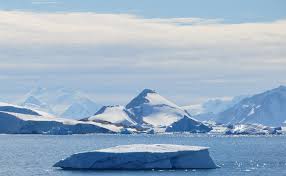
The ice sheet in West Antarctica is melting at an extremely alarming rate. According to a recent study published in the journal Geophysical Research Letters, antarctic glaciers are losing ice equal to Mount Everest every two years.
The researchers used four sets of satellite estimates to determine how much ice was lost in the Amundsen Sea embayment from 1992 to 2013.
They found that the increasing liquefying rate has resulted in glacial masses pouring around 83 gigatons of mass (91.5 billion U.S. tons) into the Amundsen Sea per year, with the rate rising by an average of 6.7 billion tons yearly since 1992.
Study co-author Isabella Velicogna, a scientist with the University of California and NASA said:
“The mass loss of these glaciers is increasing at an amazing rate”.
She added:
“We have an excellent observing network now. It’s critical that we maintain this network to continue monitoring the changes because the changes are proceeding very fast.”
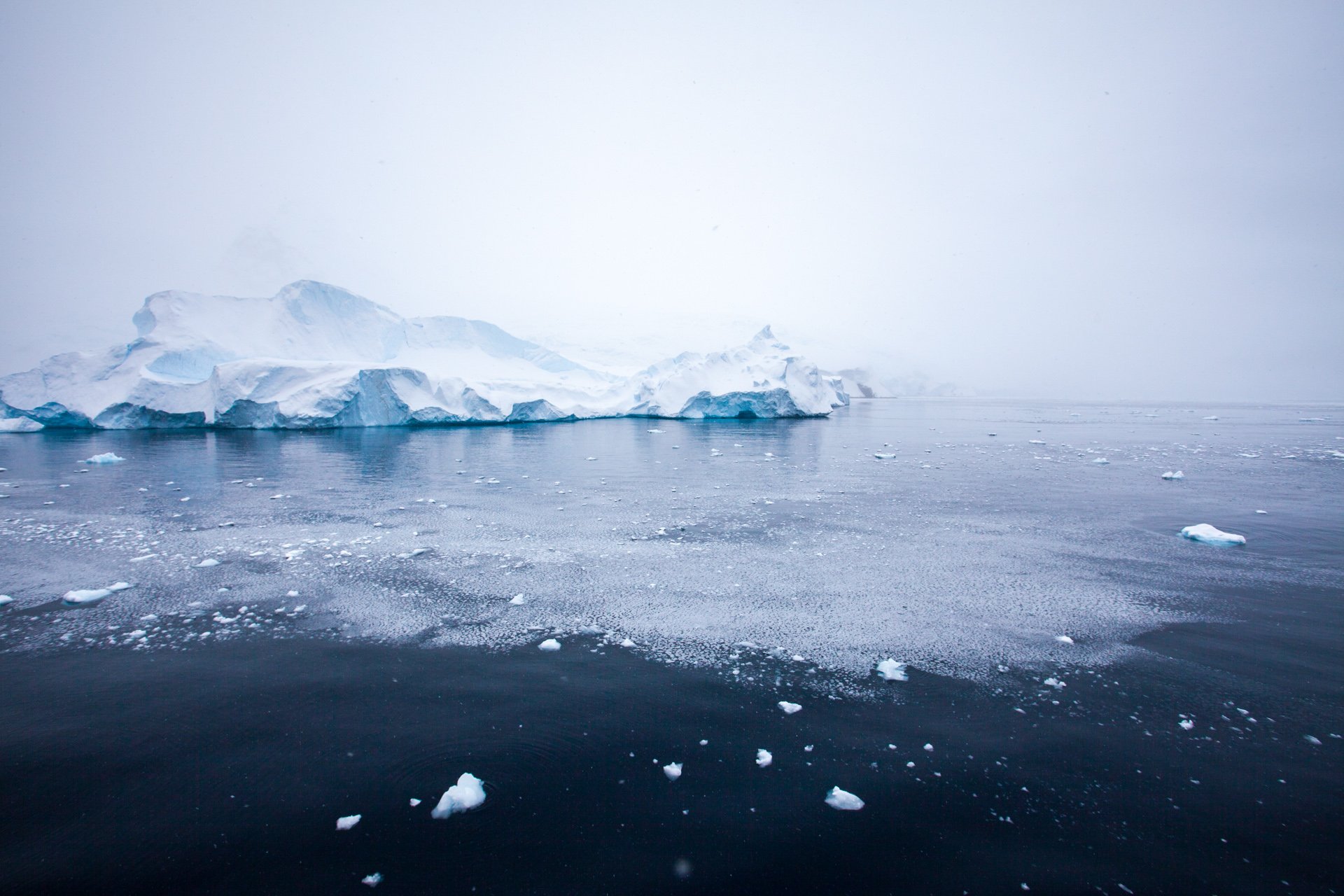
Scientists believe that if this rate of melting continues, the entire ice sheet will disappear in around 200 years and cause sea levels to rise by 16 feet.
What is most worrying is the melting of Pine Island ice sheet, a large ice stream flowing west-northwest along the south side of the Hudson Mountains into Pine Island Bay. This ice mass does not have a floating shelf, which means that it has a huge outflow into the sea.
The Pine Island ice sheet has been withdrawing for a while now and scientists expect it will contribute to increasing sea levels by 3.5 to 10 millimeters over the next two decades.
Glaciologist Eric Rignot, of the University of California, estimates that as this glacier melts away and flows into the sea there will be a 1.2 meter increase in oceans levels in the next 200 years.
While the western region of Antarctica is losing ice, the larger east Antarctic ice sheet appears to be picking up mass through more snowfall. An evaluation by UN’s Intergovernmental Panel on Climate Change shows that the loss of ice in the west is occurring at a faster rate than development in the east.
