
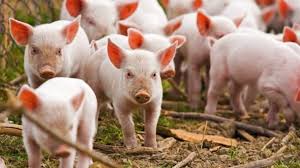
piglets

Pork prices may drop as farms rebound from virus and stocks surge

Written by Joseph Nordqvist

Published: 00:01, October 12, 2014

Last year millions of baby pigs died due to a virus which increased the price of pork. However, high temperatures over the recent summer and the improvement of biosecurity management has reduced the number of piglet virus incidents.

With farmers establishing new health protocol, along with warmer weather and sunshine, the number of incidents of the virus has dramatically fallen – the virus does not spread as much in warmer temperatures.

Entire litters of baby pigs were dying because of the porcine epidemic diarrhea virus, subsequently decreasing pork supplied and increasing the price of pork. According to the USDA, the price of pork was $4.20 per pound in the week of Aug. 14 – 11 percent higher than the year before, at $3.76 per pound.

According to a U.S. Department of Agriculture report, supplies are now up significantly, with a total of 5.46 million new baby pigs born between June and August in Iowa, America’s number one producer. This represents the highest quarterly total in more than 20 years – with a record 10.7 pigs surviving per litter.

With the cost of feed decreasing along with the virus being maintained, pork producers in the US can expect to profit around $60 per animal – an all time high. The average profit per animal over the past two decades has only been $10.50.

The U.S. Department of Agriculture has said that producers are increasing their stock by thousands, in what appears to be an attempt to take advantage of the rise.

A surge of stock increases should push down the profit per animal down to around $30 in 2015.

Purdue University economic professor, Chris Hurt, said it takes almost half a year for a pig to reach market weight. Therefore, the increased supply could mean a slight drop in consumer prices this winter and a more noticeable drop in spring.

Joseph Nordqvist Avatar

Other News

AI system helps robots perform learned tasks up to 3.2 times faster

Aug 8, 2026

Meaningful work may come from accepting career uncertainty

Aug 8, 2026

Nvidia reportedly plans up to $3 billion investment in Lancium

Aug 8, 2026

Why businesses are being urged to prepare for tighter microplastics rules

Aug 7, 2026

Retiring a working gasoline car for an EV can cut lifetime emissions, study finds

Aug 7, 2026

U.S. businesses produced more per hour, but labor’s share of output hit a record low

Aug 6, 2026

Researchers test continuous method for making leather-like fabric from fungal mycelium

Aug 6, 2026

U.S. renters expect to move less as homeownership feels further out of reach

Aug 6, 2026

CEO confidence turns positive as pessimism recedes, but investment remains cautious

Aug 6, 2026

Digital tools could reshape women’s entrepreneurship, suggest researchers

Aug 5, 2026

Success can make people learn less from their own mistakes, study suggests

Aug 5, 2026

Shopify data suggests AI search is giving niche products a new route to customers

Aug 5, 2026

Customer data is moving deeper into pricing decisions

Aug 5, 2026

Texas pauses data-center grid connection approvals as power queue reaches 474 gigawatts

Aug 4, 2026

Japan tests whether carbon pulled from seawater can fuel planes

Aug 4, 2026

Expressive robots engage people more, but their mistakes carry a higher social cost

Aug 4, 2026

Employees reported a better work experience after hybrid work was introduced

Aug 4, 2026

Tomato gene helps plants recover after drought in controlled tests

Aug 4, 2026

New process could reduce the need to purify factory carbon dioxide before reuse

Aug 4, 2026

More novel drugs gained revenue faster in the U.S. after 2013

Aug 3, 2026