
Cryoport, which provides temperature-controlled supply-chain services and equipment to life-science companies, reported second-quarter revenue of $49.0 million, up 7.7% from a year earlier. Its Life Sciences Services revenue rose 14.8%, providing a recent measure of demand for the infrastructure used to move and store sensitive medical products.
BioStorage and BioServices revenue increased 24.8% to $5.6 million. Cryoport also said that, at the end of June, it was supporting 779 clinical trials and 22 commercially approved cell and gene therapies. The figures are available in the company’s second-quarter filing with the U.S. Securities and Exchange Commission.
Growth does not mean this is an easy business. Cryoport recorded an $8.3 million loss from continuing operations, although that was narrower than its $12.0 million loss in the same quarter last year. Revenue from its Life Sciences Products division slipped 0.4% to $21.0 million.
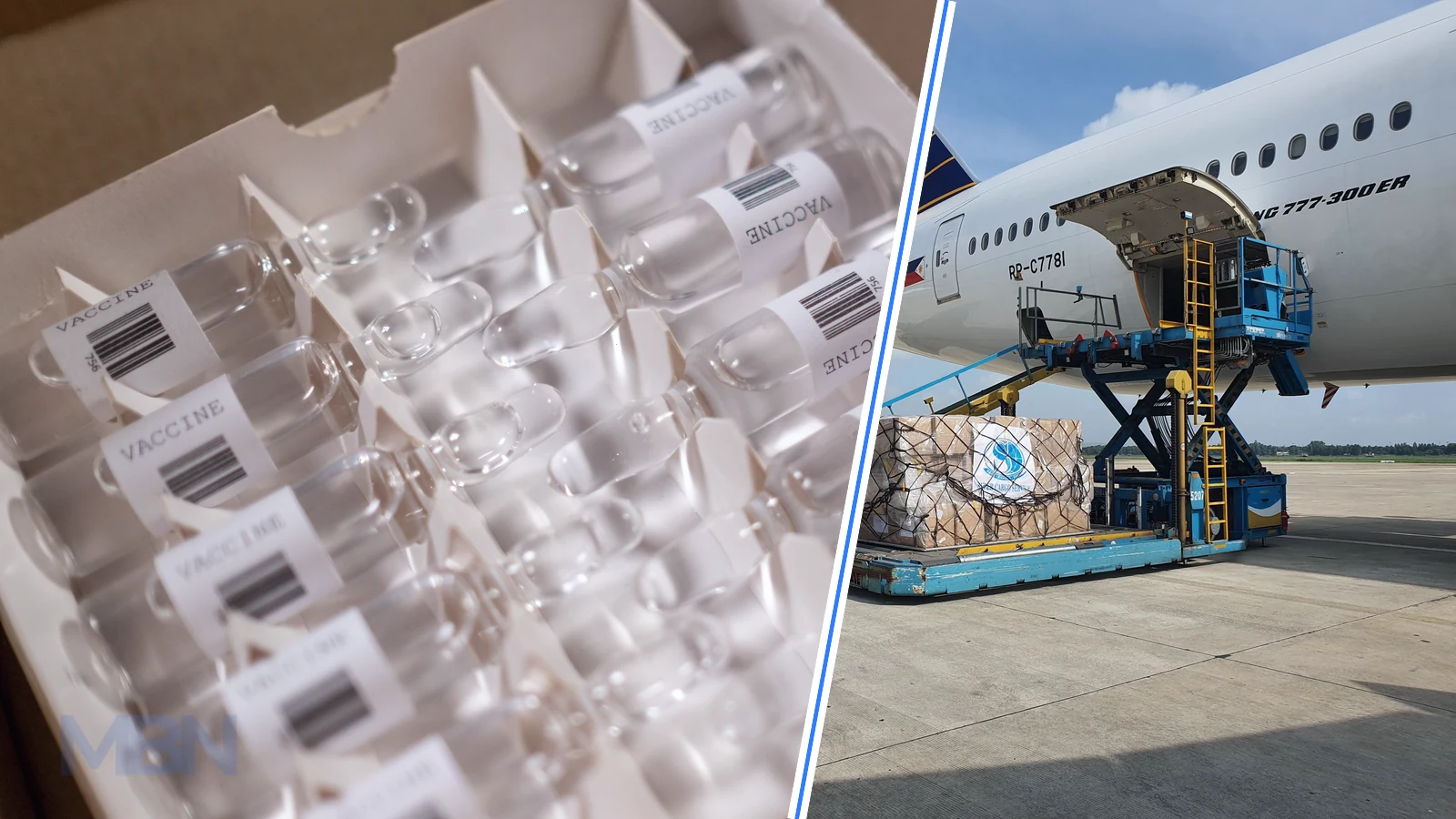
A temperature-sensitive medicine can cross several borders and pass through factories, warehouses, trucks, airport terminals and aircraft before reaching a hospital or pharmacy. A problem at any one of those points can leave the recipient unable to show that the product is still suitable for use.
This is the pharmaceutical cold chain: the system used to store and transport medicines within the conditions specified by their manufacturers. Despite the name, it covers more than refrigerated products. Some logistics companies use the term for controlled-temperature services that include room-temperature ranges, chilled goods and frozen shipments.
A cold chain is more than a refrigerator
The required temperature depends on the product. Many vaccines are kept between 2°C and 8°C, while other medicines may require frozen storage or a controlled range such as 15°C to 25°C. The manufacturer’s stability data and approved labelling determine what is acceptable for each medicine.
World Health Organization guidance covers the entire route, including customs clearance, temporary airport storage, loading areas, refrigerated vehicles, shipping containers and monitoring systems. Local laws still take precedence, but the guidance makes the operating problem clear: controlling one warehouse is not enough if the next handover is poorly managed.
A shipment may leave a drug factory in qualified packaging, travel by road to an airport and wait with a ground handler before loading. It may then change aircraft, pass through customs and continue with a local distributor. Each transfer involves different people, equipment and procedures.
That is why a cold-chain operator sells more than transport. Customers are also paying for trained staff, validated equipment, backup plans, traceability and a record of the conditions experienced by the product.
Advanced medicines raise the cost of failure
The International Air Transport Association says the pharmaceutical industry moves more than $1 trillion worth of cargo each year. The figure refers to the value of the products being moved, not the revenue earned by airlines or logistics companies.
The mix of that cargo is also changing. According to IATA’s April 2026 assessment, biologics, reagents, and cell and gene therapies account for a growing share of pharmaceutical air freight. These products can be lighter than conventional shipments but more expensive and less tolerant of delays or handling errors.
Biologics are medicines made using living cells or organisms. Cell and gene therapies can go further by modifying cells or genetic material. Some treatments are made for an individual patient, which can require the patient’s material to travel to a processing site and then return for treatment.
In such cases, the logistics record may need to show both where the shipment has been and whose material it contains. Speed, identity and temperature control become parts of the treatment process rather than ordinary delivery preferences.
Not every biologic or advanced therapy uses the same temperature range, and a product should never be assigned a storage condition simply because it belongs to a broad category. However, the growing number of sensitive and high-priced treatments increases demand for logistics services that can follow precise product instructions.
UPS targeted the handover points
In June 2026, UPS announced a $48 million investment in 27 temperature-controlled freight cross-dock facilities across the Americas, Europe and Asia.
A cross-dock is a transfer facility where goods move between vehicles or transport modes, usually with little long-term storage. In this case, healthcare shipments can move between aircraft and road vehicles while remaining within specified conditions.
UPS said the facilities would handle requirements including 2°C to 8°C, 15°C to 25°C and frozen conditions. The locations are intended for short-term storage and transfers rather than conventional warehousing.
This choice of investment is revealing. Building another refrigerated warehouse would add storage space. Improving a cross-dock addresses a different problem: the moment when responsibility, transport mode and handling team may all change at once.
Cold-chain capacity therefore cannot be measured only in cubic metres of refrigerated space. Useful capacity requires the right facility on the right route, connected to suitable vehicles and staffed by people who can handle the product correctly. Spending heavily on one section of the route may simply move the bottleneck to the next unprepared location.
Monitoring creates a second layer of business
Temperature-control systems must do two jobs. They have to keep a product within its specified limits and provide evidence of what happened while it was outside the manufacturer’s direct control.
That creates demand for data loggers, sensors, alarms, communications equipment and software. A truck may arrive at the correct temperature, but that reading alone cannot prove that its cargo avoided excessive heat or freezing earlier in the journey.
WHO guidance on transport monitoring says participants should be able to provide documentary evidence that a pharmaceutical product stayed within acceptable time, temperature and humidity limits set from the manufacturer’s stability data.
Connected devices can also give operators a chance to act before arrival. If a sensor reports a rising temperature or an unexpected delay, a logistics team may be able to move the shipment, replenish a cooling system or arrange alternative transport. The data is useful because it is linked to people and equipment able to respond.
Regulation changes how logistics companies compete
For pharmaceutical companies, the cheapest freight rate may be a poor bargain if the provider cannot demonstrate proper handling. Documentation, employee training and regulatory knowledge can therefore influence purchasing decisions alongside cost and speed.
IATA created its CEIV Pharma certification programme to establish consistent requirements for pharmaceutical handling across facilities, equipment, operations and staff in air cargo. Certification does not remove every risk, but it gives drugmakers a common way to assess organisations that may operate under different national rules.
Distribution is also treated as part of pharmaceutical quality control. In the United States, Food and Drug Administration guidance for active pharmaceutical ingredients says products should be transported without harming their quality and that contractors should know and follow the required storage conditions.
This raises the financial cost of mistakes. A failed shipment may mean more than replacing the medicine. It can delay treatment, consume scarce manufacturing capacity and require an investigation before the parties know whether the product can be released or must be discarded.
The opportunity is particularly large where pharmaceutical production is expanding faster than transport infrastructure. However, installing refrigeration alone does not create a pharmaceutical-grade network. Operators may also need backup power, qualified packaging, trained staff, secure handling and reliable monitoring across the full route.
The next phase of cold-chain investment is therefore likely to combine physical assets with better information. Warehouses, containers and vehicles keep products within range. Sensors and records show whether they did so. The companies that can provide both, through every handover, have a stronger claim on some of the pharmaceutical industry’s most demanding shipments
