
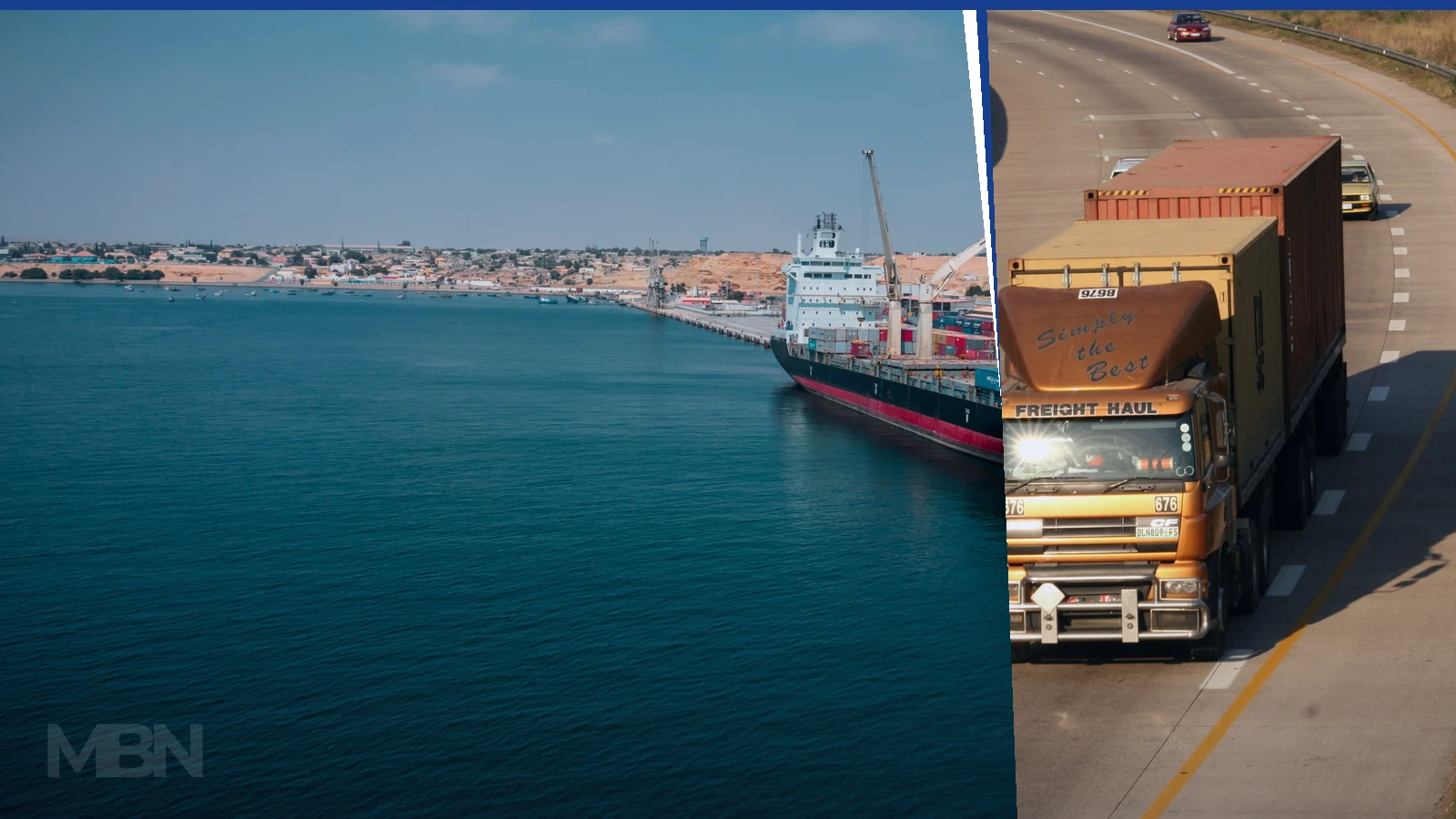
African governments could lower much of the cost of trading across the continent by reforming customs, transport, services and standards at home, the World Bank has said.
About 60% of Africa’s estimated trade costs arise from unilateral or “behind-the-border” barriers, according to the World Bank’s report released on 28 August.
Behind-the-border barriers are costs created inside a country. They include customs delays, weak logistics, transport restrictions, incompatible standards, limits on services and inadequate infrastructure.
The report, Integrating Africa: From Threads to Hubs, argues that many of the next gains from the African Continental Free Trade Area will depend on implementing existing commitments and connecting the systems businesses use every day.
The African Continental Free Trade Area, known as AfCFTA, is intended to create a single continental market for goods and services. Its effect on commerce will depend partly on whether customs platforms, payment systems, transport networks and product standards can work across national borders.
Most trade costs can be tackled nationally
The World Bank recommends electronic customs windows, inspections based on risk, more competitive freight markets, simpler rules of origin and stronger standards institutions.
Rules of origin determine where a product was made and whether it qualifies for preferential treatment under a trade agreement. If the rules are difficult to apply, firms can face extra paperwork even when tariffs have been reduced.
Governments could also open transport, telecommunications, financial and professional services to greater competition. These industries affect whether manufacturers can move goods, receive payments, obtain finance and hire specialists across borders.
“Africa has a continental free trade agreement. The focus is now implementation,” said Ndiamé Diop, the World Bank’s vice-president for Eastern and Southern Africa.
National action cannot remove every obstacle. Shared transport corridors, cross-border payment systems, regional power markets and recognition of qualifications require governments and regional institutions to work together.
Services reforms could lift regional trade
Trade within the region currently accounts for roughly one-fifth of Sub-Saharan Africa’s total exports, the World Bank said.
Deeper liberalisation of transport, telecommunications, financial and professional services could increase services trade within the AfCFTA area by about 60% to 64% by 2035.
The estimate is a modelled outcome under deeper liberalisation, not a forecast of what will happen under current policies. Governments would still have to adopt and enforce the reforms.
Regional trade also differs from much of Africa’s commerce with the rest of the world. The World Bank’s report overview says trade between African economies is more diversified and more manufacturing-intensive, while exports to global markets remain concentrated in commodities.
That composition places regional integration close to industrial policy. Connecting suppliers and factories across borders could link mineral extraction with processing, farming with food manufacturing, and renewable electricity with industrial centres. Larger regional markets could also give firms enough demand to invest and specialise.
Implementation becomes the measure of progress
The report groups its recommendations into four areas: regional production networks, lower trade frictions, deeper enforcement of trade agreements and shared infrastructure such as transport corridors, power markets and digital networks.
It was published as international trade showed renewed momentum. As we reported in our recent coverage of G20 trade, merchandise imports across the group rose by 6.7% in the second quarter of 2026, while exports increased by 5.9% in current US dollars.
The OECD aggregate excluded African Union members apart from South Africa, offering little evidence about commerce within the continent. The World Bank report addresses a separate question: how African economies can build stronger production and trading relationships with one another.
The Bank recommends judging progress through shorter border-crossing times, lower logistics costs, more reliable infrastructure, fewer unresolved non-tariff barriers and greater participation by companies in regional supply chains.
