
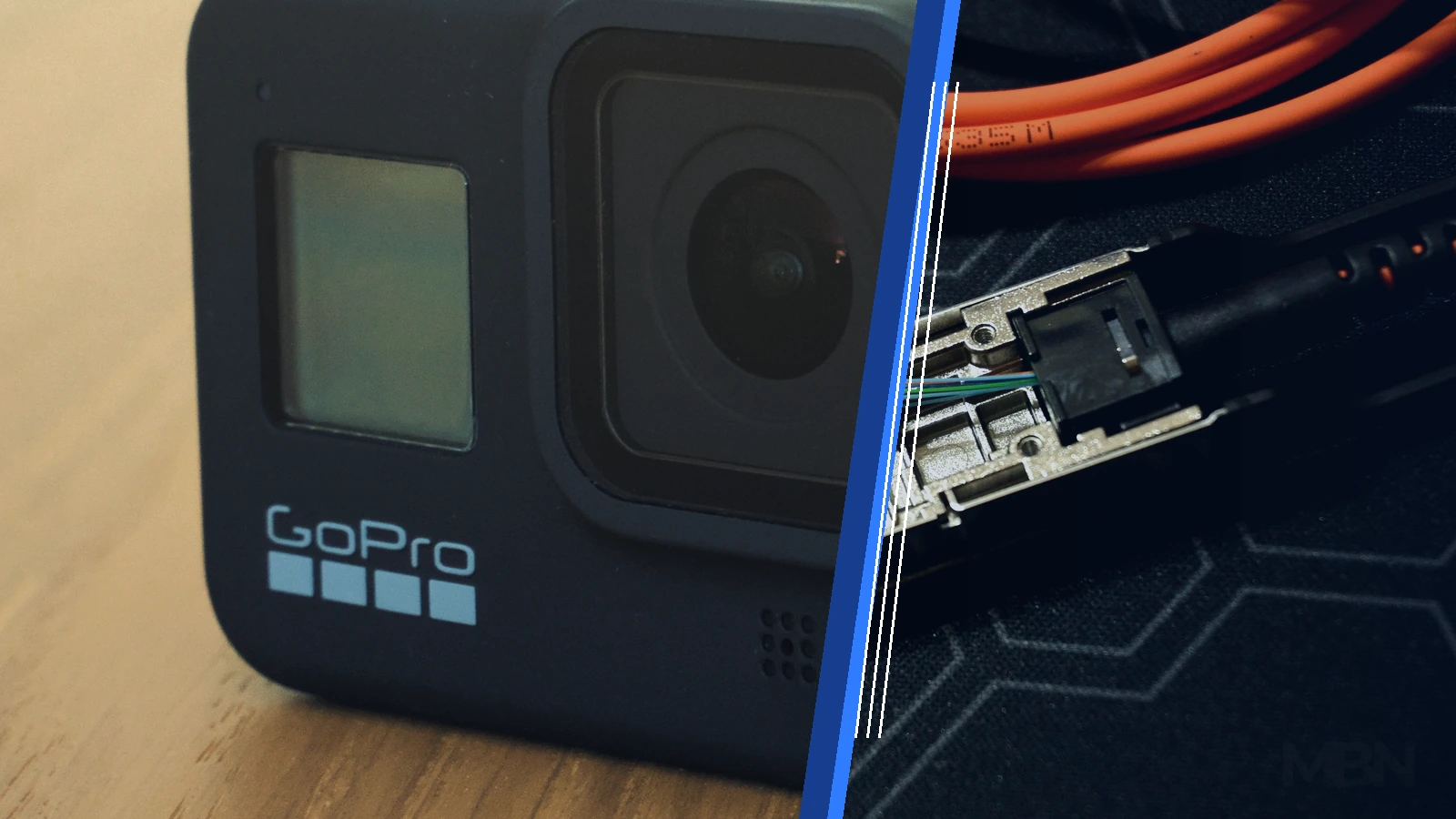
GoPro has agreed to merge with privately held Starman Optical in a transaction that would pay its current shareholders $285 million in cash, leave them owning about 10% of the combined company and move the business into optical hardware for AI data centers.
Under the definitive merger agreement announced on September 1, GoPro shareholders would receive an aggregate cash payment of $285 million, equal to $1.14 per share. That payment could be adjusted based on GoPro’s net working capital when the deal closes.
About $92 million of GoPro debt would also be repaid at closing, leaving the combined company with what the businesses described as a substantially debt-free balance sheet. GoPro would remain listed on Nasdaq and continue selling cameras, subscriptions and cloud services.
The structure is more unusual than a straightforward cash takeover. Existing GoPro investors would receive cash but would also retain a minority interest in the enlarged business. The eventual value of that 10% stake will depend on how the combined company performs.
Weak camera sales explain the timing
The agreement follows a difficult period for GoPro’s core camera business. In the second quarter of 2026, revenue fell 31% from a year earlier to $105 million. Camera sell-through, which measures units sold through to customers, dropped 38% to about 291,000.
GoPro reported a quarterly net loss of $51 million, compared with a $16 million loss a year earlier. Its cash and cash equivalents declined to $27.3 million at June 30 from $49.7 million at the end of 2025, according to the company’s latest quarterly filing.
There was one brighter area. Subscription and service revenue increased 11% to $29 million and represented 28% of quarterly revenue, up from 17% a year earlier. That helps explain why the consumer and cloud operations are being retained rather than discarded.
GoPro began reviewing a possible sale and other strategic alternatives in May. The Starman agreement offers a way to reduce its debt burden while placing its imaging expertise and intellectual property inside a business aimed at faster-growing markets.
What Starman brings to GoPro
Starman develops and manufactures optical transceivers in the United States. An optical transceiver is a small networking device that converts electrical data into light, sends it through fiber-optic cable and converts it back at the other end.
These devices are important inside AI data centers because large groups of processors must exchange enormous quantities of information quickly. Faster computing chips are less useful if the connections between servers and network switches cannot keep pace.
Starman New Photonics, the group’s operating business, introduced 800-gigabit-per-second and 1.6-terabit-per-second transceivers for large AI data centers in March. The company is also expanding domestic optical manufacturing, although the merger announcement did not provide Starman’s revenue, order book or production volume.
The wider demand for AI networking is already visible at much larger suppliers. As we reported in August, Cisco said orders from hyperscale AI customers had reached $9.3 billion. That does not establish how much Starman can sell, but it helps explain why high-speed optical connections have become strategically important.
GoPro brings a recognized consumer brand, experience in cameras and optics, and a portfolio that the company says contains more than 2,500 US patents. Management intends to apply those assets, together with Starman’s technology, to AI infrastructure, defense, government, robotics and aerospace.
Those are plans, not confirmed sales. The companies did not announce customer contracts, revenue forecasts or expected cost savings for the combined business.
The merger has not closed
Both boards have approved the agreement, but the transaction still requires GoPro shareholder approval, regulatory clearances and other customary closing conditions. The companies expect it to close by the end of 2026.
Until then, the $285 million payment, debt repayment and ownership changes remain conditional. Investors will also need more information about Starman’s finances to judge whether the retained stake can add meaningful value beyond the cash payment.
The proposed merger does not mean GoPro is abandoning action cameras. It does mean that cameras alone are no longer expected to carry the full business. If the deal closes, GoPro will become a broader optical technology company whose future depends partly on markets that most of its customers have never associated with the brand.
