
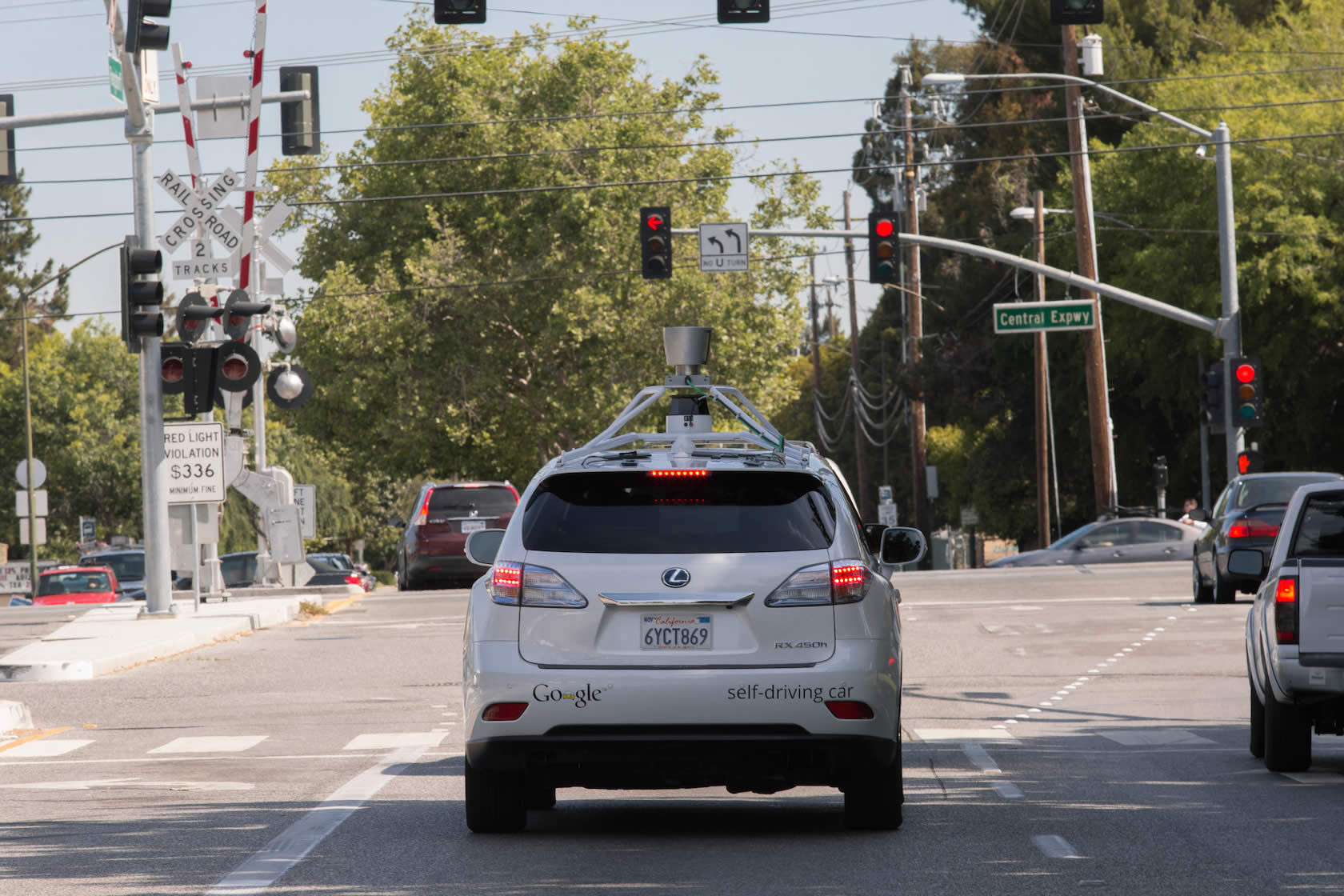
Google plans on partnering up with major auto industry companies to push forward with the development of self-driving cars.
There hasn’t been any word on the specific automotive companies Google plans on working with.
However, Jogn Krafcik, the head of the Google self-driving project, recently told a room full of automotive executives at the Detroit auto show: “We hope to work with many of you guys.”
The tech giant doesn’t plan on actually manufacturing electric vehicles, but rather focus on supplying the software and mapping necessary for vehicles to drive completely autonomously.
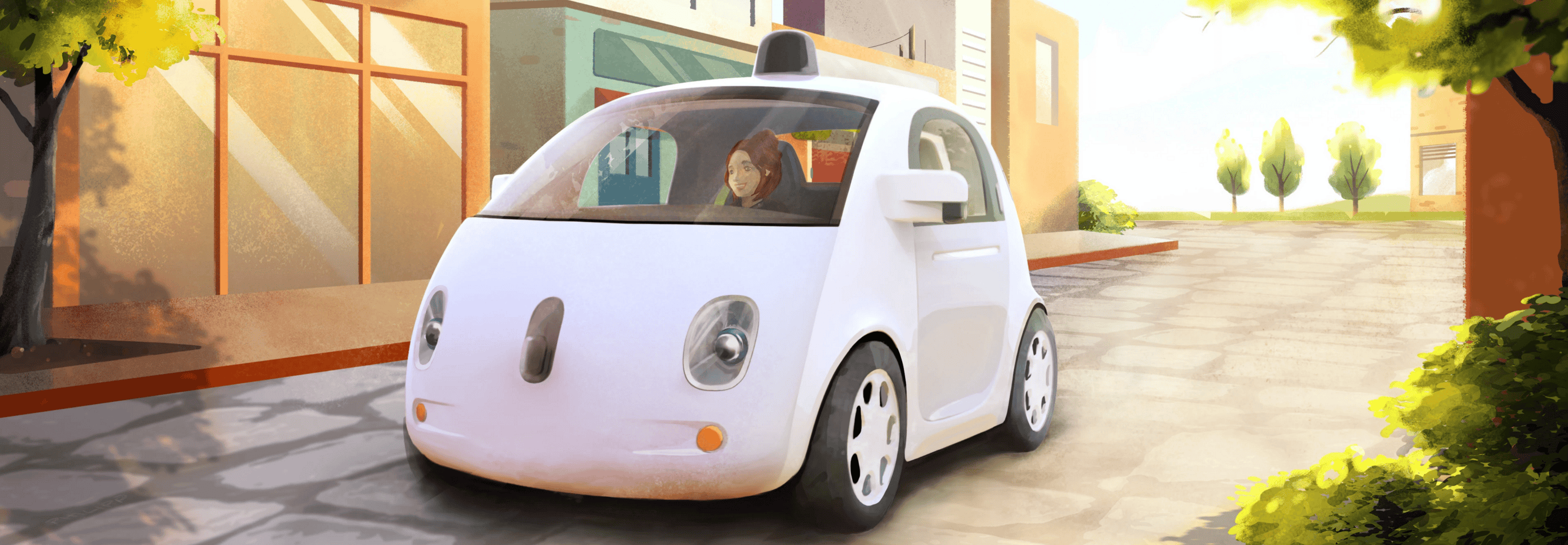
“Automakers have a track record of producing cars at scale,” Mr Krafcik said. “As work progresses, we look forward to working with many of you people as we bring this technology to market.”
“No one goes this alone,” Krafcik said. “We are going to be partnering more and more and more.”
Google is making solid progress in the development of efficient and safe autonomous technology.
Mr. Krafcik said “we are getting closer to getting to our goal of getting you from A to B with the touch of a button.”
There has been a sharp decline in the number of times Google’s human test drivers have had to take over control of their self-driving cars.
Google engineers assumed control of its self-driving cars 341 times between September 2014 and November 2015, which may sound like a lot, but it’s relatively low considering Google’s fleet covered 423,000 miles in that time. A report to the California Department of Motor Vehicles Google said that it handed over its autonomous cars to human drivers to take over seven times less frequently in Q4 2015 compared to the same quarter in 2014.
Google’s self-driving cars safer than previously thought
A recent study conducted by researchers at Virginia Tech revealed that cars driven by humans had 4.2 crashes per million miles driven, while Google vehicles had a rate of just 3.2 crashes per million.
The research does not draw a concrete conclusion on the safety of autonomous vehicles, but it is an indication that less severe events may happen at significantly lower rates for self-driving cars.
