

The US National Highway Traffic Safety Administration (NHSA) said that the AI system which pilots Google’s self-driving cars could be legally qualified as a non-human driver, marking a huge step forward in the regulatory approval of autonomous vehicles.
The regulator expressed its thoughts on the technology in a letter to Google made public this week.
National Highway Traffic Safety Administration Chief Counsel Paul Hemmersbaugh said in the letter that one of Google’s designs for a self-driving submitted on Nov 12 has ‘no need for a human driver’.
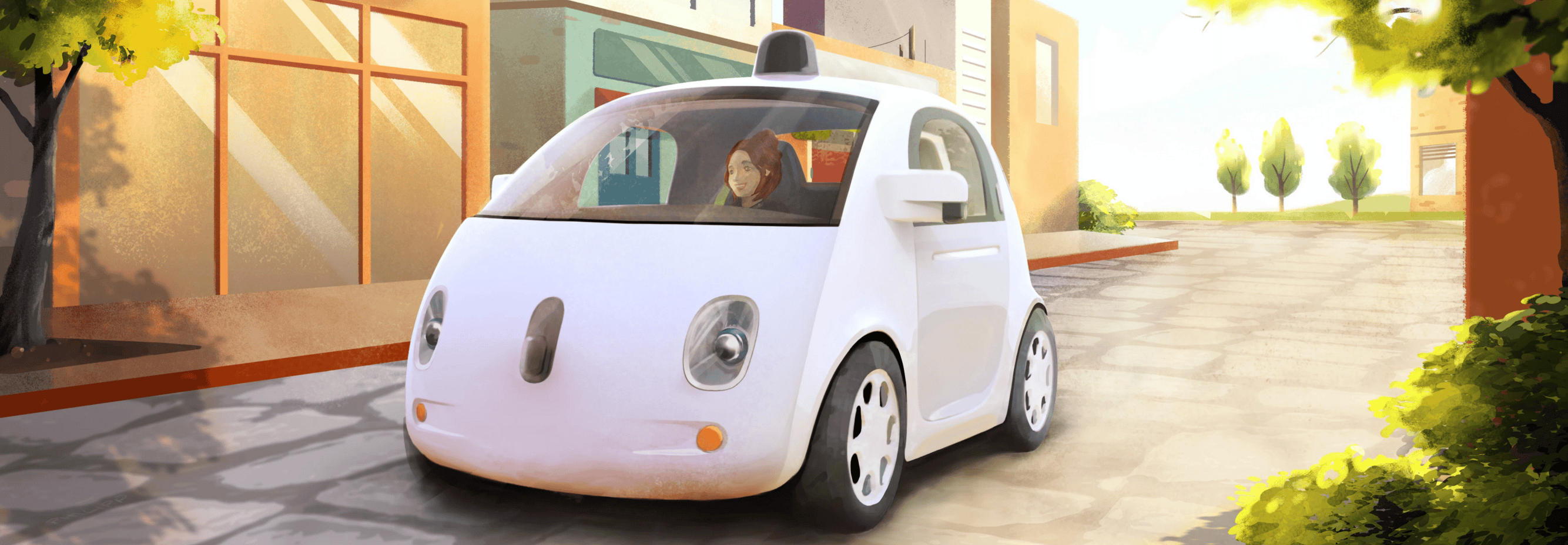
Google’s autonomous vehicles use a Self-Driving-System (SDS), an AI driver which is a computer designed into the motor vehicle itself that controls all aspects of driving by perceiving its environment and responding to it.
“NHTSA will interpret ‘driver’ in the context of Google’s described motor vehicle design as referring to the (self-driving system), and not to any of the vehicle occupants,” NHTSA’s letter said.
“We agree with Google its (self-driving car) will not have a ‘driver’ in the traditional sense that vehicles have had drivers during the last more than one hundred years.”
All cars previously required a human driver to be considered ‘roadworthy’. This was one of the main regulatory hurdles Google’s self-driving car project faced.
However, given the advancements made in autonomous technology, the US regulator has changed its position on the matter.
“If no human occupant of the vehicle can actually drive the vehicle, it is more reasonable to identify the driver as whatever (as opposed to whoever) is doing the driving,” it said.
“In this instance, an item of motor vehicle equipment, the Self-Driving System, is actually driving the vehicle.”
A Google spokesperson was quoted by Reuters on Tuesday as saying that the tech firm is “still evaluating” the NHTSA’s lengthy response.
