
UK June inflation rose to 1.9% (annualized) compared to 1.5% in May, driven by high increases in the prices of non-alcoholic drinks, food, footwear and clothing (especially women’s), says the Office for National Statistics (ONC). Rising prices were also broadly spread across nearly all goods and services.
The ONC also reported steep increases in property prices. There is speculation of earlier-than-expected interest rate hikes.
With a strong pound, which makes imports cheaper for domestic consumers, and a bitter supermarket price war, economist had expected tamer June price increases.
From May to June, when the summer sales begin, clothing prices usually drop. This year they have moved in the opposite direction. Perhaps retailers had delayed the summer sales because of the warmer-than-usual June weather.
Some analysts suggest that maybe the economic rebound is so strong that stores feel they can sell more of their merchandise at full price.
Main inflation components were one-offs
The Financial Times quotes Morgan Stanley economist, Jonathan Ashworth, who pointed out that the main upward pressure on prices came from more volatile components. He expects half of the increase will unwind in July and August. “(There is no) clear message on changes in the underlying domestic inflationary pressures,” he said.
So far this year, wholesale natural gas and electricity prices have fallen steeply, suggesting that utility bills will not increase this winter. The low-prices in utilities will probably bring inflation down by three percentage points by the end of the year, economists say.
The UK’s central bank – The Bank of England (BoE) – has an annual inflation target of 2%.
Soon after the inflation news was released, the pound climbed more than three-quarters of a cent against the dollar to $1.7144, while British bond prices tumbled.
Including housing costs, inflation rose 2.6% in June compared to 2.4% in May.
UK May house price inflation 10.5%
House prices in the UK rose by 10.5% year-on-year in May, up from 9.9% year-on-year to April, the ONS reported today.
House prices increased by:
- 11% in England,
- 3.6% in Scotland,
- 6.5% in Wales,
- and fell by -0.7% in Northern Ireland.
London, at 20.1%, registered the strongest gains, followed by the South East and East of England (9.6% and 8.6% respectively).
House prices across the country excluding London and the South East rose by 6.4% year-on-year in May.
First-time buyers in May 2014 were paying 11.3% more than in May 2013, while owner occupiers (existing owners) paid 10.1% more over the same period.
Bank of England rate hike?
Now that house prices have shot up, inflation is close to the 2% target, and unemployment has been falling rapidly, economists say the case for the Bank of England (BoE) to raise interest rates is becoming more compelling.
The UK’s benchmark interest rate is at a historical low of 0.5%. With an economy that appears to be heating up, will something have to be done soon to calm things down?
At the beginning of this year, economists were predicting a 2016 rate hike, a few months later this was brought forward to 2015. Now, most analysts believe interest rates will move upward before the end of this year, possibly in November.
In an interview with the BBC, Jeremy Cook, chief economist at World First, a currency firm, said he was very surprised with June’s inflation figure. “Inflation is now rising at its fastest rate since January, with clothing, food and transport contributing well,” he said.
Mr. Cook added that the situation has become a little more painful for Brits who have been living for about six years on below-inflation wage rises.
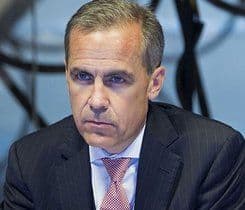
Speaking after the June inflation data was published, Bank of England Governor, Mark Carney, described inflation expectations as “extremely well anchored.”
In May, Mr. Carney had said that interest rates would remain low “for some time.” He added that with the pound sterling increasing in value, he could not see inflation shooting up.
