

US vehicle sales dropped 6 percent in May, down to 1.54 million.
The decline was mainly due to the fact that there were two fewer selling days last month.
However, the less-than-stellar figure suggests that demand for new cars in the US has dwindled.
The drop in auto sales in May was the first decline in auto industry sales since January, according to researcher Autodata Corp.
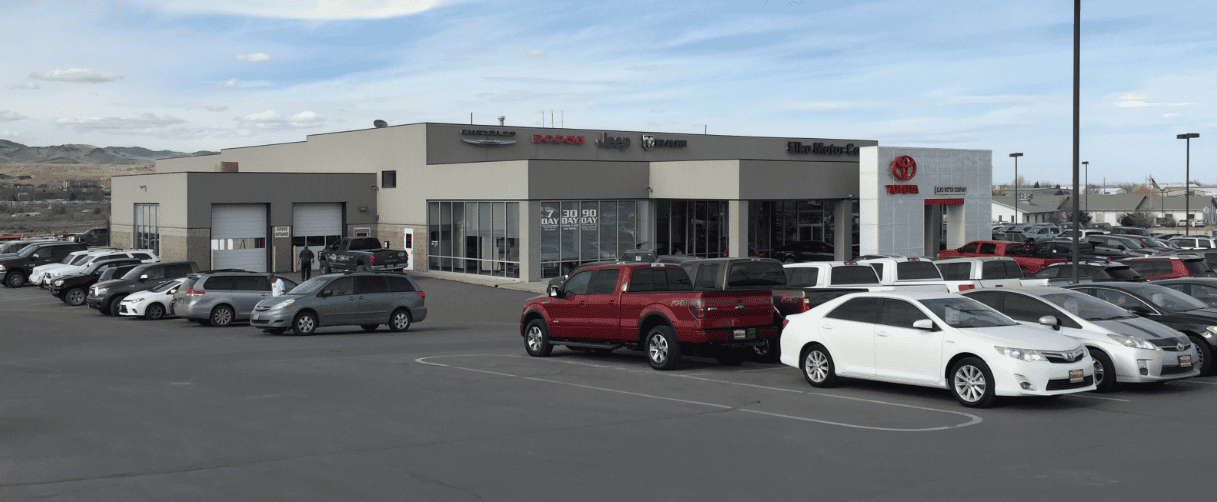
The results have fueled concerns that the US market might have reached a plateau, with demand for new cars cooling off faster than what most analysts had forecast.
Mike Sullivan, a Los Angeles-area dealer for Volkswagen AG, Toyota, and other brands, told the Wall Street Journal that car makers are “just cranking up volume and someone is going to have to blink.”. He added: “They’re building too many vehicles and need to pull back.”
The US’s largest automaker, GM, reported a steep 18 percent decline in vehicle sales, down to 240,450 in May – worse than expected. Shares in GM ended down 3.4 percent at $30.20.
Ford sales also dropped, down 6 percent in May from the year-ago period, reporting sales of just 235,997 for the month. Ford shares dropped 2.8 percent, closing at $13.11.
Key US economic indicators have not changed
Meanwhile, IHS Automotive analyst Stephanie Brinley, was quoted by Reuters as saying that the outlook remains for “another record year”, adding that “nothing in May’s results suggest otherwise.”
Brinley said that economic fundamental are still strong and interest rates continue to be low.
Dan Ammann, GM president, has remained optimistic. At a business conference in northern Michigan he said: “We feel pretty good about the U.S. economy and the U.S. consumer.”
Mark LaNeve, Ford’s U.S. sales chief, told analysts and reporters on a conference call: “Obviously we’re hoping for improvement” in sales rate as the year goes on. He added: “I talk to the dealers about this all the time: What needs to be low is still low — unemployment, interest rates, gas prices — and what needs to be high is still high — consumer confidence, the housing market.”
