
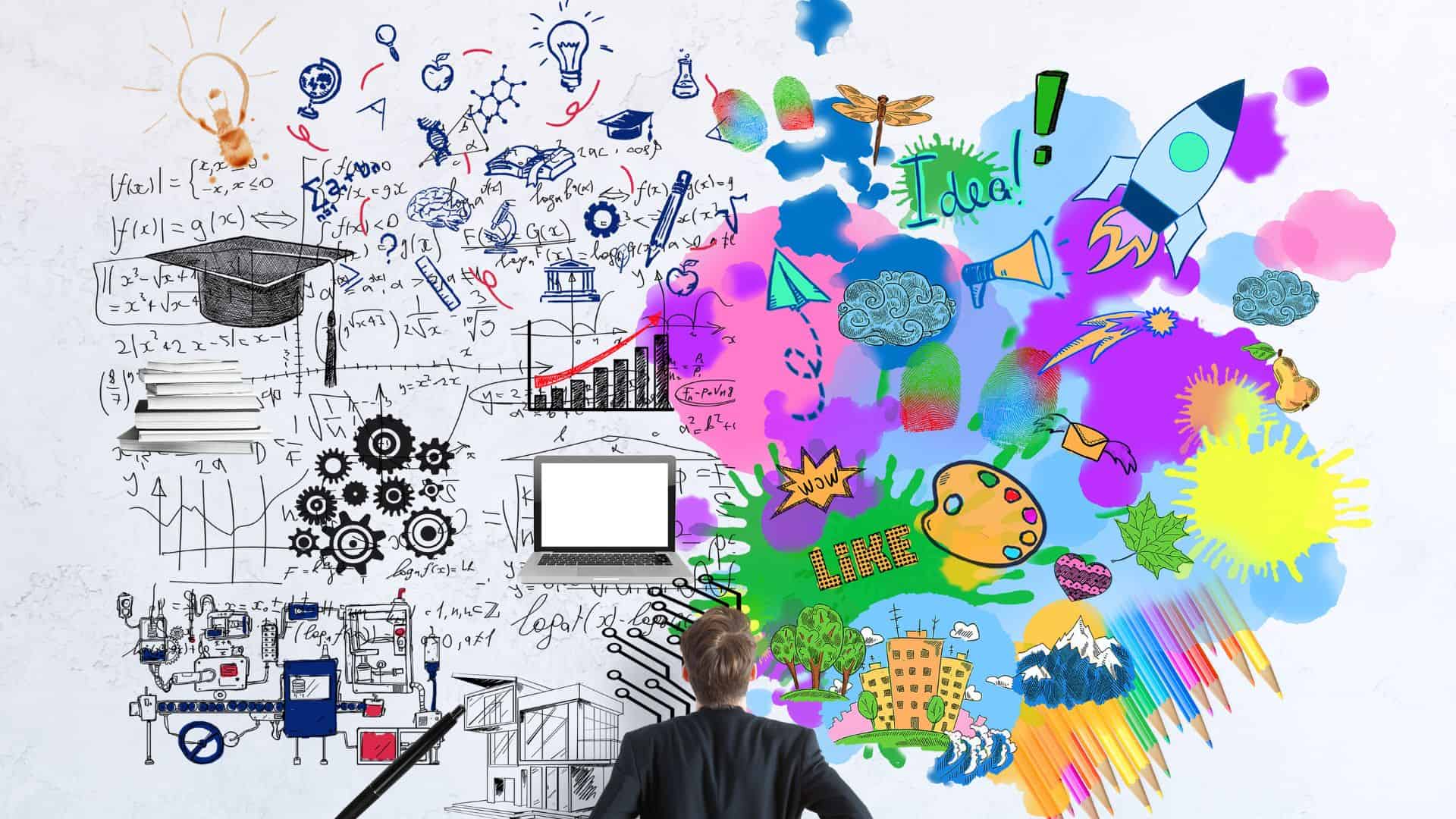
Imagining how end users would feel when using a product helps product designers come up with more original and creative outcomes, according to a recent study co-written by University of Illinois product development expert Ravi Mehta.
The researchers conducted five studies to identify differences in outcome originality during the new product ideation process of a “feelings-imagination” approach versus an “objective-imagination” approach.
According to the abstract of the study, the team demonstrated that adopting a feelings-imagination approach versus an objective-imagination approach “induces higher empathic concern, enhancing cognitive flexibility, which leads to higher outcome originality.”
Ravi Mehta, who is also a professor of business administration at the Gies College of Business, explained:
“There are two ways that the product designer can imagine the consumer’s product usage. One focuses on objective utility of the product – how consumers might use the product. The other focuses on feelings – how the product makes the consumer feel.
He added:
“You always want to have new products that solve problems more efficiently, more effectively and at a lesser cost. So product designers fall into this trap of being very objective in focusing on the utility of a product.
“That’s important, but the objectivity of the thought process only takes them so far, because they’re not imagining how the product will ultimately make consumers feel.”
The researchers wrote that the five studies demonstrated “consistent support” of the framework that a feelings-based approach is superior to an objective-based approach.
“It turns out that using the heart has more downstream benefits than just using the head,” Mehta said. “It not only helps product designers build a better product, but it also helps them create more innovative products.”
Mehta added that marketers are increasingly tapping consumers for new product ideas.
“Our third experiment in the paper demonstrated a positive effect of adopting a feelings-imagination approach in the context of everyday consumers generating ideas in response to a crowdsourcing campaign,” Mehta said.
Adding:
“That suggests that these consumers – particularly given their lack of access to observe end users – may benefit from imagining end users’ feelings when developing original ideas for products and services that could appeal to the masses.
“Companies utilizing crowdsourcing techniques can easily adopt this process and prompt feelings-imagination exercises through their websites or social media.”
Journal Citation
“Head versus Heart: The Effect of Objective versus Feelings-Based Mental Imagery on New Product Creativity” Kelly B Herd, Ravi Mehta. Journal of Consumer Research, Volume 46, Issue 1, June 2019, Pages 36–52, https://doi.org/10.1093/jcr/ucy058
