
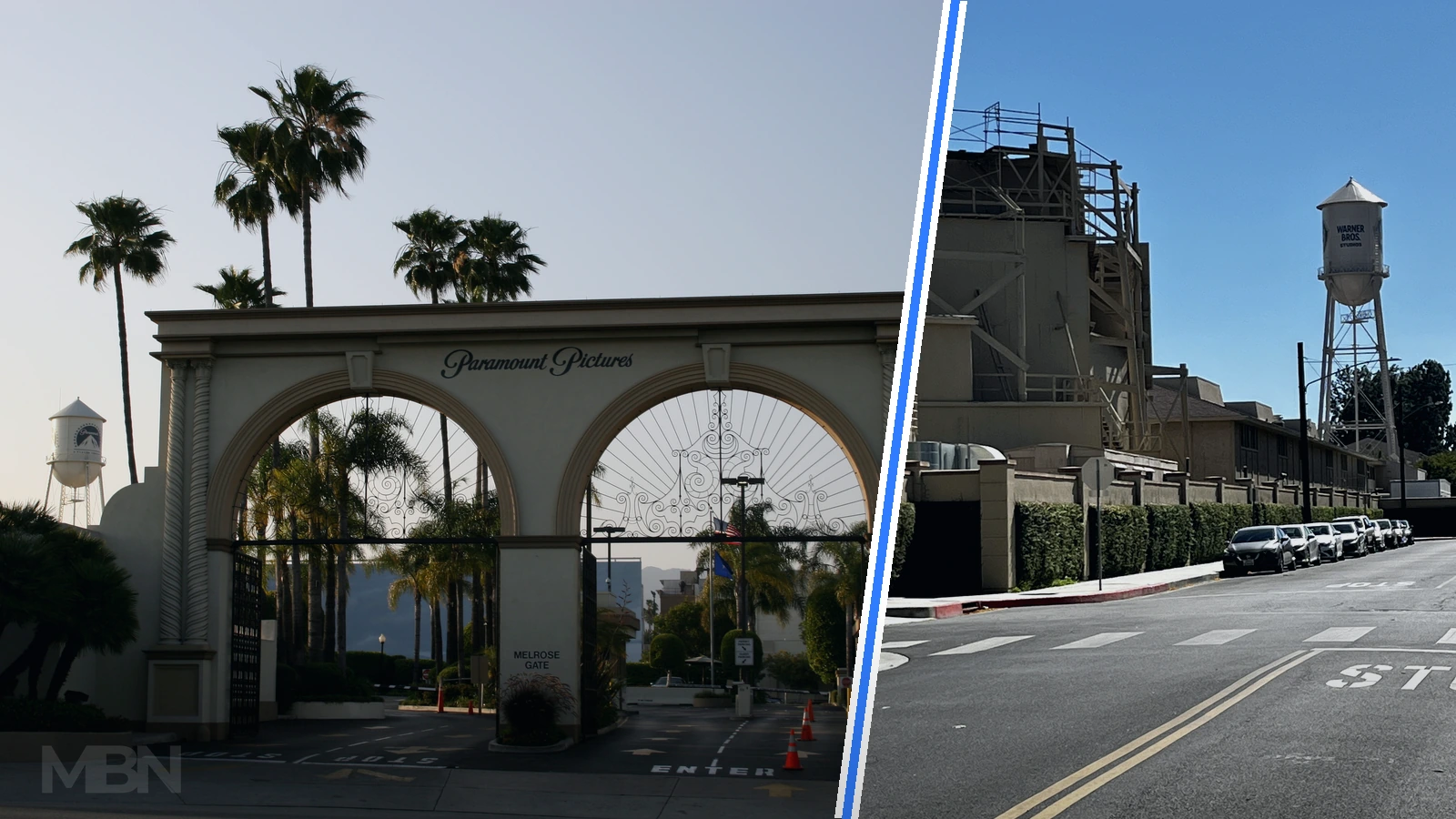
Paramount Skydance says it has obtained every regulatory clearance required to complete its acquisition of Warner Bros. Discovery, but the two companies remain legally barred from closing the $110 billion enterprise-value transaction or integrating their operations while US antitrust cases proceed.
Mexico supplied the last required regulatory clearance on August 14, 2026. Paramount said the eight-month review had covered 68 countries, including the US, UK, European Union, China, Australia, Canada and Brazil.
The company described the remaining state litigation as the final obstacle to completion. Warner Bros. Discovery shareholders had already approved the merger agreement at a special meeting on April 23.
Those milestones remove two major execution risks, but they do not give Paramount permission to close. A federal court order remains in force, creating an important distinction between satisfying the merger agreement’s regulatory requirements and being legally free to complete the transaction.
The required clearances are complete, but the legal process is not
A coalition of 12 state attorneys general sued Paramount and Warner Bros. Discovery in July, alleging that the acquisition would breach the Clayton Act by reducing competition in film distribution and basic cable television, while harming consumers, cinemas and entertainment workers.
The US District Court for the Northern District of California initially issued a temporary restraining order. The parties subsequently entered into a court-approved agreement not to close.
Under that order, Paramount and Warner Bros. Discovery cannot complete the transaction or take steps to integrate or consolidate their operations until the earlier of two dates: five days after a ruling on the merits of the cases, or June 1, 2027.
The order also covers a parallel antitrust case brought by the Writers Guild of America West and East. The trial is scheduled to run for 12 court days from March 2 to March 19, 2027, according to the court schedule reported by Variety. A trial end date does not guarantee that the judge will issue a decision immediately.
The delay increases the purchase consideration
Paramount agreed to pay $31 in cash for each Warner Bros. Discovery share. The companies put the equity value at $81 billion and the enterprise value, which broadly includes net debt, at $110 billion.
The transaction is backed by $47 billion of equity and $54 billion of debt commitments. It is not subject to a financing condition, according to the original transaction announcement filed with the US Securities and Exchange Commission.
The cash price begins increasing if the deal has not closed by September 30. Paramount’s latest quarterly filing sets the additional consideration at $0.00277778 per WBD share for each day of delay, capped at $0.25 per share in any 90-day period.
This so-called ticking fee compensates Warner Bros. Discovery shareholders for waiting, but it also makes time an acquisition cost for Paramount. The Paramount quarterly filing makes another important point: the additional amount is payable only if the merger closes. Nothing is due under the ticking-fee provision if the agreement is terminated.
Paramount had already paid Warner Bros. Discovery’s $2.8 billion termination fee to Netflix after WBD abandoned its earlier agreement with the streaming company. The ticking fee, litigation costs and delayed operating savings add to that existing financial exposure.
The dispute centres on what counts as competition
The opposing sides do not simply disagree about the same set of market shares. They also describe the relevant media markets differently.
In their complaint against the transaction, the states focus on narrower markets that include films released in more than 600 cinemas, anticipated top-grossing films and basic cable programming. They argue that the merger would combine two of Hollywood’s five major studios, more than 50 cable channels and three subscription streaming services.
The states allege that the resulting company could demand more favourable terms from cinema operators and television distributors, while facing less pressure to spend money on new films and programmes. These are allegations that remain to be tested at trial.
The US Department of Justice reached the opposite conclusion after its own eight-month investigation. It found that the merger was unlikely to harm competition in subscription streaming, linear television or the production and distribution of films for cinemas. The department said a combined company could compete more effectively with larger streaming businesses.
The difference can be seen in the competitors each side emphasises. The states focus on five major film distributors and specific categories of cinema release. The Justice Department points to competition from traditional studios, independent producers and newer entrants including Netflix and Apple. In television, the department gives more weight to the pressure that streaming places on declining linear networks.
The court will still have to determine which market boundaries reflect the commercial choices available to cinemas, television distributors, workers and viewers. Regulatory approval in other countries does not decide that question for the US court.
The court timetable approaches the merger deadline
The current merger agreement has a termination date of March 4, 2027, with an automatic extension to June 4 if specified conditions apply. The agreement not to close can remain in place until June 1.
That creates a narrow window at the far end of the schedule. If the litigation remains unresolved and the court order runs until June 1, the parties would have roughly three days before the extended termination date, unless they amend the agreement or another provision changes the timetable.
The timing also delays Paramount’s proposed operating plan. The company estimates that combining the businesses could produce more than $6 billion of savings from technology integration, procurement, property and other efficiencies. That is a management forecast, not a realised benefit, and the court order prevents the companies from beginning the operational combination contemplated by the merger.
Paramount chief executive David Ellison said the company had offered commitments and concessions and remained open to a negotiated settlement with the states. Unless an agreement is reached, the next decisive step will come from the court rather than another competition authority.
Until then, Warner Bros. Discovery remains an independent company, the contractual ticking fee is scheduled to begin accumulating after September 30 and the acquisition remains proposed rather than completed.
