
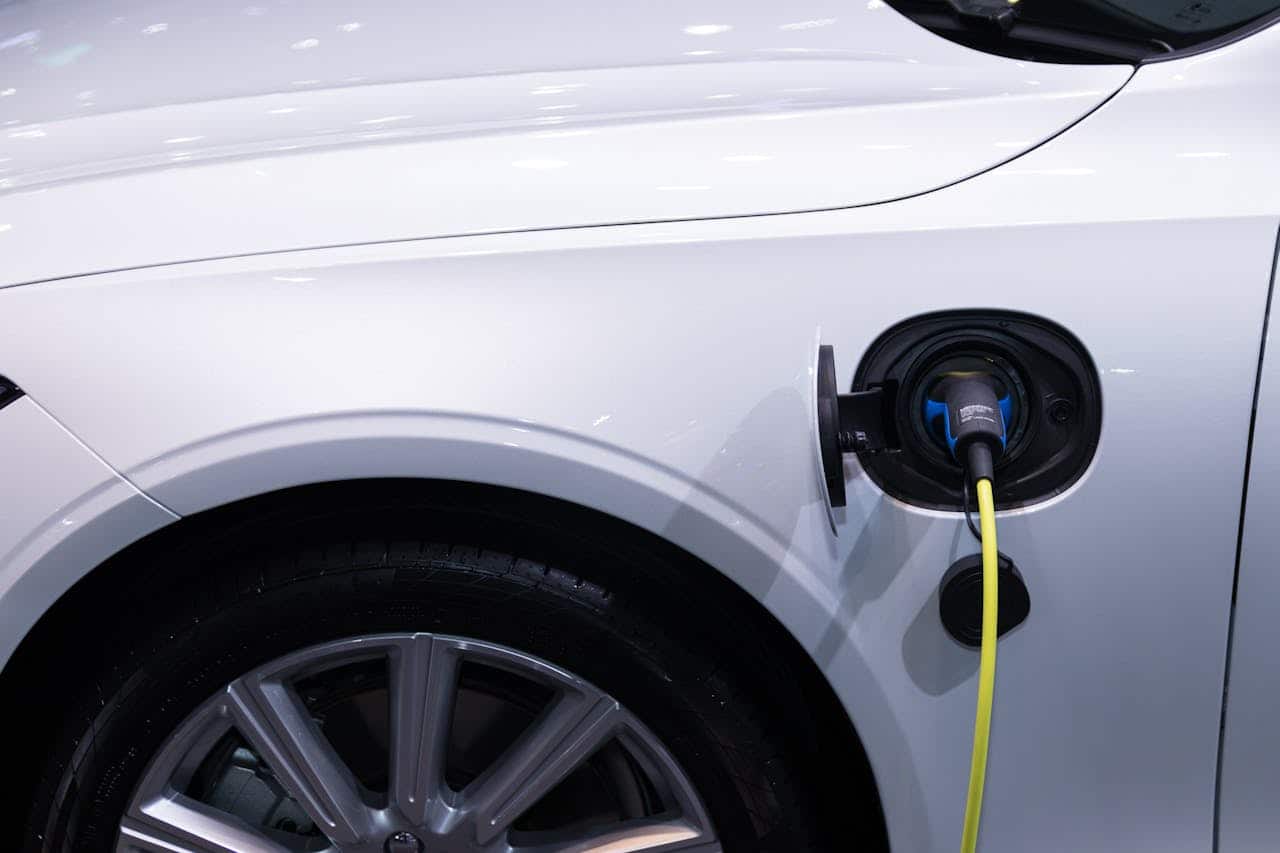
Replacing a functioning gasoline vehicle with an electric vehicle can reduce lifetime carbon emissions, even when the gasoline vehicle is relatively new, according to a new peer-reviewed study.
The finding challenges the idea that keeping an existing car on the road for as long as possible is always the lower-carbon choice.
Although manufacturing an electric vehicle creates an upfront emissions cost, its lower operating emissions can make up for that cost within a few years.
There is one important condition: the gasoline vehicle must be permanently retired. Selling it to another driver who continues to use it would not produce the same emissions reduction.
The study, published in the journal Science, was conducted by J. Elliott Campbell of the University of California, Santa Cruz, and Roland Geyer of the University of California, Santa Barbara.
Why replacing a working car can still reduce emissions
Producing a new battery-electric vehicle, particularly its battery, requires energy and generates emissions. This creates an initial carbon cost compared with simply continuing to use a car that has already been built.
However, gasoline vehicles continue producing emissions every time they are driven. Electric vehicles generally produce much lower emissions during use, although the exact amount depends on how the electricity used to charge them is generated.
The emissions released while manufacturing the existing gasoline vehicle have already occurred. They cannot be avoided by keeping the car for longer. The relevant comparison is therefore between the future emissions from continuing to drive it and the combined manufacturing and operating emissions of a replacement EV.
The researchers found that it typically took about three years for the lower operating emissions of an EV to make up for the emissions required to manufacture it. After that point, the emissions savings continued to accumulate.
Most modeled replacements reduced emissions
The researchers compared continuing to operate a gasoline vehicle for its full useful life of about 16 years with retiring it earlier and replacing it with a battery-electric vehicle.
Their analysis covered more than 400 gasoline and electric vehicle models. It considered differences in vehicle efficiency, annual mileage, battery size, manufacturing emissions and the mix of energy sources supplying the electricity grid.
Across the modeled cases, 92% of early replacements produced at least some overall reduction in carbon emissions.
The largest savings generally came from replacing gasoline vehicles early. In the researchers’ fleet-average analysis, retiring a gasoline vehicle during its first year and switching to an EV reduced cumulative emissions by 58% over the 16-year comparison period. The savings became smaller when replacement occurred later.
The result reflects the large amount of energy gasoline vehicles consume throughout their operating lives. Once the EV’s manufacturing emissions have been recovered, every additional mile driven can increase its emissions advantage.
The result does not apply in every situation
How much a vehicle is driven makes a significant difference. Under the study’s assumptions, early replacement was not favorable for cars driven less than about 4,383 miles (7,054 kilometers) a year, SUVs driven less than 4,248 miles (6,837 kilometers), or pickup trucks driven less than 6,707 miles (10,794 kilometers).
These are modeled thresholds rather than universal cutoffs. The result for an individual vehicle would also depend on its fuel efficiency, the replacement EV and the electricity used for charging.
The local electricity supply is especially important. An EV charged on a grid that relies heavily on coal will have higher operating emissions than one charged in a region with a cleaner mix of electricity.
For commonly sold gasoline vehicles, switching to an EV still reduced emissions even on the highest-carbon U.S. grids included in the analysis. The advantage was less certain when replacing exceptionally efficient conventional hybrids in regions with carbon-intensive electricity.
Plug-in hybrids were another notable exception. Because they can already complete some journeys using electricity, replacing them early with fully electric vehicles increased cumulative emissions in some of the modeled cases.
The gasoline vehicle has to leave the road
The study examined permanent vehicle retirement, not an ordinary trade-in where the gasoline car is resold and continues operating.
If the existing vehicle remains on the road, its emissions do not disappear. The overall climate benefit would therefore be smaller than the study’s results suggest and could depend on whether the used vehicle replaces another car or leads to additional driving.
This distinction means the findings are particularly relevant to vehicle scrappage programs, which remove gasoline vehicles from service rather than simply transferring them to new owners.
The climate case is stronger than the financial case
Reducing emissions does not necessarily make early replacement affordable. A functioning gasoline car still has economic value, while purchasing an EV can involve a substantial upfront cost. Charging access and the availability of suitable electric models also vary between drivers and regions.
The researchers said larger or more widely available scrap-and-replace incentives could help address that gap. Many existing programs concentrate on the oldest and least efficient vehicles, but the findings suggest that permanently retiring a broader range of gasoline vehicles could also produce emissions benefits.
Those benefits could grow as electricity generation becomes cleaner and battery recycling reduces some of the emissions associated with producing new EVs.
A different way to think about vehicle lifespan
Extending the life of a product is often an effective way to avoid the environmental cost of manufacturing a replacement. Vehicles can be different because much of a gasoline car’s climate impact occurs while it is being used rather than when it is built.
The study does not mean that every driver should immediately scrap a working car. Purchase costs, annual mileage, charging access, vehicle efficiency and local electricity generation all affect the decision.
From a carbon-emissions perspective, however, the findings indicate that continuing to operate many gasoline vehicles can produce more cumulative emissions than retiring them early and switching to an electric vehicle. In many of the situations examined, waiting for the gasoline vehicle to reach the end of its life increased emissions rather than reducing them.
