
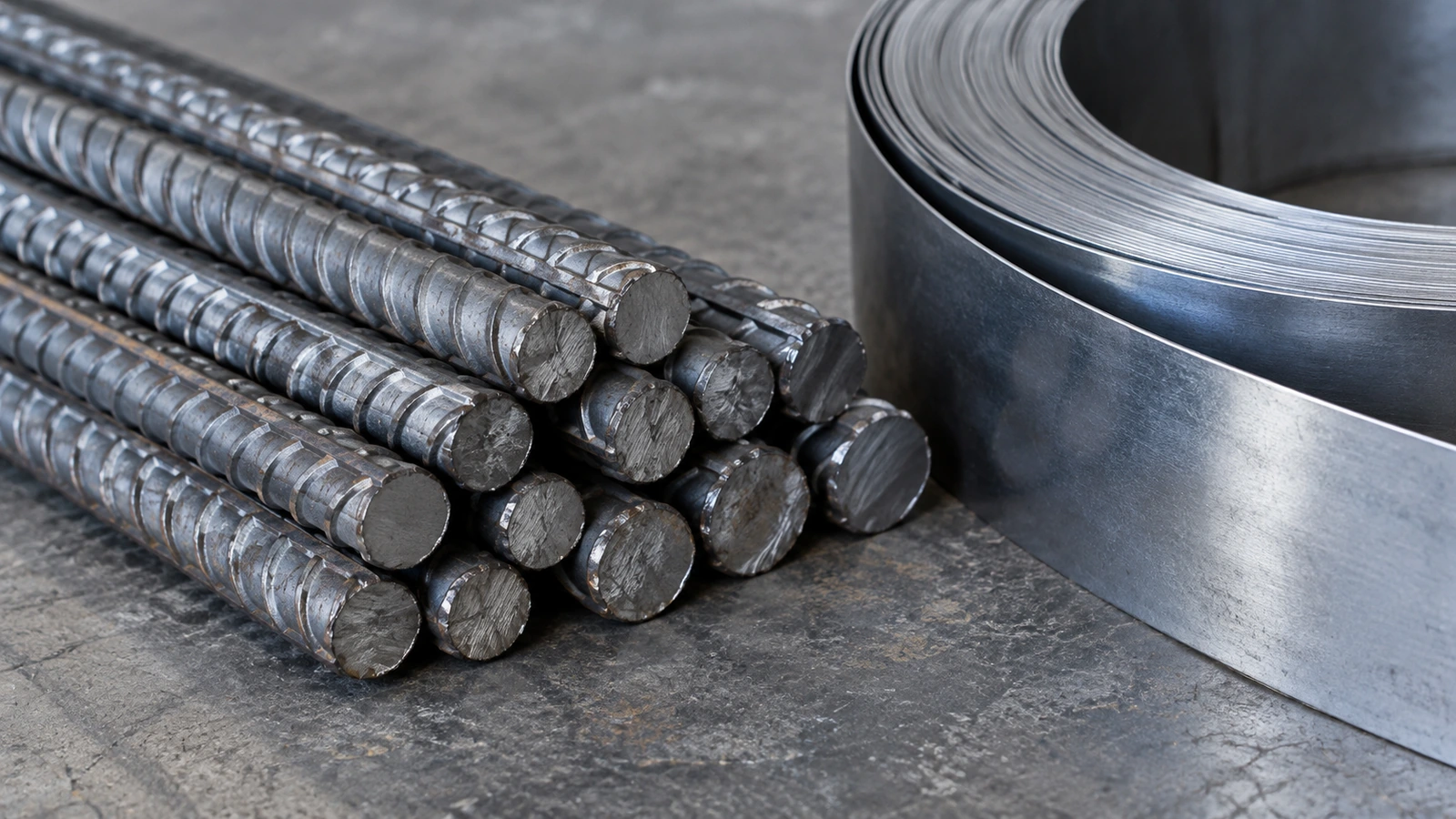
A Finnish simulation estimates that increasing hydrogen use could cut direct carbon dioxide emissions from an ironmaking system by about two-thirds while keeping a measure of iron quality above 90%. The findings examine a gradual transition from natural gas, with some fossil fuel still used.
The saving came from raising hydrogen’s share of the fresh hydrogen-and-methane feed from 10% to 90%. It applies to the modeled production process, excluding hydrogen-production emissions and the subsequent steelmaking stage.
The Åbo Akademi University study first appeared online in Fuel on March 3, 2026. It was assigned to the journal’s September 15 issue.
What is direct reduced iron?
Direct reduced iron, or DRI, is made by removing oxygen from iron ore while the material remains solid. Hot gases containing hydrogen and carbon monoxide can perform that chemical task inside a shaft furnace, a tall vessel through which the ore descends.
The resulting iron can feed an electric arc furnace, which uses electricity to melt material for steel production. Making iron from ore and turning it into finished steel are separate stages, with different energy requirements.
Metallization measures the share of the iron content converted into metallic iron. As technology supplier Midrex explains, this is a percentage of total iron, not everything in the product. Mineral impurities and other properties also affect its suitability for steelmaking.
A fuel change affects the surrounding equipment
The Finnish team modeled the furnace alongside a gas reformer, which converts methane and steam into hydrogen-rich gas. It also examined recycling gas that leaves the furnace.
More recycling improved iron reduction but could reduce methane conversion in the reformer. An adjustment that helped the furnace could consequently make another part of the process less efficient.
Individual models were checked against published plant data. The proposed hydrogen-rich operating conditions still require industrial assessment; the simulation is not evidence that a commercial plant has achieved the two-thirds saving.
The cost of hydrogen remains a constraint
Hydrogen removes oxygen from ore by forming water. Its wider emissions footprint depends on how it is produced. Green hydrogen uses renewable electricity to split water, but supplying that electricity and operating the production equipment still carries costs.
The International Energy Agency’s 2025 assessment estimated that early commercial steel plants using fully hydrogen-based direct reduction and electric arc furnaces faced production costs 50% to 140% above conventional blast furnace-based plants, depending on region.
Those estimates use 2024 energy prices and exclude explicit subsidies or carbon-pricing support. They are not a cost assessment of the Finnish blended-gas system.
For a steelmaker, a lower-emissions process needs dependable fuel supplies and enough revenue to cover its investment. Phasing in hydrogen may spread the operational adjustment over time, but cannot guarantee competitive production costs.
A hydrogen-ready plant may continue using gas
The IEA also reported that many projects capable of near-zero-emissions iron production planned to start with natural gas, with unclear deadlines for switching.
That leaves an investment question beyond the furnace design. Manufacturers need to know when hydrogen will become affordable and whether customers will commit to buying the resulting steel. Without those conditions, equipment capable of making cleaner iron may continue operating on fossil fuel.
