
The United Kingdom is set to have a referendum on whether to stay in the European Union (EU) or leave. The vote has to take place before 31st December, 2017. Some say it will occur earlier.
After the general election in May 2015, Prime Minister David Cameron restated his Conservative Party’s manifesto pledge to hold a referendum on British membership of the EU by the end of 2017. He said it will be an ‘In/Out’ vote.
In January 2013, Mr. Cameron pledged to hold such a referendum if the Tories (Convervatives) won an outright majority – which they have done.
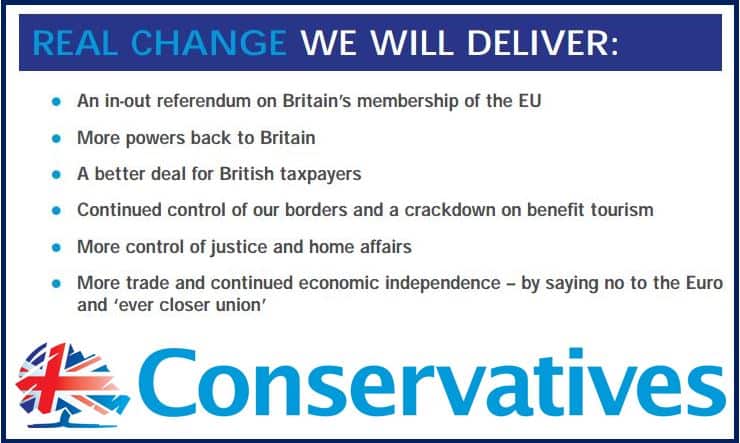 Source: Conservative Party European Election Manifesto 2014.
British public opinion split
Dozens of polls have been carried out nationwide and in different parts of the country regarding people’s views. Most of them suggest the country is split down the middle.
In November 2012, fifty-six percent of people polled said they would vote to leave the EU, compared to just 30% who believed the country would be better off within the trading bloc.
The biggest-ever poll, involving 20,000 people, showed 41% in favour of leaving and 41% in favour is staying within the EU, with 18% undecided. However, opinions changed significantly when those surveyed were asked how they would vote if the UK managed to renegotiate its terms with the EU – with more than 50% saying they would opt to stay.
If the British people do vote to leave, the UK will be the first country to withdraw from the EU. Greenland (part of Denmark’s realm), voted to leave the EEC (European Economic Community), the EU’s predecessor, in 1985. Upon gaining independence from France in 1962, Algeria left the EEC.
Harriet Harman, Labour’s interim leader after her party was defeated in May’s general election, said Labour would now support plans for an ‘in/out’ EU referendum by the end of 2017.
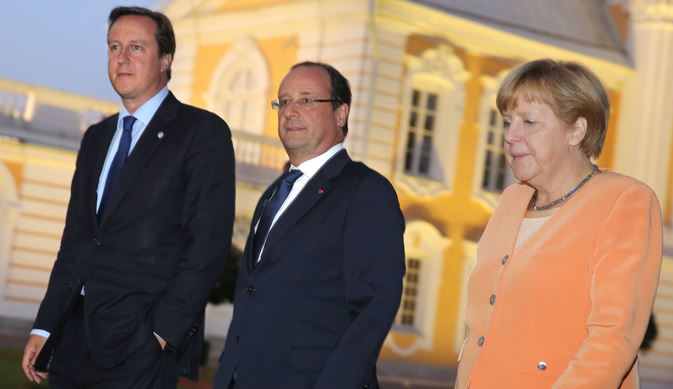 Are other European leaders willing to let the UK renegotiate?
The Liberal Democrats are still against holding a referendum, stating that their position would only change if there were a further transfer of sovereignty to the EU.
Former Tory Chancellor Lord Nigel Lawson believes the UK would be better off outside the EU. In an article for The Times (May 2013) he said the move would be better for Britain’s trade with the developing world, especially with the Asian markets.
David Cameron is currently trying to negotiate Britain’s terms with the EU. If he manages to do that, the vote will probably favour remaining. There are serious doubts, however, whether the other EU countries are willing or capable of allowing the UK to sign a new deal.
A total of 1.4 million Brits live, work or study in other EU member states. British students can currently study in other member states at the same costs as local citizens, this arrangement applies equally in every EU state.
If the UK were to leave the EU, it is unclear what would happen to those students and workers.
Would businesses suffer?
Most British business leaders would prefer the UK to remain an EU members. Apart from fearing what might happen if they lost top trading status with their number one region for exports and imports, many wonder how many financial institutions might move their European headquarters from London to an EU city, such as Frankfurt, if Britain were to leave.
Multinational car makers, including BMW and Ford have already told the British Government that an EU exit would be ‘devastating’ for the country’s economy.
In 2013, the British Chambers of Commerce carried out a survey of its 4,387 members (all companies) and found that just 18% favoured withdrawal from the EU, 60% said leaving would harm their business, while 33% said they were in favour of leaving and negotiating a free-trade deal.
The Confederation of British Industry (CBI) insists the UK would be better off remaining in the EU.
CBI chief John Cridland said:
“We can’t end up on the fringes of the world’s largest trading bloc, following and paying for all the rules, but setting none.”
“The UK must stay in to reform the EU – it is in the UK’s national interest and will create jobs and opportunities at home and in Europe.”
“Each year, membership is worth £3,000 to every household in this country.”
