
Germany’s economy showed signs of losing momentum at the start of the third quarter, even as business sentiment improved, the Economy Ministry said in its September assessment. Inflation rose to 2.9% in August, led by a 10.5% increase in energy prices.
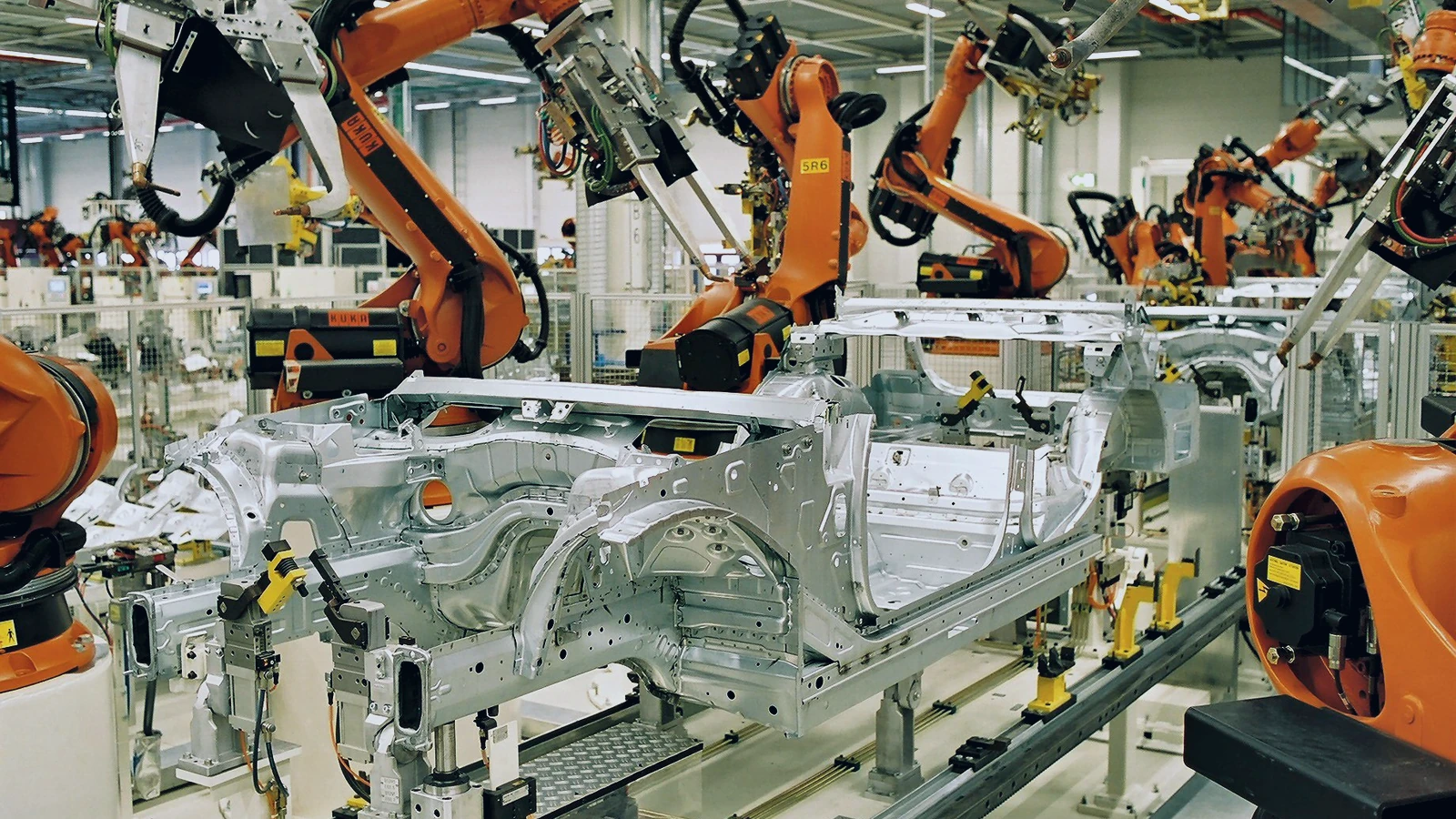
The report describes a mixed picture. Manufacturing output fell 1.1% from June to July, while new orders rose 2.5% to their highest level since December. We previously reported on the July industrial-production drop, including the steep fall in car output. The ministry said the increase in orders was driven by large public-procurement contracts, leaving the prospects for a broad industrial revival limited.
Germany’s energy-intensive industries had benefited earlier in the year from stronger foreign demand, as higher energy costs and supply disruptions made Asian suppliers less competitive. That support appears to be fading. Low river levels and continuing uncertainty around Middle East energy supplies have added to the pressure.
Retail sales fell sharply in July
Price-adjusted retail sales excluding vehicles dropped 3.4% from June to July. The decline was concentrated in non-food goods, while food retail held up better. The ministry said private-consumption growth was slowing as households faced persistently high energy costs.
Exports provide a counterweight. Goods and services exports were 5.0% higher in the first seven months of 2026 than a year earlier. The monthly trade surplus widened by €7.3 billion in July to €15.8 billion, although the ministry said recent gains to the United States had been volatile in response to US customs policy.
Energy is driving the latest inflation increase
Annual consumer-price inflation moved from 2.8% in July to 2.9% in August. Energy prices rose 10.5% from a year earlier, while core inflation, which excludes food and energy, held at 2.4%.
The different readings matter. A rise driven mainly by imported energy costs can reduce household purchasing power without signalling the same level of home-grown price pressure as a rise in core services and wages. Yet it can still make households and firms more cautious about spending and investment.
Confidence has improved, but hiring remains weak
The ifo Business Climate Index, the ZEW Indicator of Economic Sentiment and purchasing-managers’ surveys have recently improved. The ministry said those better expectations had not yet produced a clear improvement in the most recent output figures.
Employment subject to social-security contributions was down by 73,000 from a year earlier in June. The ministry expects staff reductions in manufacturing to slow, but said leading indicators still point to further cuts in trade and only a limited employment outlook in construction and services.
Germany therefore enters the autumn with stronger sentiment than a few months ago, but weaker hard data. Whether exports and improved confidence can overcome higher energy costs and soft domestic spending will determine whether the recovery broadens or stalls again.
