
South Korean car brands are the best in terms of new vehicle quality, beating Japanese and European rivals, according to automotive research firm J.D. Power.
Japanese brands were once considered to be the “gold standard” in vehicle quality, but for the first time in almost three decades Japanese brands ranked below the industry average.
Overall performance in the automotive industry climbed up 3 percent to a rate of 112 problems experienced per 100 vehicles (PP100) versus 116 PP100 in 2014, according to the J.D. Power 2015 U.S. Initial Quality Study.
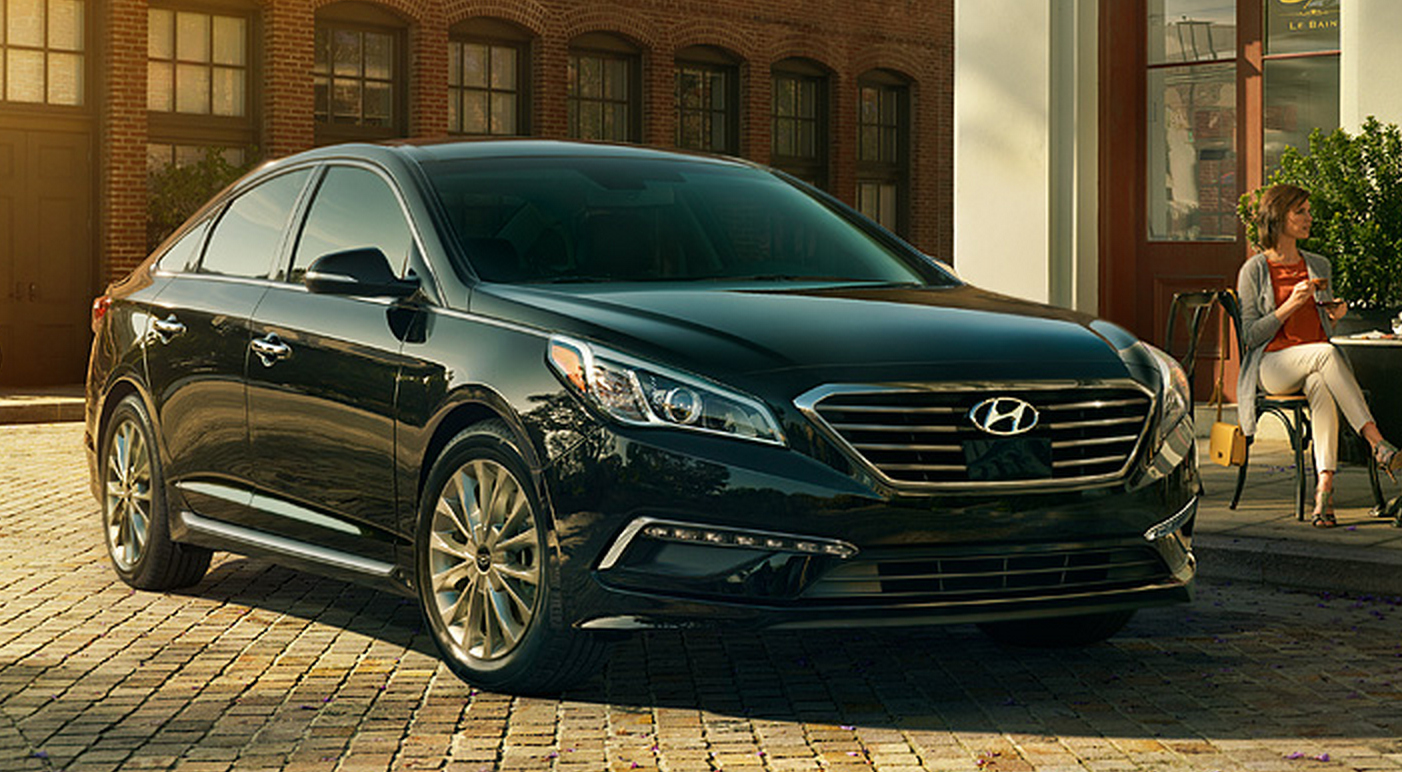
The 2015 Sonata produced by the South Korean manufacturer Hyundai
Korean car brands ranked number one in the survey, averaging 90 PP100, European car brands came in second at 113 PP100, while Japanese and American averaged 114 PP100.
The survey showed that Japanese brands were unable to keep pace with the industry, causing them to drop below the industry average for the first time in 29 years.
Only four out of ten Japanese brands in the study posted an improvement in performance.
J.D. Power vice president Renee Stephens said in a statement:
“This is a clear shift in the quality landscape. For so long, Japanese brands have been viewed by many as the gold standard in vehicle quality. While the Japanese automakers continue to make improvements, we’re seeing other brands, most notably Korean makes, really accelerating the rate of improvement.”
The highest ranking nameplates
Porsche ranked number one for initial quality, with a score of 80 PP100, followed by Kia at 86 PP100, Jaguar at 93 PP100, and Hyundai at 95 PP100.
The worst ranking car brand was Fiat Chrysler Automobiles NV’s Fiat brand with 161 PP100.
Auto industry continues to battle with tech problems
For the third year straight entertainment and connectivity systems was the most “problem-prone area”, topping the problem list.
Vehicles with voice recognition systems, on average, experienced 10 or more PP100 because of the feature.
“Smartphones have set high consumer expectations of how well technology should work, and automakers are struggling to match that success in their new vehicles,” said Stephens.
“However, we are seeing some OEMs make important improvements along the way. What’s clear is that they can’t afford to wait for the next generation of models to launch before making important updates to these systems.”
