
Instagram_Feed

Instagram adopting ‘interest’ based feed, ditching reverse chronological order

Written by Joseph Nordqvist

Published: 02:07, March 17, 2016

Instagram said that it will be reorganising users’ feeds by prioritising posts it thinks users will find the most interesting (based on their interests).

The move means that Instagram will no longer display content in reverse chronological order.

Instagram said that it believes the new Facebook-style feed is the best option for its users:

“You may be surprised to learn that people miss on average 70 percent of their feeds. As Instagram has grown, it’s become harder to keep up with all the photos and videos people share. This means you often don’t see the posts you might care about the most.

“To improve your experience, your feed will soon be ordered to show the moments we believe you will care about the most.”
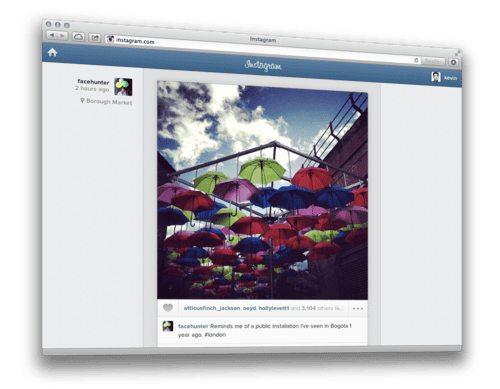
Instagram_Feed

According to Instagram, the order of photos and videos in a feed will be “based on the likelihood” that the user will be interested in the content, their relationship with the person posting and the timeliness of the post – similar to how Facebook displays its users’ timelines.

“As we begin, we’re focusing on optimising the order — all the posts will still be there, just in a different order,” the company said.

Adding:

“If your favorite musician shares a video from last night’s concert, it will be waiting for you when you wake up, no matter how many accounts you follow or what time zone you live in. And when your best friend posts a photo of her new puppy, you won’t miss it.

“We’re going to take time to get this right and listen to your feedback along the way. You’ll see this new experience in the coming months.”

Instagram says that the change will not have a significant impact on advertisers.

A spokesperson was quoted by The Drum as saying that “changes to the feed will not impact ad delivery — frequency and order will stay the same.”

Joseph Nordqvist Avatar

Other News

A digital product passport changed toothbrush valuations in a lab study

Nov 22, 2026

Purchase-linked donations can change direct giving in a small experiment

Nov 22, 2026

Volunteer recruitment emails were followed by more donations in a nonprofit experiment

Nov 22, 2026

Customer-created content was linked to brand perceptions in a survey of Pakistani shoppers

Nov 22, 2026

Shopping games can frustrate customers when rewards and rules are hard to understand

Nov 22, 2026

Text-message business training helped Kenyan entrepreneurs briefly, but gains faded

Nov 22, 2026

Food traceability labels raised stated interest, but ad test found no clear difference

Nov 22, 2026

Letting shoppers keep an item for a partial refund lifted later spending in a field experiment

Nov 22, 2026

Skincare claims that look scientific changed shopping choices in an online experiment

Nov 21, 2026

Crowded settings can make unfamiliar products less appealing in consumer experiments

Nov 21, 2026

Words that describe texture can affect online clothing choices, study finds

Nov 21, 2026

Impact measurement support helped Indian social enterprises grow in a field experiment

Nov 21, 2026

Lyft experiment found a premium ride option shifted some customers to cheaper fares

Nov 21, 2026

Online retailer improved pricing by testing how shoppers respond to rivals

Nov 21, 2026

Environmental reminders reduced return shipments in a fashion retailer experiment

Nov 21, 2026

When a discount is hard to claim, it can reduce sales of the product

Nov 20, 2026

A small step to claim a discount increased redemptions in a coffee campaign

Nov 20, 2026

Ad platforms can target likely buyers without creating the most extra sales

Nov 20, 2026

Sales contests worked better when employees competed in comparable groups

Nov 20, 2026

Social discounts encouraged existing grocery customers to buy more in an experiment

Nov 20, 2026