
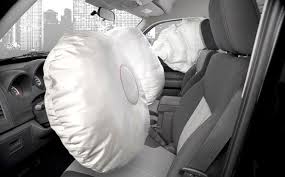
airbag

Takata being sued in the US over dangerous airbags

Written by Joseph Nordqvist

Published: 07:57, October 28, 2014

Takata, the Japanese airbag manufacturer, and various carmakers that use its products, are being sued in the US because of allegations that its cars are unsafe.

Millions of cars have been recalled recently because of dangerous airbags.

The lawsuit makes allegations that Takata, as well as Toyota and Honda, have been hiding the airbag problem from consumers.

The reason the airbags are considered to be ‘dangerous’ is because if they are deployed with too much force they can release deadly shrapnel at passengers.

This has led to more than 30 injuries in the US – directly linked to the airbags produced by Takata.

The case was filed in a US district court in Florida on behalf of consumers across the country. Carmakers named as defendants include Honda and Toyota.

According to Reuters, the lawsuits said that Takata “had a duty to disclose these safety issues because they consistently marketed their vehicles as reliable and safe.”

Car safety regulators across the US are investigating the issue and have issued a recall of vehicles with Takata airbags to nearly 8 million.

Takata believes that approximately 12 million vehicles could be affected worldwide.

Takata chairman and chief executive, Shigehisa Takada, issued an apology regarding the safety of his company’s airbags:

“We deeply regret that the recent recalls of vehicles equipped with our airbags have likely raised significant concerns and troubles to our product users, our customers, shareholders and other stakeholders,” he said in a statement.

Joseph Nordqvist Avatar

Other News

Volunteer recruitment emails were followed by more donations in a nonprofit experiment

Nov 22, 2026

Customer-created content was linked to brand perceptions in a survey of Pakistani shoppers

Nov 22, 2026

Shopping games can frustrate customers when rewards and rules are hard to understand

Nov 22, 2026

Text-message business training helped Kenyan entrepreneurs briefly, but gains faded

Nov 22, 2026

Food traceability labels raised stated interest, but ad test found no clear difference

Nov 22, 2026

Letting shoppers keep an item for a partial refund lifted later spending in a field experiment

Nov 22, 2026

Skincare claims that look scientific changed shopping choices in an online experiment

Nov 21, 2026

Crowded settings can make unfamiliar products less appealing in consumer experiments

Nov 21, 2026

Words that describe texture can affect online clothing choices, study finds

Nov 21, 2026

Impact measurement support helped Indian social enterprises grow in a field experiment

Nov 21, 2026

Lyft experiment found a premium ride option shifted some customers to cheaper fares

Nov 21, 2026

Online retailer improved pricing by testing how shoppers respond to rivals

Nov 21, 2026

Environmental reminders reduced return shipments in a fashion retailer experiment

Nov 21, 2026

When a discount is hard to claim, it can reduce sales of the product

Nov 20, 2026

A small step to claim a discount increased redemptions in a coffee campaign

Nov 20, 2026

Ad platforms can target likely buyers without creating the most extra sales

Nov 20, 2026

Sales contests worked better when employees competed in comparable groups

Nov 20, 2026

Social discounts encouraged existing grocery customers to buy more in an experiment

Nov 20, 2026

Free shipping and returns brought more shoppers back in a retail experiment

Nov 20, 2026

Learning about rivals’ robot use changed Italian firms’ investment plans

Nov 20, 2026