
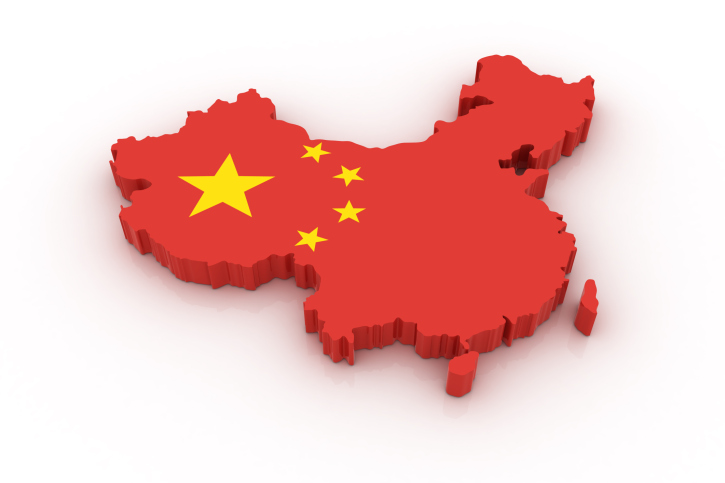
As part of an effort to help boost consumer spending the Chinese government is cutting import tariffs on 187 goods – from an average of 17.3% to 7.7%.
The lower import tax on the goods, which will take effect this December, means that Chinese consumers will spend less on foreign, imported goods, such as food, pharmaceuticals and clothing.
The move will encourage Chinese consumers to spend more at home as opposed to when they are on trips in foreign countries.
For example, tariffs on some special infant milk formulas, a highly sought after product in the country, will be cut from 20 percent to zero.
“This round of cuts concentrates on products in short supply domestically and will provide more choice for domestic consumers and guide the upgrade of domestic supplies,” China’s finance ministry said.
The decision by China to cut import tariffs was welcomed by Scotch whisky producers – they will see import tax cut by half from 10% to 5%.
Rosemary Gallagher, of the Scotch Whisky Association, said that the Chinese market is a growing market for the whisky industry with the tax cuts promising continued growth in the region.
Gallagher was quoted by the BBC as saying:
“In the first six months of 2017, demand for Scotch in China jumped as the economy grew, with direct exports alone up 45% to £27m.
“A cut in tariffs will give another welcome boost to Scotch and should encourage the premium Scotch whisky market to continue to expand,” she said.
Doug Lippoldt, chief trade economist at HSBC, told the BBC:
“The reduction of import tariffs on clothing, dairy products, food and other consumer items mean domestic suppliers will have to become more competitive, which will benefit the Chinese economy and consumers in the long run.
“It would also help Chinese manufacturers if the government looked at the liberalisation of services, such as accountancy, telecoms and IT.
“I think trade partners in advanced economies will see this as a step in the right direction.”
