
Most first-timers picture Bali as one long beach with a few temples inland, and assume they can hop between the two whenever the mood strikes. The island doesn’t work like that. Ubud and Seminyak sit on opposite sides of a crowded middle, and the base you pick will shape almost every day of your trip.
The short answer: who should pick which?
Choose Ubud if your idea of a good Bali morning is a walk through wet rice paddies, followed by a temple and an early night with frogs for a soundtrack. Choose Seminyak if you want sand under your feet at sunset and a dinner booking at nine, with a dance floor afterwards if the mood strikes. Couples and solo travellers chasing culture lean Ubud. Friends on a celebration trip lean Seminyak.
|
Ubud |
Seminyak |
|
|
Best for |
Culture and nature walks |
Beach and dining |
|
Evenings |
Quiet, early |
Bars, clubs, late dinners |
|
Signature activity |
Rice field hikes and cycling |
Sunset on a walkable beachfront |
|
Shopping |
Craft workshops and small shops |
Designer boutiques |
|
Beach access |
None nearby |
On your doorstep |
Ubud for culture and rice terraces
Ubud is widely regarded as Bali’s cultural centre and its artistic capital, and you feel that within an hour of arriving. There are several museums in and around town, plus a scatter of informal workshops where you can watch carvers and painters, or sign up for a class yourself. The retail is craft-heavy, so this is the place for a woven bag or a small painting rather than a designer dress. Then there’s the Monkey Forest, with its temples and crab-eating macaques. It’s busy and the monkeys are bold, so keep sunglasses secure and follow the sanctuary’s rules. Do not feed or touch the animals.
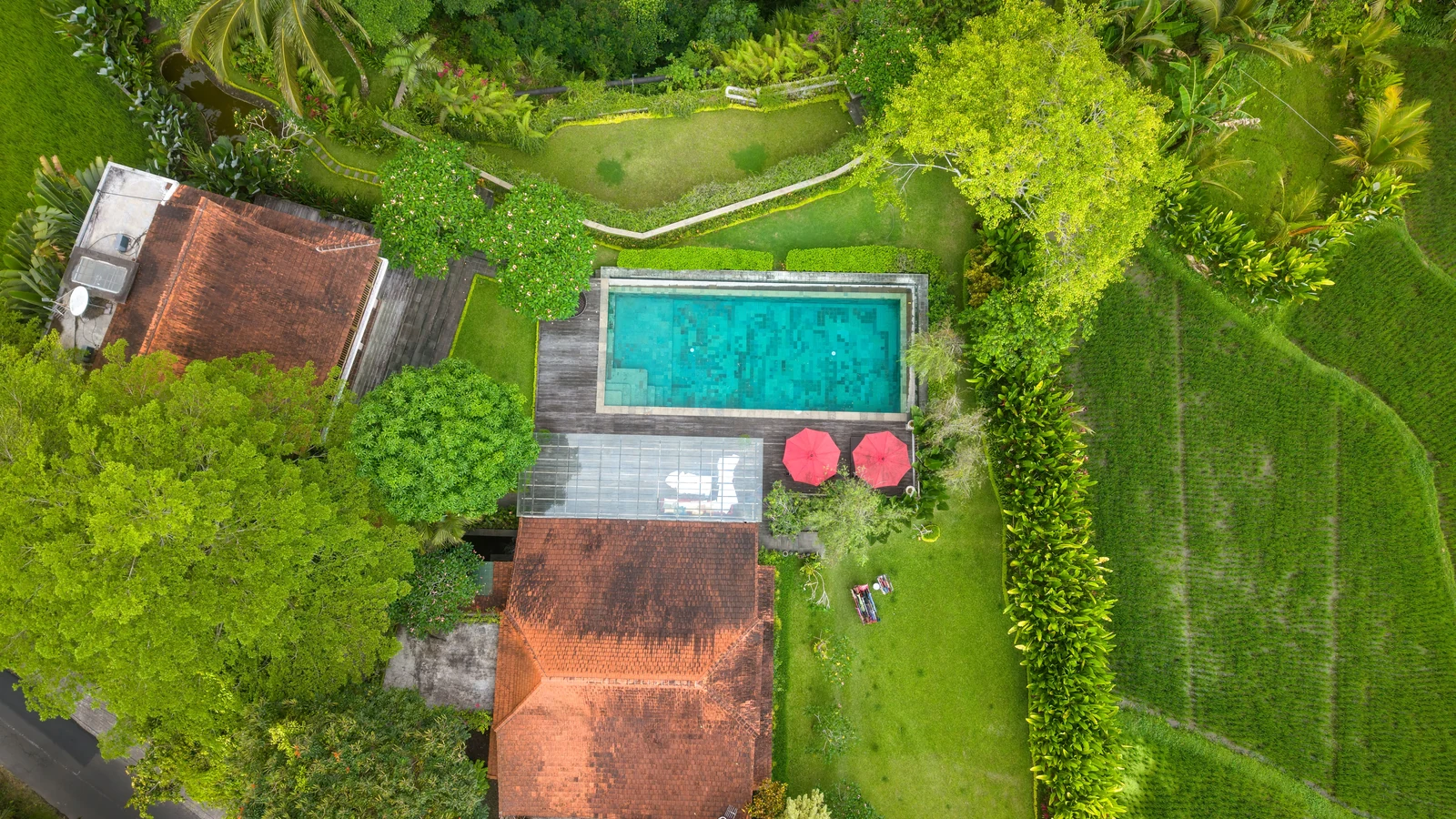
The landscape is the bigger draw. Hiking in the rice fields near Ubud is easy to arrange, and e-bike rides through Mambal in South Ubud let you cover village lanes without arriving drenched in sweat. Mountain cycling is on offer too. The most beautiful terraced paddies lie in the centre of the island north of Ubud, a good half-day outing. If you’d like those terraces and a Mambal ride arranged around a private driver and guide, Indonesia luxury tours piece the days together thoughtfully, with pickups from your villa and an easy pace between stops. You come back each afternoon with time to swim before dinner.
Seminyak for beach and restaurants
Seminyak sits just north of Legian and is quieter and more upscale than Kuta, its louder neighbour. Beachside resorts and villas line the area, and the beachfront is wide and walkable, with cafes and bars spaced along it so a sunset stroll easily turns into a drink.
Food is where Seminyak shines. Fashionable restaurants and dance clubs cluster close together, which means you can eat well and go out without a long ride home. Shoppers should start on Jalan Laksmana, where a growing number of chic boutiques sell clothing and homewares.
You won’t be stuck on a sun lounger either. There are activities beyond the beach, including yoga and day trips. Some of Bali’s best yoga centres are here too, which surprises people who expect only party hotels.
How do you get there from the airport?
Seminyak is the easier landing, much closer to the airport, so you can be in the pool on arrival day without much fuss.
Ubud takes more effort. Public transport can involve a change, and fares and journey times can vary, so check current routes and schedules before travelling. A pre-booked driver is another option after a long-haul flight.
Once you’re settled, Seminyak’s beach and main streets are easy on foot. Central Ubud is walkable too, though the best rice field walks and cycling routes need a driver or a guided pickup.
Traffic and rainy-season trade-offs
Traffic jams are common across Bali all year, and on some stretches walking beats a taxi. It’s felt most if you base yourself in one town and plan to day-trip to the other: a Seminyak stay with "a quick visit to Ubud" can eat most of a day in the car. Leave early, and group sights by area so you aren’t crossing the island twice.
In the wet season, heavy downpours slow the roads further and make long transfers less pleasant, so plan fewer day trips and more time where you are.
Which base suits the time of year?
The dry months, roughly April to October, suit both towns, which is when a split stay works best.
Beach days in Seminyak are dependable and the paddy hikes around Ubud are at their most comfortable. From about November to March, think about what still works in the rain. Ubud holds up well: museums and workshops are pleasant under grey skies, and so is a long lunch overlooking dripping green fields. Seminyak leans harder on its beach and outdoor bars, so a run of wet afternoons shrinks its appeal, although the restaurants and boutiques stay busy.
Splitting your stay, and the verdict
If you have a week or more, split it. Go to Ubud first while you’re fresh and up early with jet lag, which suits sunrise walks, then finish in Seminyak, close to the airport, for beach time and a final big dinner. Three or four nights in each is a comfortable rhythm.
With only a few days, pick one. For most first-timers that should be Ubud, because the culture and landscape are what make Bali feel unlike anywhere else.
Go straight to Seminyak if the beach and the restaurants are the reason you booked the flight.
Is Ubud too far from the beach for a day trip?
It’s doable, but the traffic makes it a long day for a short swim. If beach time matters, a few nights near the coast is a better use of your trip.
Is Seminyak good for families?
Yes, especially for families who want resort pools and easy dinners nearby. Choose a villa or resort a little back from the club strip for quieter nights.
Do I need to rent a scooter?
No: a driver for day trips plus walking around your base covers a first visit comfortably, and it spares you from driving on busy roads you don’t know.

