
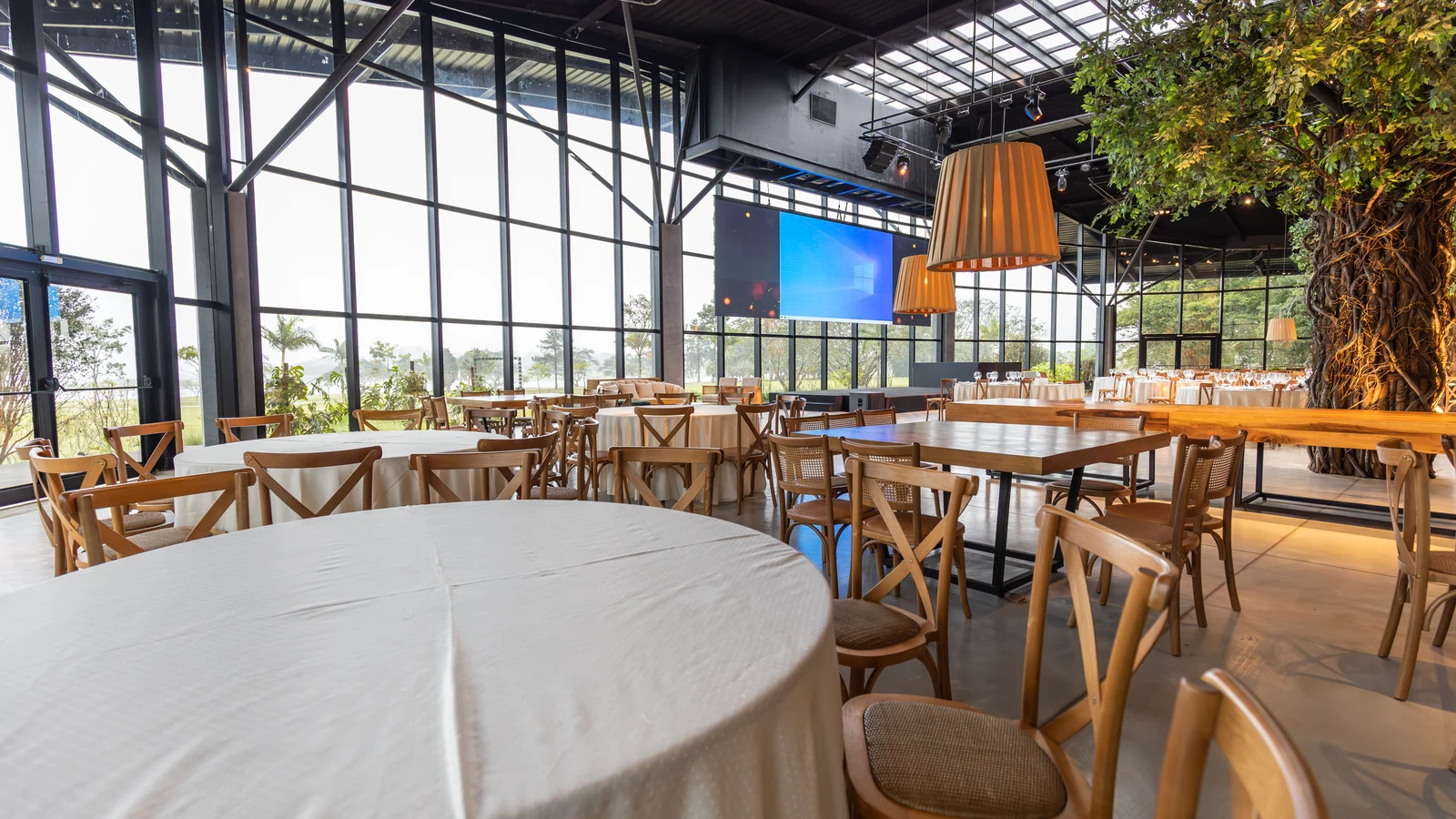
Executive and shareholder events need a caterer that delivers precise timing, discreet service, and a polished menu that never competes with the agenda.
These gatherings are built around decisions, presentations, and relationships, so the food has to support the room without pulling attention from it. Strong executive event catering in NYC means the meal arrives when the schedule says it should, guests are served quietly, and every detail reflects the standing of the company hosting.
Why Is Executive Event Catering in NYC Different From Standard Corporate Catering?
The audience is different, and so are the stakes. Board members, investors, senior leaders, and key clients notice everything, from how the coffee is served to how smoothly a break transitions back into a session. A delay or a misstep can reflect on the host in a way it would not at a routine internal meeting.
These events also run on tight agendas. A shareholder meeting may include a formal vote, a financial presentation, and a networking reception, all within a fixed window. Catering has to fit inside that structure, not around it. That is why experienced teams plan service as part of the program itself, working from the run of show rather than simply delivering food to a room.
How Should Catering Fit Around the Agenda?
The best approach is to build the food timeline from the agenda outward. Start with the moments that cannot move, such as a keynote, a vote, or a scheduled announcement. Then place service in the gaps, so guests are never eating during a critical presentation and never waiting too long for a break.
Before the Meeting Begins
Arrival is the first impression. A refined breakfast or a light welcome reception gives attendees a chance to settle in and speak with one another before the formal session starts. Service should be set up early and quietly, so the room feels ready as the first guests walk in.
During the Program
If the meeting runs through a meal, the format matters. Plated service keeps things orderly and formal. Lighter working lunches can keep a long session moving. Either way, staff should move with minimal noise, clear plates between speakers, and stay out of sightlines during presentations.
After the Close
Many executive events end with a reception or dinner that lets guests continue conversations in a relaxed setting. This is often where relationships are strengthened, so the menu and service should feel generous and unhurried, with enough variety to suit a wide mix of tastes and dietary needs.
What Does Discreet Service Actually Look Like?
Discretion is a skill. It means servers who know when to approach and when to wait, a team that communicates quietly through a lead on site, and a setup that keeps the back-of-house activity out of view. It also means respecting the confidential nature of many executive gatherings. Staff should be briefed on the importance of the event and understand that the work happening in the room is private.
Good service also anticipates needs. Water glasses are refilled before they are empty. Dietary meals arrive without announcement. Coffee and tea stations are replenished between sessions, not during them. These small details are what guests remember as professionalism.
What Kind of Menu Works Best for Executive Guests?
A menu for senior leaders should feel considered, seasonal, and easy to enjoy. Dishes that are elegant but approachable tend to work best, because guests are often eating while engaged in conversation or reviewing material. Overly complex plates can become a distraction, and heavy courses can make a long afternoon session harder to sit through.
Balance is the goal. Lighter, fresh options keep energy up during the day, while a more refined dinner can mark the end of the formal program. Dietary needs should be handled with care, since a large executive guest list will almost always include vegetarian, vegan, gluten-free, and allergy-related requests. A well-run team gathers these details early and confirms them again before the event.
How Does Venue Choice Affect the Catering Plan?
Executive events in New York happen in a wide range of places, from boardrooms and private dining rooms to ballrooms, galleries, and hotel meeting spaces. Each setting changes what is possible. Some have full kitchens on site, while others require food to be finished in a limited staging area. Load-in windows, elevator access, and building rules all affect how service can be delivered.
A caterer who knows New York venues well will visit the space ahead of time, review the floor plan, and build the service flow around the room. This planning is especially important for events with a large guest count, where a single bottleneck can slow the entire meal. Cloud Catering has been planning around these realities since 2011, which is why early venue walkthroughs are such a valuable part of any executive event.
What Questions Should Hosts Ask a Caterer Before Booking?
Start with experience. Ask how often the team serves executive audiences and what sets that work apart from other events. Ask who will lead the team on site and how they coordinate with your planner or venue manager. Ask how the caterer handles last-minute changes to the schedule or guest count, because these shifts are common at senior-level events.
It also helps to ask how the team protects the flow of the agenda. A confident caterer will describe how they time service, signal staff, and adjust if a session runs long. Their answers should be specific and unhurried. If the response is vague, the planning behind it probably is as well.
How Early Should You Book Executive Event Catering in NYC?
As soon as the date and location are confirmed. Executive calendars often lock in months ahead, and the best caterers book quickly during peak periods such as the end of the quarter, annual meeting season, and the holiday months.
Early planning gives you time to refine the menu, review the agenda together, and walk through the venue without pressure. It also gives the caterer room to staff the event with the experienced team it deserves. For executive event catering in NYC, a few extra weeks of lead time often makes the difference between a good event and a seamless one.
Final Thoughts
An executive or shareholder event succeeds when the logistics disappear. Guests should leave remembering the conversations, the decisions, and the company that hosted them, not the pacing of the meal.
Choosing a caterer that understands precise timing, discreet service, and the weight of a senior audience is one of the most effective ways to protect that experience. When catering is planned alongside the agenda, it becomes a quiet strength of the event instead of a variable to manage.

