
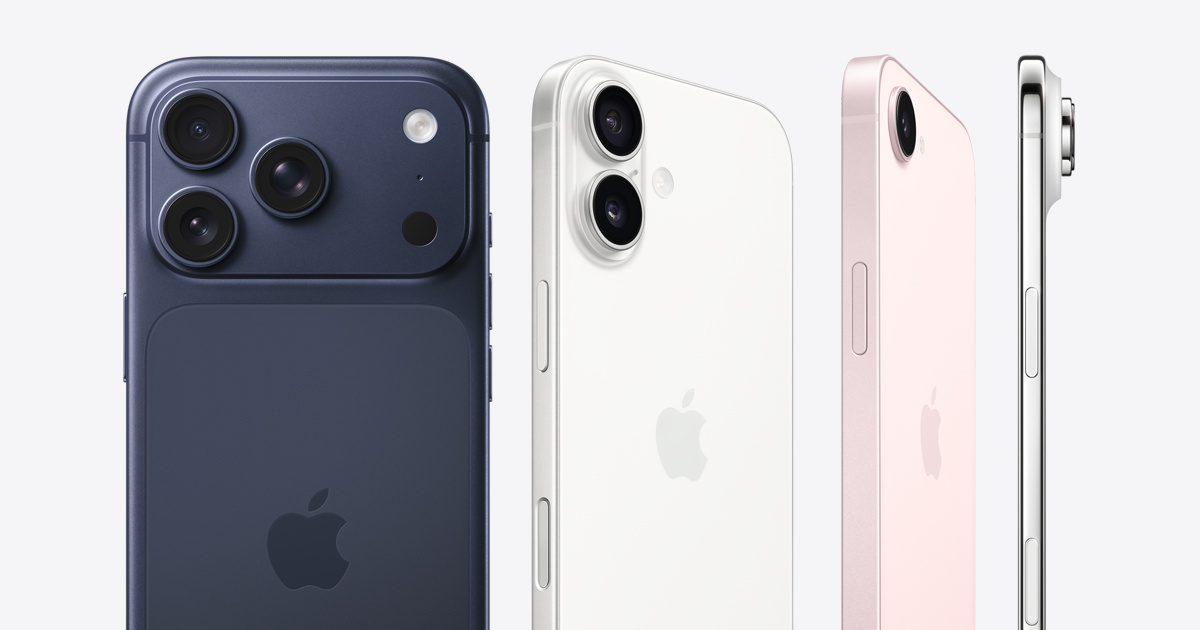
Apple Inc., the giant multinational technology company, has just increased the prices of many of its products. The company, which blames soaring memory and storage chip costs, says that the latest price increases are unavoidable. According to industry experts, AI data-center demand is driving the component price surge.
According to Apple, it can no longer shield its customers from the price increases.
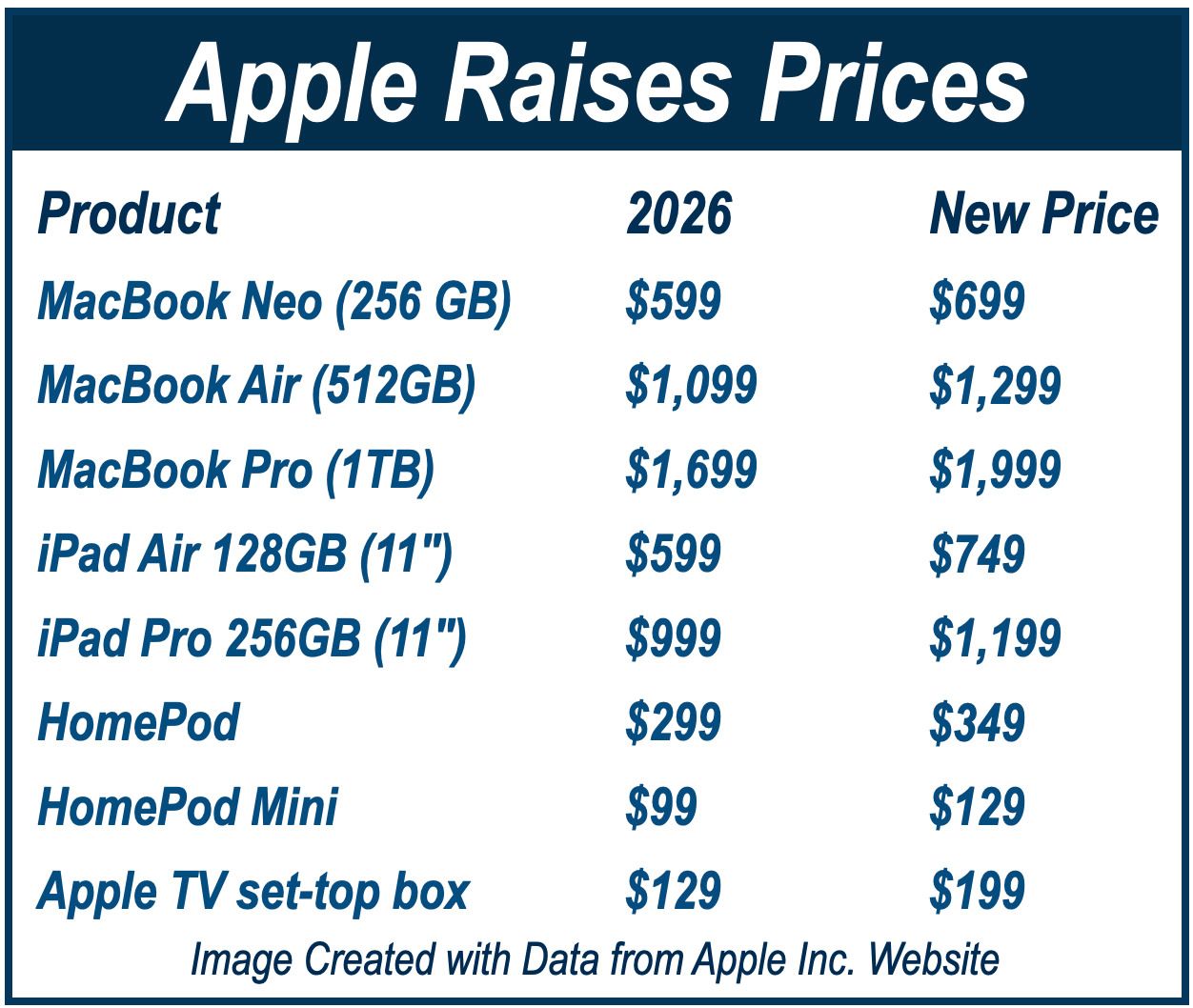
The MacBook Neo rose from $599 to $699 (16.7%), while the MacBook Air increased by 18.2%, the MacBook Pro 17.7%, and the iPad Air 25.0%. Apple also raised prices on HomePod speakers and Apple TV devices. The company, which had previously warned about price increases, said the iPhone is not affected for the moment.
Tim Cook, Chief Executive Officer (CEO) of Apple, said that the company’s latest pricing changes were unavoidable. “We’re doing our best to mitigate the huge increases that are being passed to us, and we’ve been trying to shield our customers from the increases, but the situation has become unsustainable,” he said.
AI Companies Prioritized
Makers of memory chips are giving top priority to their biggest customers, which include artificial intelligence (AI) companies that are investing huge sums of money in new data centers. These customers, which spend billions of dollars on memory chips, are more profitable for chip makers than producers of personal computers, tablets, and smartphones.
Put simply, data centers are competing with consumer electronics manufacturers for memory chips, and data centers are currently at the front of the queue.
DRAM prices surged sharply during the first quarter of 2026. DRAM (Dynamic Random Access Memory) refers to a type of memory that temporarily stores data that processors need to run applications rapidly and efficiently.
Market specialists forecast further memory price rises this year, as well as shortages of the components used in computers, smartphones, tablets, and AI servers. Many analysts have nicknamed the expected shortage “RAMageddon”.
Apple Share Price and Chip-Cost Concerns
Apple shares (NASDAQ: AAPL) fell by almost 5% on Thursday, June 25, and rebounded by 3.1% on the following day. The initial sharp drop reflected investors’ chip-cost concerns.
Investors fear that persistently higher memory chip costs could reduce the company’s profit margins if it is unable to pass the extra costs on to consumers.
Industry analysts believe that competitors may face even steeper price increases because Apple tends to have stronger supply-chain leverage than its rivals. Apple is one of the world’s largest buyers of electronic components, including memory chips, which allows it to negotiate better prices and secure supplies more easily than smaller companies.
Chip Costs and Demand for Electronic Products
If electronic device makers increasingly pass costs to consumers, will smartphone and PC demand weaken further? Are we beginning to see AI’s broader inflationary impact?
According to industry analysts, although iPhone prices have not been affected, they will probably increase at a later date. Apple may be waiting for its launch season before raising prices.
If shortages of memory chips persist and AI demand continues to outpace supply, prices of electronic products may keep rising well beyond this year.
