
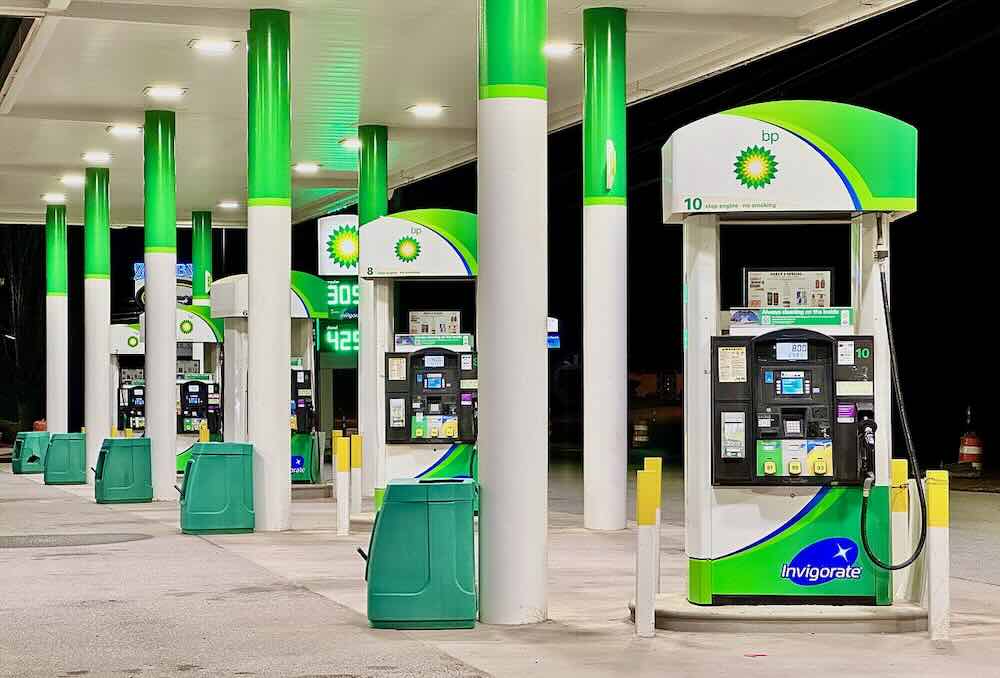
4,700 Staff and 3,000 Contractor Roles to Be Eliminated
BP, one of the world’s ten largest oil and gas companies, announced that it plans to reduce its workforce by about 4,700, which is more than 5% of its total staff.
Approximately 3,000 contractor positions will also be eliminated. The term ‘contractor positions’ refers to temporary or outsourced roles that are not part of BP’s permanent workforce.
BP aims to streamline operations and adapt to changing market conditions, which have increased financial pressures on the company.
The cuts will take place globally, BP said in a statement. Office-based roles will be primarily affected, while operational staff, such as individuals working at service stations, will remain largely unaffected.
Murray Auchincloss, who has been BP’s CEO since January 2024, highlighted the company’s dedication to assisting affected employees and acknowledged the difficulties these changes present.
Focus on Simplification and Efficiency
The job cuts are part of a multi-year effort to simplify BP’s structure and focus on its most valuable business opportunities.
The company has halted or paused many projects – thirty so far – and shifted some operations to Hungary, India, Malaysia, and other cost-efficient locations.
For BP to become a “simpler, more focused, higher-value company,” these changes are crucial, Auchincloss explained.
Digital transformation also plays a key role in BP’s strategy. ‘Digital transformation’ refers to the process of integrating digital technologies such as artificial intelligence (AI), automation, cloud computing, and data analytics to streamline processes.
Increased use of AI in marketing, engineering, and other areas is expected to boost efficiency and reduce reliance on traditional roles.

Cost-Cutting Targets and Strategic Shifts
Auchincloss said that his company aims to save $500 million this year and at least $2 billion by the end of 2026. He wants to shift the focus back to traditional oil and gas operations and scale back investments in renewables. The term ‘renewables’ or ‘renewable energy’ refers to energy sources like solar, wind, hydroelectric, tidal, and biomass energy. These sources never deplete (never run out), they are naturally replenished.
Environmentalists, policymakers, industry analysts, and many members of the public have criticized BP’s new priorities. However, the company argues that it is necessary to boost shareholder confidence and improve its underperforming stock, which has lagged behind competitors such as Shell and ExxonMobil.
Broader Implications for BP and the Energy Sector
The announcement highlights broader challenges within the energy sector as companies navigate the transition to cleaner energy while maintaining profitability.
BP, along with other oil & gas companies, must balance its sustainability goals with shareholder expectations. Focusing on traditional oil and gas projects is more likely to satisfy shareholders.
While these cuts bring uncertainty for employees and contractors, for BP they represent a necessary step toward addressing market concerns and optimizing its chances of future growth.
This major restructuring marks a turning point for the company as it tries to regain investor confidence, while at the same time adapting to a rapidly evolving energy landscape.
How effectively BP can balance its cost-cutting goals with its long-term ambitions remains to be seen.
