
Osborne vows to sell remaining government stake in Lloyds Bank

Written by Joseph Nordqvist

Published: 01:21, April 19, 2015

George Osborne announced on Sunday that he plans on selling billions of pounds worth of Lloyds shares if the Conservative party wins the UK general election.

In the midst of the 2008-2009 financial crisis the UK government, under Labour, pumped over 20 £billion of public money into Lloyds to prevent it from failing. Since then nearly half of the government’s stake has been sold to investors.

Osborne’s plan involves selling off all of the Government’s remaining stake in Lloyds.
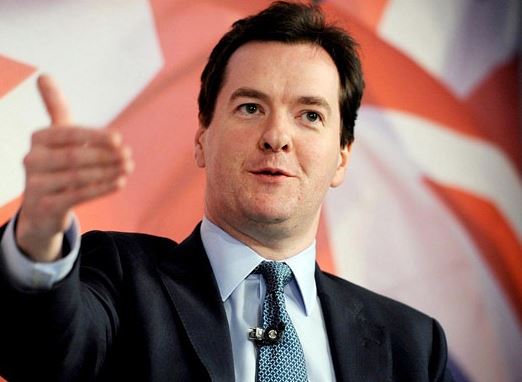
George Osborne

Osborne wrote in the Sunday Telegraph newspaper:

“Not only are we getting taxpayers their money back, we are going to do it in a way that gives many more people a stake in our economy and encourages a culture of long-term share ownership,”

Mr Cameron said:

“The £20bn bail-out of Lloyds bank by the last Labour government became a symbol of the crisis that engulfed the British economy under Labour.

“After the public bailed it out, people feared they wouldn’t see their money returned. Today they are.

“Today’s announcement marks another step in the long journey we have been making repairing our banks, turning our economy around and reducing our national debt, only made possible by our long-term economic plan.”


He added:

“That’s why it is so important that we don’t put all that progress at risk, but instead build on what we’ve done so we can deliver a brighter, more secure future for our country.”

Under the plan shared of Lloyds will be sold at a price of at least 73.6 pence (the price paid per share when it was bailed out). The proceeds of the sale will be used to cut the UK’s national debt.


Joseph Nordqvist Avatar

Other News

How IBM expanded marketing experiments by changing who could run them

Nov 24, 2026

Grocery discounts do not lift every brand’s sales equally, study finds

Nov 24, 2026

A low upfront price can obscure the cost of refills, study finds

Nov 24, 2026

How medical device startups describe their products may affect clearance times

Nov 23, 2026

Why cheaper grocery products can face faster inflation when costs rise

Nov 23, 2026

One office day a month was followed by more calls handled in a remote-work experiment

Nov 23, 2026

An AI shopping assistant increased sales in a livestream experiment

Nov 23, 2026

Starting an idea without AI changed employees’ sense of ownership in an H&M test

Nov 23, 2026

Showing the extra cost of a larger pack changed buying choices in an online test

Nov 23, 2026

Looking at products together can help identify competitors, camera study finds

Nov 23, 2026

Removing unauthorized book copies produced an uncertain sales result in a field experiment

Nov 23, 2026

Warnings did not consistently undo the influence of product lineups

Nov 23, 2026

Demographic ad targeting can change how fairly consumers view a brand

Nov 22, 2026

Matching online and store prices had mixed effects at one electronics retailer

Nov 22, 2026

Meal-kit displays showed no clear sales lift for plant-based products in Belgian stores

Nov 22, 2026

High switching costs weakened price competition in a laboratory market

Nov 22, 2026

A digital product passport changed toothbrush valuations in a lab study

Nov 22, 2026

Purchase-linked donations can change direct giving in a small experiment

Nov 22, 2026

Volunteer recruitment emails were followed by more donations in a nonprofit experiment

Nov 22, 2026

Customer-created content was linked to brand perceptions in a survey of Pakistani shoppers

Nov 22, 2026