
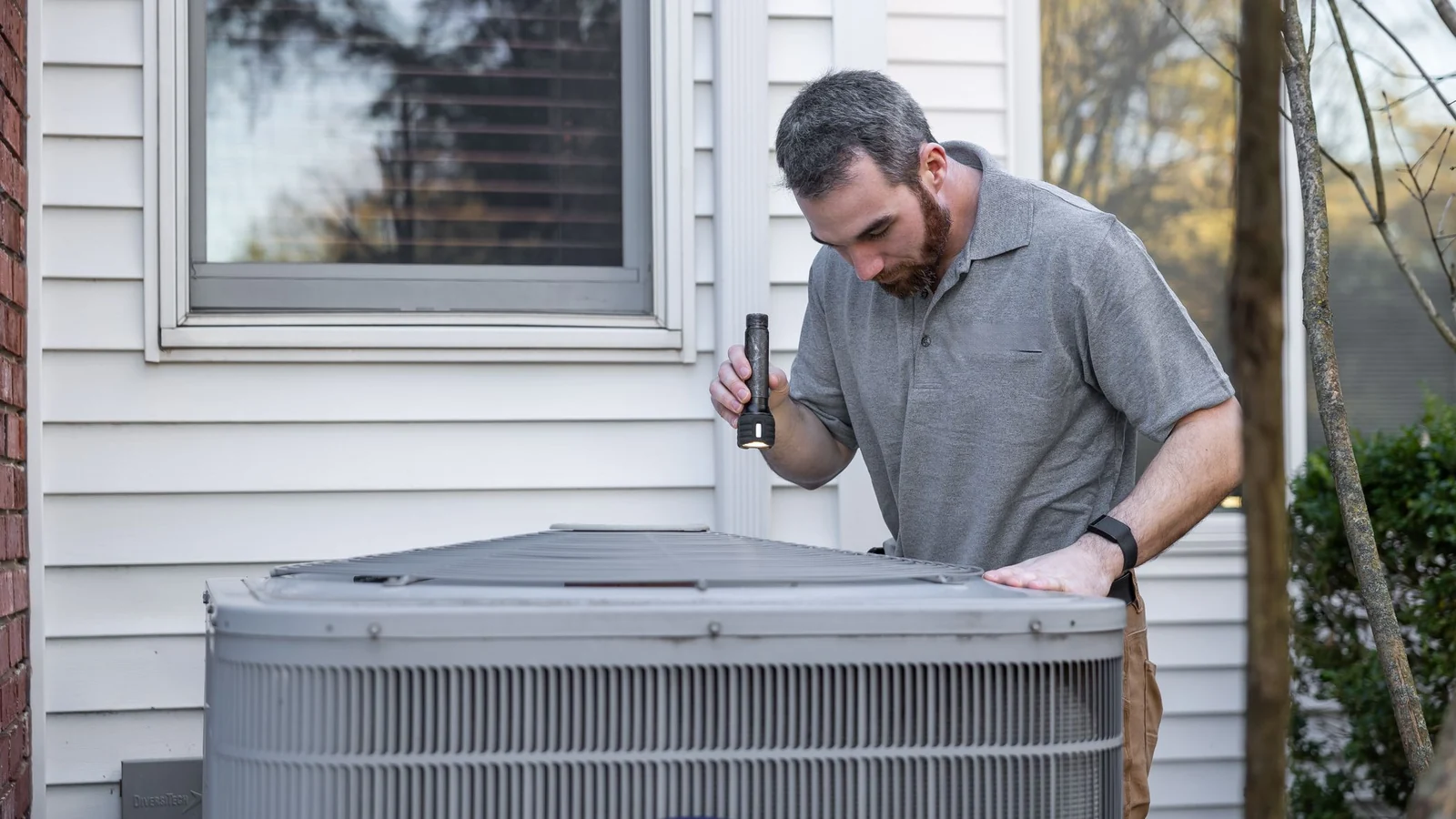
Imagine it is 9:40 p.m. on the first cold night of the season. A homeowner’s furnace is blowing cold air. An AI answers the HVAC company’s phone, takes her details and books a morning appointment.
That is a useful start. But was it booked as a heating repair or a routine tune-up? Did the customer understand the diagnostic fee? Could the assigned technician handle the system? A booking counter cannot answer those questions.
For an HVAC owner, the test is whether the call led to appropriate, completed work and a collected payment, without creating avoidable problems for the office or customer. Five checks help reveal where that process holds up, and where it breaks.
1. Did it collect the right information?
A technician needs more than a name and address. Useful intake includes the equipment and fuel type, the customer’s description of the problem, access instructions and any relevant service history. Age and brand can help when the caller knows them. Missing optional details should not prevent a sensible booking.
Review a manageable sample of calls each week and ask the technicians which missing details caused extra phone calls or wasted visits. Repeated omissions suggest a question or setting needs attention. A transcript that looks complete is less useful if the information never reaches the person doing the work.
This is where connecting call answering with job management can help. Workiz, a platform for managing field service businesses, brings customer records, scheduling, dispatch and invoicing together. Its Genius Answering assistant can ask questions set by the business and save mapped answers with a new job or enquiry. That helps the office keep the customer’s details and booking together, reducing the need to copy notes from a separate answering service.
2. Did the booking match the customer’s need?
If a customer’s heating isn’t working, they need an appointment with a technician who can fix it. If a customer wants a new heating system, they may need a longer appointment with someone who can explain the options. But an old furnace doesn’t mean they want to replace it. They may just want it fixed.
Check the job type, service area, technician requirements and time allowed. Confirm that the AI explains the business’s agreed diagnostic or trip fee before completing a booking. Then record why dispatchers change appointments. Moving a visit because a technician is ill is different from correcting a job the AI misunderstood.
In Workiz, Genius Answering can assign jobs using selected technicians’ availability, skills and service areas when automatic assignment is enabled. Appointments are unassigned by default, so the owner decides whether the AI assigns a technician or leaves that step to the office. This can reduce manual scheduling while keeping control over who receives new work.
Avoca, an AI answering service for home-service businesses, connects with ServiceTitan to check current booking capacity and add jobs directly to the system. Both approaches depend on accurate booking rules: check which services can be booked, how much time they need and whether the offered slots reflect real availability.
3. Did the visit become completed work?
Follow bookings through cancellations, reschedules and completed visits. If customers cancel after learning about a fee, review what was said on the call. If technicians keep discovering that a booked service is outside the company’s scope, revisit the intake and booking rules.
Keep those problems separate from parts delays, staffing shortages and customers changing their minds. An AI can make a suitable appointment that still takes time to complete. It can also handle an enquiry correctly without booking anything, such as a request outside the service area.
Being able to identify AI-booked jobs makes this review easier. ServiceTitan’s own AI Voice Agent adds a “Voice Agent” tag to the jobs it books, so staff can find them and check what happened next. Workiz’s Genius Answering dashboard also shows a “Recent win” once an AI-booked job is marked as done. These tools help the office connect the original call with the outcome, but staff still need to check why jobs were cancelled or left unfinished.
Check what each dashboard calls a “conversion,” too. Workiz includes actions such as taking a message or transferring a call in that metric. Those actions can be useful without producing a new, completed job.
4. Was the invoice collected? And was the job worthwhile?
Review invoice amounts, unpaid balances and time to payment. Compare similar work: a small repair should not be judged against a replacement installation. A lower average invoice does not, by itself, show that the AI missed a sales opportunity.
Keeping payment tools alongside job records can make this check easier. Workiz Pay lets customers pay invoices online or technicians take payment in person, helping the office follow the job through to the bill and collection. ServiceTitan’s AI Voice Agent can also send a payment link to callers asking to pay an outstanding invoice, when its payment feature and ST Payments are enabled.
Neither feature makes a booking or invoice total proof of payment. Check the payment record and unpaid balance, and give similar jobs the same amount of time to finish and pay before comparing results.
The financial question also includes costs. Extra completed jobs may be valuable even if they produce smaller invoices. But subscription and usage fees, time spent correcting bookings and unnecessary visits all affect whether the service earns its place.
5. Could the customer reach a person when needed?
Some callers will need to speak to a person. They may have a warranty complaint, a request the AI doesn’t understand, or simply prefer talking to someone. Decide who takes these calls and what happens if no one answers.
Make a clear distinction between transferring a call straight to someone and taking a message for a callback. The employee should have the caller’s details and know why they called. If a callback is promised, make sure it happens.
Genius Answering supports live transfers to the Workiz user’s team when configured. Avoca also describes a program staffed by human customer service representatives for calls that need escalation. These are different arrangements: confirm who answers overnight, what information they receive and what happens if they cannot help. Test the route before relying on it.
Emergencies need different instructions. Someone reporting a gas smell or a carbon monoxide alarm should not wait for an HVAC technician to call back. U.S. safety guidance says to leave the building immediately and call 911 from a safe location. The AI should give these instructions straight away.
Expert Tip: Start With a 30-Day Review
Use the first month as an initial audit. Identify which enquiries the AI handled, which it booked and which reached a person. Compare similar job types and service areas, and distinguish daytime calls from after-hours demand.
Check completion, cancellations, invoice amounts and collection time, alongside how often staff correct a booking. Follow the same booked jobs long enough for the work and payment to happen. A recent unpaid invoice is not automatically a failed outcome.
Listen to a sample of unbooked calls as well: some may be lost opportunities, while others were correctly declined or handed over. Fix serious errors immediately. For routine changes, record what changed and when so later results are easier to interpret.
Thirty days can expose recurring problems, but a small number of calls cannot establish a reliable performance rate. Continue the review as jobs mature, and repeat it during peak demand. Even calls from the same month can differ enough that a performance gap needs investigation before being blamed on AI.
What Should the Owner Do With the Results?
The products discussed can help at different points in that process. Workiz connects call details, bookings and invoices, with Genius Answering able to assign suitable technicians when configured. Avoca connects AI answering with an existing ServiceTitan schedule and offers human backup for calls that need it. ServiceTitan’s own AI Voice Agent helps identify AI-booked jobs for review and can send payment links when its payment features are enabled.
Those features give the office ways to book work, follow it through and step in when needed. The owner still needs to check the results: are suitable jobs being completed and paid, are staff correcting fewer mistakes, and does the extra work cover the service’s cost?
Think back to the homeowner whose heating stopped working. If the right technician arrived with the right information, the customer understood the fee, the heating was fixed and the bill was paid, the call became a successful job. The AI picking up was the start. The completed work, collected payment and cost of getting there tell the owner whether the business actually won the job.
